Belgium road trip guide: scenic Belgian routes
A Belgium road trip is an easy way to turn a Channel crossing into a proper long weekend away.
From Calais, you can be in Flanders within a couple of hours, head south into the wooded roads of the Ardennes or follow the coast towards quieter seaside towns. It is compact enough to explore without packing every day with huge mileage, but varied enough to give you historic cities, forest roads, river valleys and plenty of worthwhile stops.
For drivers coming from the UK, Belgium works particularly well as a first European road trip. Pick one or two bases, leave room for a slower lunch or an evening in a town you want to explore and let the smaller roads do the rest.
For wider route ideas, see our best European road trips.
Why Belgium rewards a detour off the ferry
Belgium is close to the Channel, but it feels different quickly.
The flatter roads of Flanders are easy to reach from Calais, while the Ardennes bring a more varied drive further south, with forests, hills and valleys replacing open farmland. You can build a two-day trip around one area or give yourself three to four days to combine a city stop with a few quieter roads.
It is a good option when you want the drive to be part of the weekend without spending the whole first day on the motorway. Use the faster roads for the longer links, then head onto the smaller routes between towns, villages and overnight stops.
If you are planning to combine Belgium with northern France, see our Northern France road trip guide for ideas.
The Ardennes: forests, hills and Spa-Francorchamps country
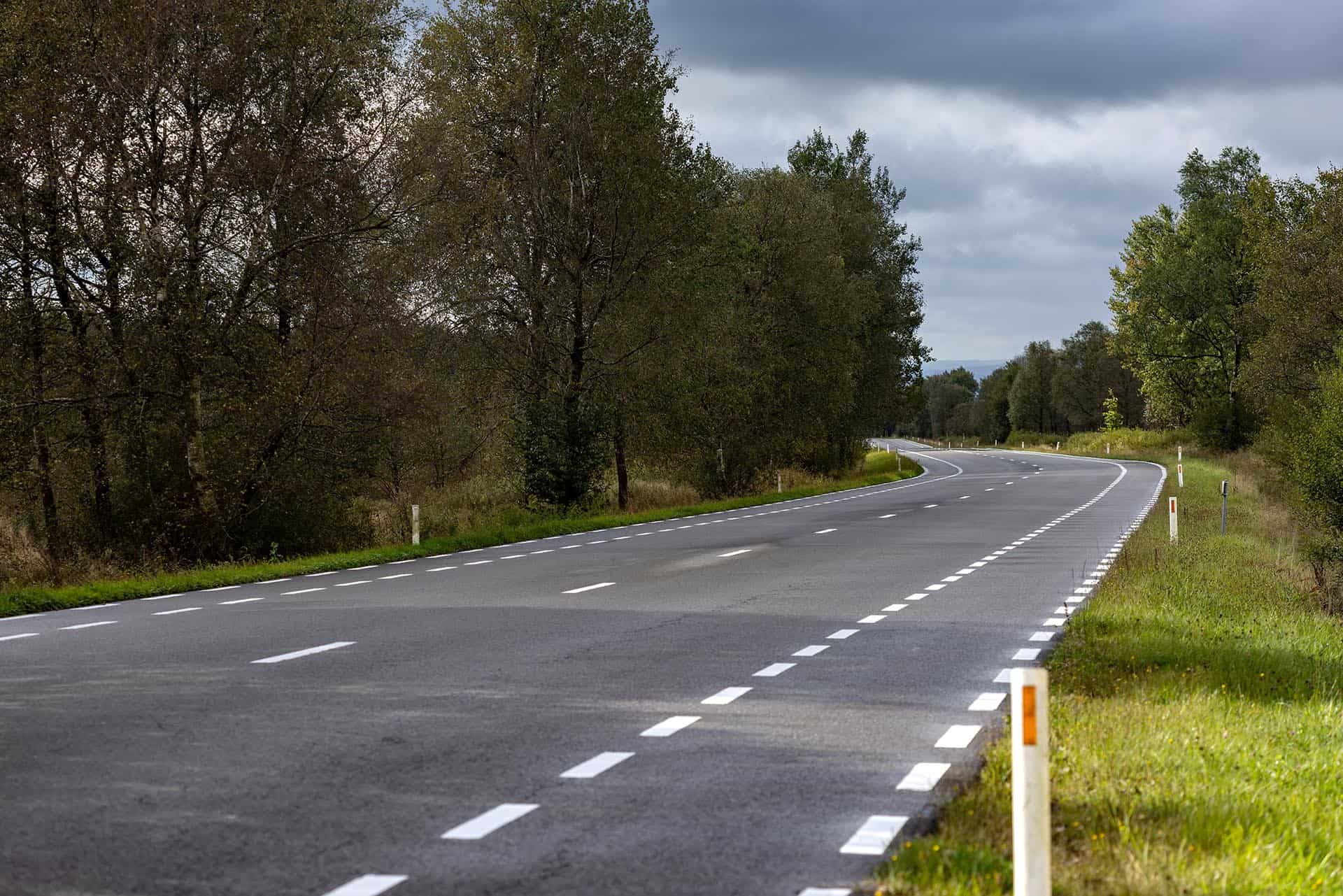
The Ardennes are the driving highlight of a Belgium road trip.
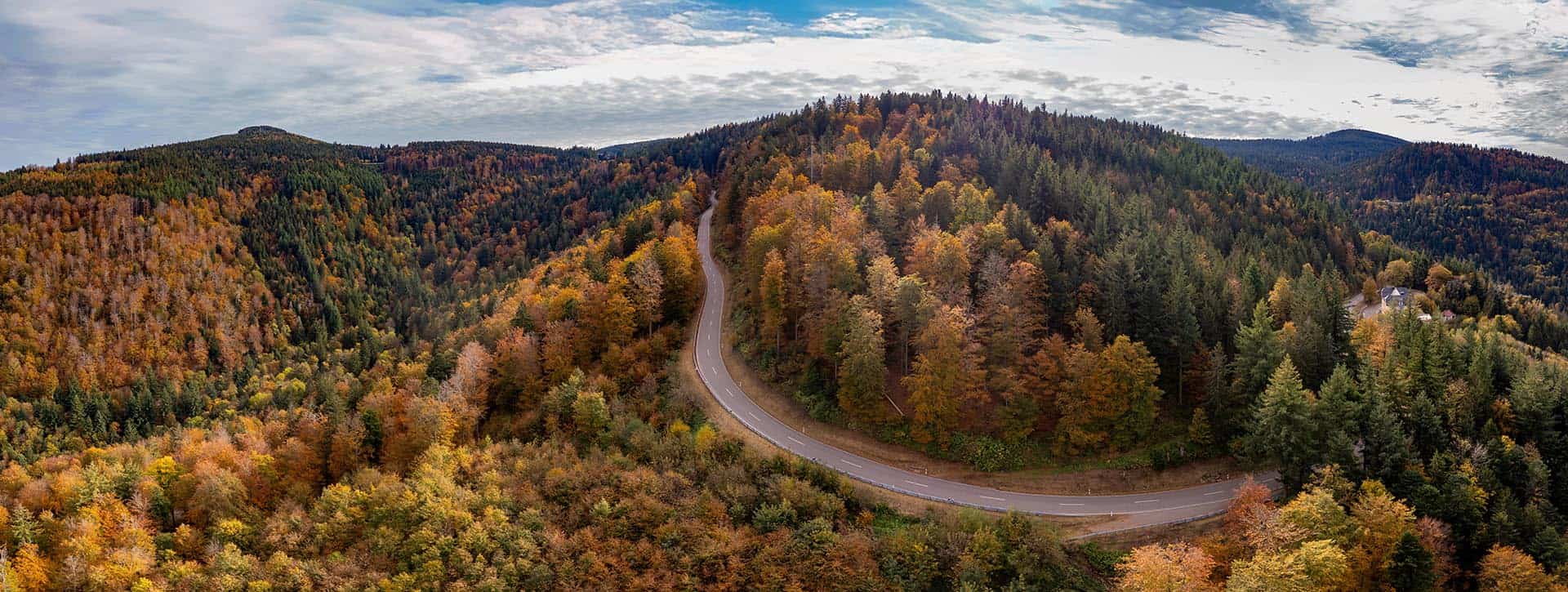
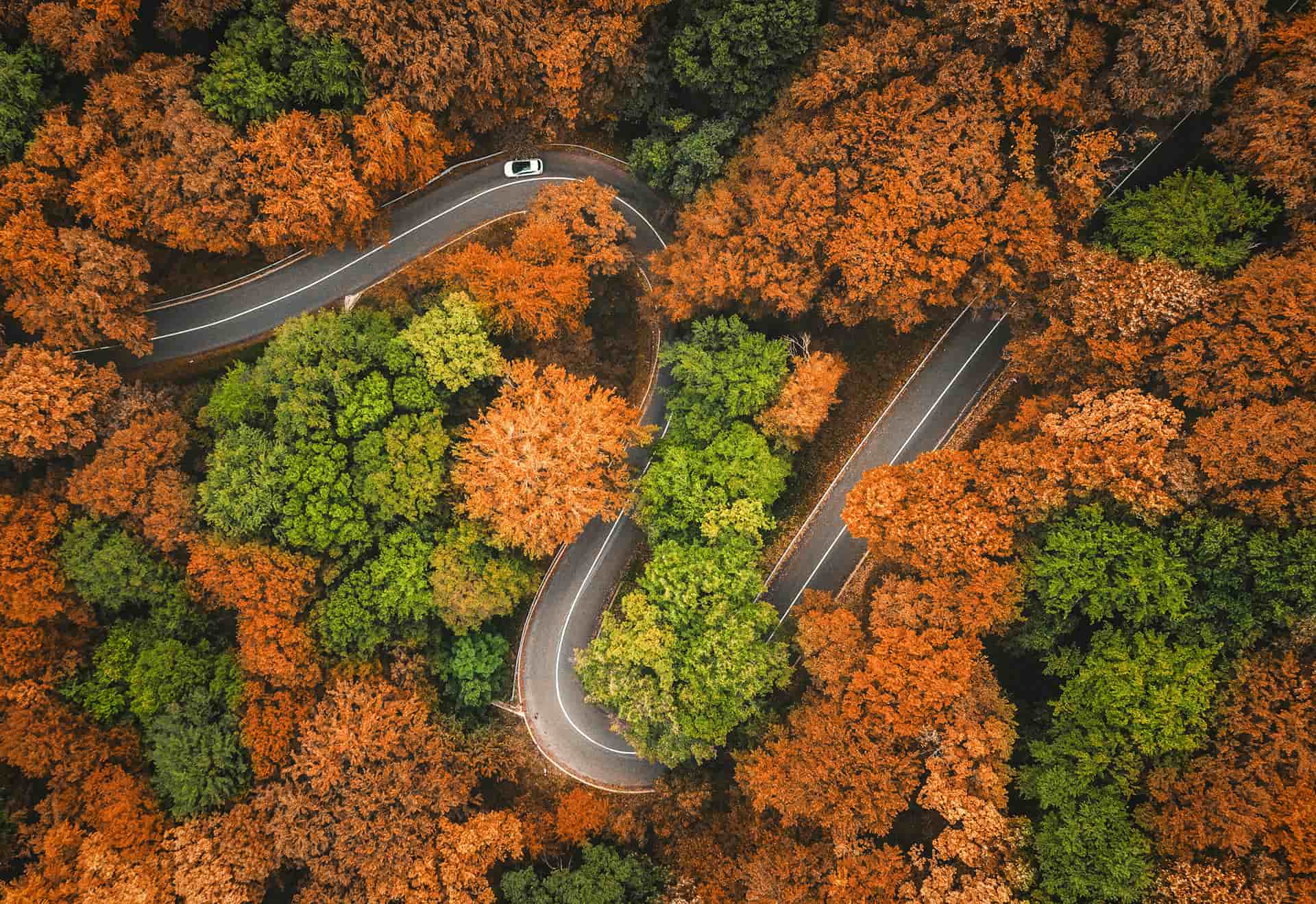
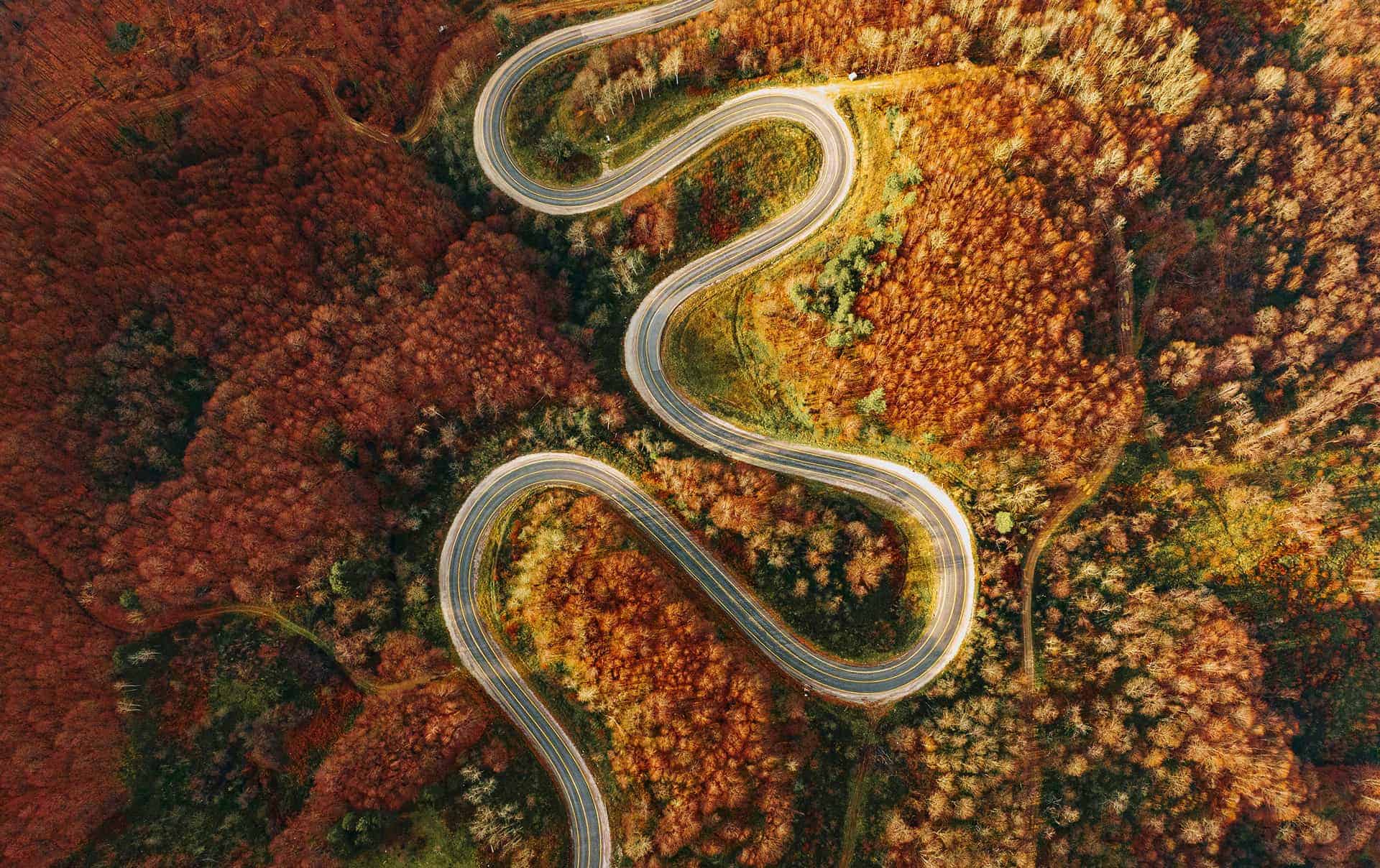
This is where the roads become more wooded, more rolling and more varied. You can link river valleys and forest sections into a day that feels a long way from the flatter roads near the coast. It is less about one famous stretch of tarmac and more about joining the right roads together without rushing between stops.
The area around Spa, Stavelot and Francorchamps is a natural place to explore. Spa-Francorchamps gives the region its motorsport connection, while the roads around it have the sort of hills, bends and changing scenery that suit a driving-focused day.
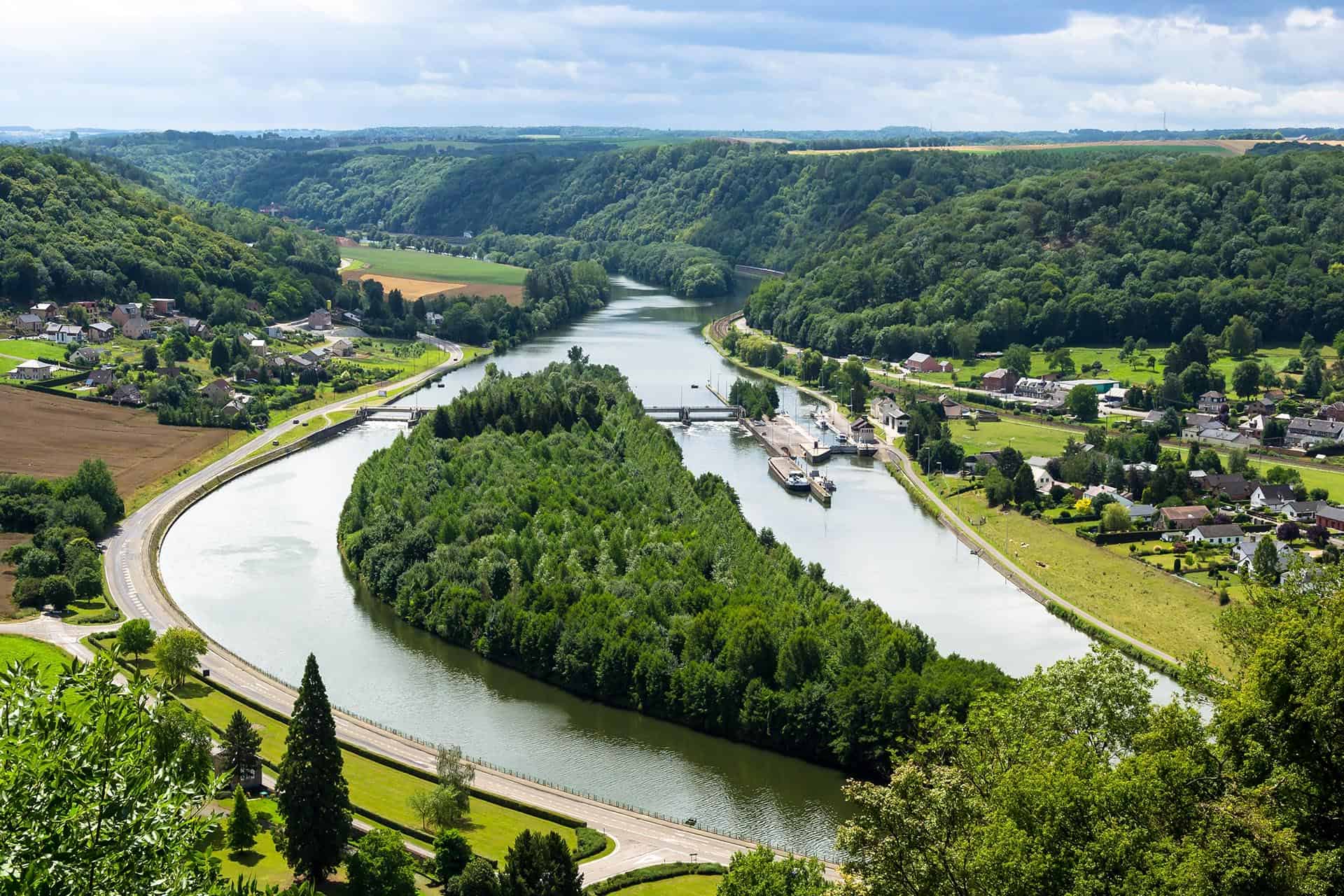
Dinant and Durbuy also make useful bases. Dinant sits beside the River Meuse and works well for a route through the western Ardennes, while Durbuy offers a smaller overnight stop with easy access to the surrounding countryside. Keep the mileage light, particularly if you want time for a walk, lunch or a few unplanned detours.
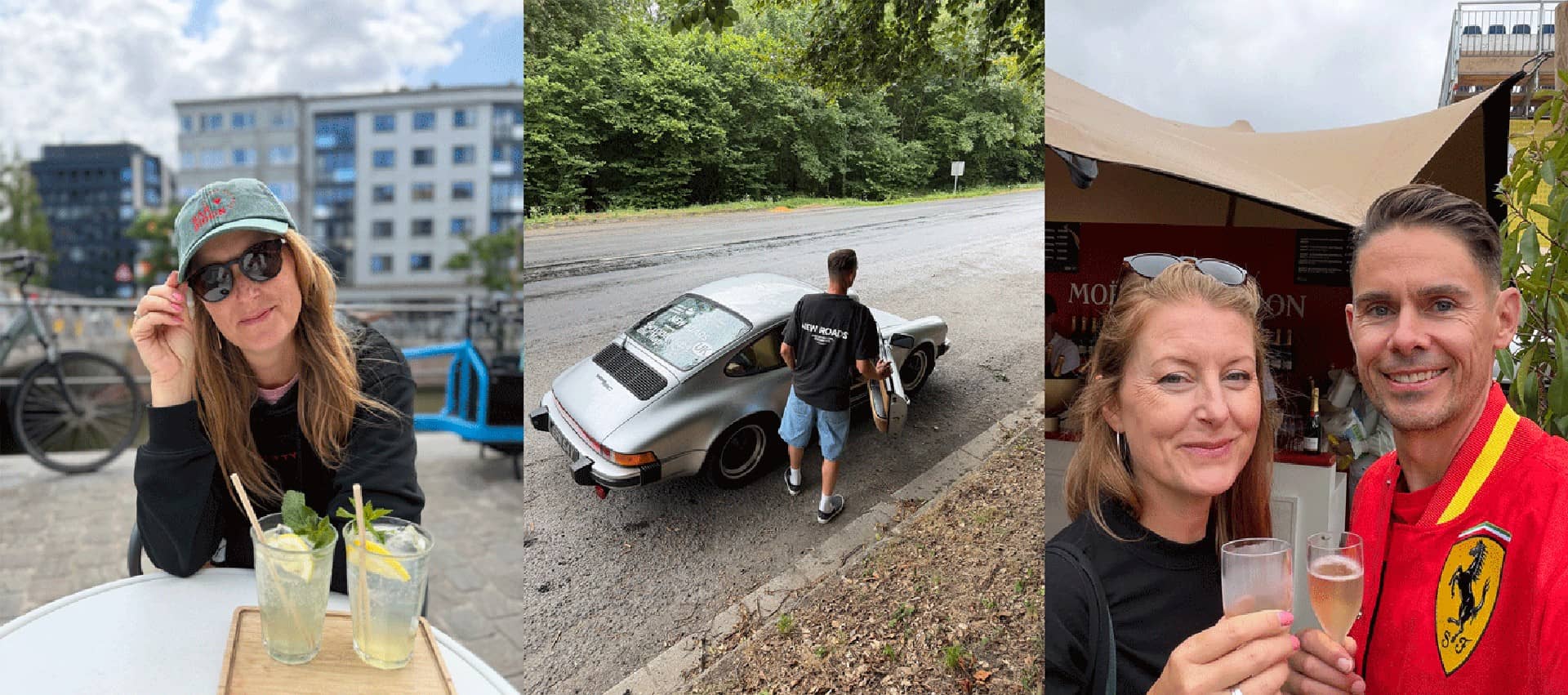
During Steve and Sian’s road trip through the Ardennes in July 2026 they found some remarkable roads. The N589 and D8051 to Fumay being two of their favourites. One learning they shared is “expect it to be wet, very wet, but take a moment – pull over in the forest and take in the scenerity of it all. It’s very special indeed”. Watch their Reel on Instagram.
Flanders: the historic cities and the fast flat roads
Flanders is a different kind of drive.
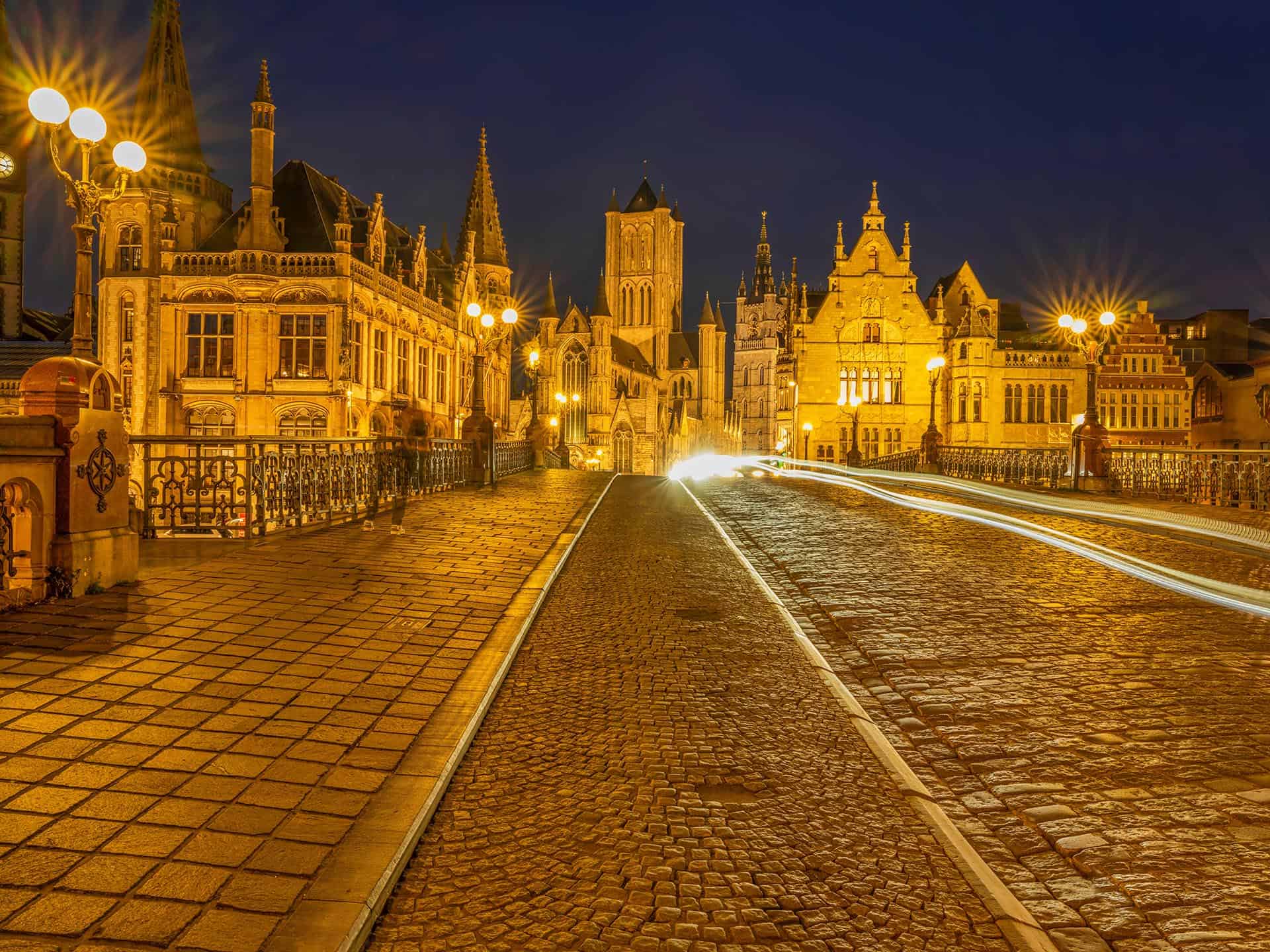
The landscape is flatter and the appeal comes from linking historic cities, smaller towns and food stops into a relaxed route. Ghent, Bruges, Ypres and Leuven all work well as overnight stops, depending on where you are arriving from and how much time you have.
Ghent is particularly useful as a base. It has plenty to see once the car is parked, while the roads outside the city can take you towards the coast, quieter countryside or south towards the Ardennes. Bruges is a worthwhile stop too, though parking and access need a little extra thought before you arrive.
This part of Belgium suits a long weekend where the driving sits alongside proper time exploring the towns. Use the motorway where it saves time, then take the smaller roads between the places you actually want to stop.
The Belgian coast
The Belgian coast is not a dramatic coastal driving route in the same way as the Amalfi Coast or western Norway. Its appeal is a slower day by the North Sea, with broad beaches, resort towns and an easy link back towards Calais or northern France.
De Haan, Ostend and Knokke-Heist are useful places to add if you want sea air, lunch by the water or a final stop before heading home. The coast can get busy in summer, so parking is worth checking before you set off.
It works best as part of a wider Flanders route rather than the whole trip. Combine a night in Ghent or Bruges with a coastal section, then head inland again for the return journey.
Combining Belgium with northern France
Belgium and northern France make a natural road-trip pairing.
You could cross at Calais, spend the first night in or around Ypres, then continue to Ghent before heading south through the Ardennes and back into France. Another option is to begin in Normandy or the Somme, then work north-east into Belgium for a few days before the return crossing.
The advantage is variety without huge distances. France brings open countryside and smaller towns, as well as longer autoroute sections when you need them. Belgium adds historic cities, forest roads and an easy shift in scenery once you move south towards the Ardennes.
For a broader route through the French side of the journey, explore our Northern France road trip guide.
Driving in Belgium: low-emission zones and practicalities
Belgium is straightforward to drive around once you have checked the town-centre details.
The main point to plan for is the low-emission zones. Antwerp, Brussels and Ghent all operate LEZ schemes, with their own access criteria. Foreign-registered vehicles that are allowed to enter generally need registering in advance, so check each city’s official rules before adding a central hotel or city stop to your route. Brussels registration is free and valid for five years, while Antwerp and Ghent also require eligible foreign vehicles to register.
This matters even if your car meets the relevant emissions standard. In Brussels, foreign-registered vehicles other than Dutch vehicles must be registered to enter the LEZ. Ghent also requires foreign vehicles to use its checker and registration process, with drivers advised to register in advance.
Before you go, check:
- Your passport, driving licence, vehicle documents and insurance
- Parking arrangements at your accommodation
- LEZ access and registration rules for Antwerp, Brussels and Ghent
- Local traffic restrictions around historic centres
- The weather and road conditions if you are heading into the Ardennes
If you are planning a long weekend, it can be easier to choose accommodation with parking just outside a restricted centre, then explore the city on foot.
Build your Belgium route with New Roads
Belgium is easy to shape around the sort of weekend you want.
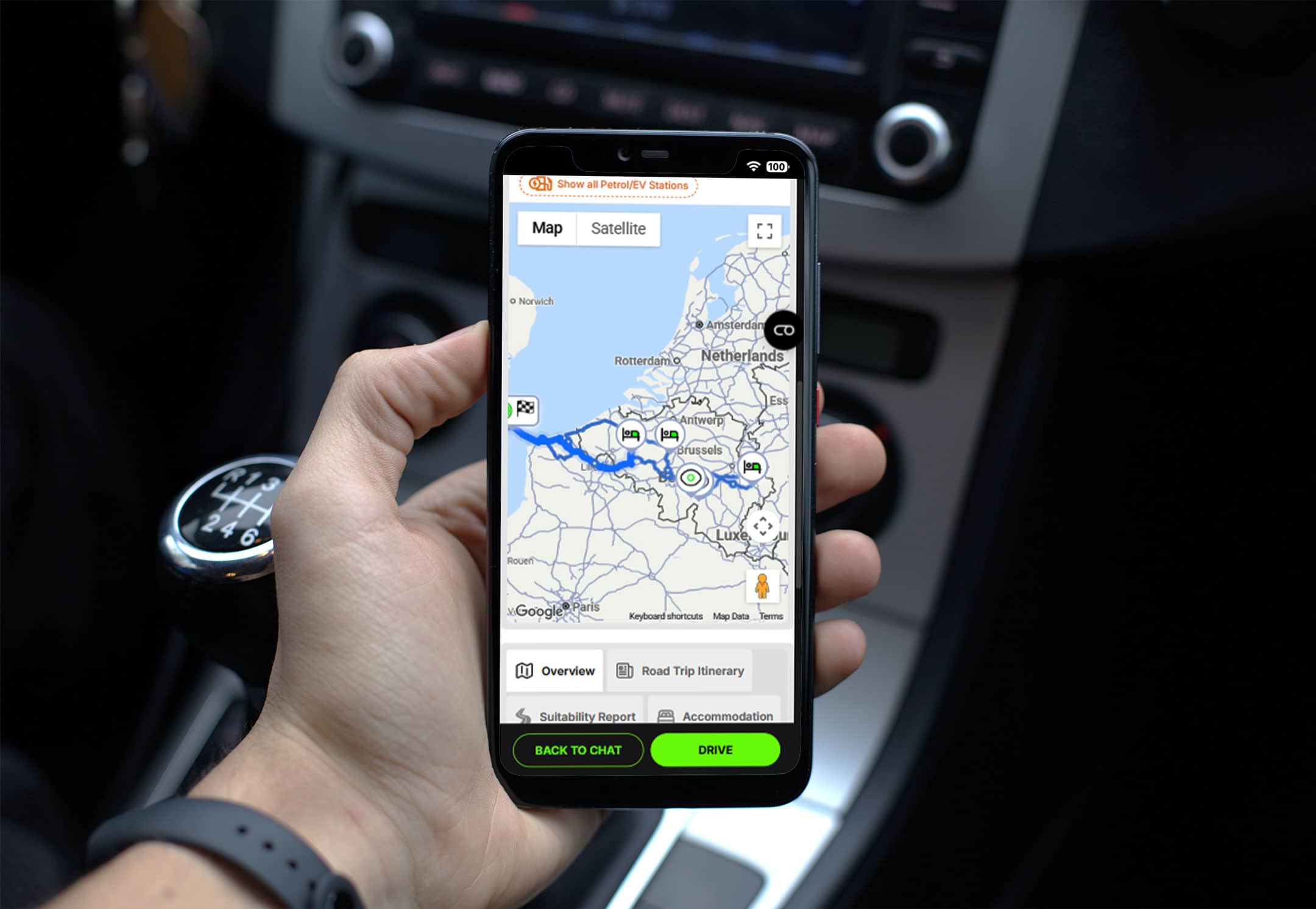
Tell New Roads where you are arriving, what car you drive and whether you would rather explore the Ardennes, Flanders, the coast or a mix of all three. It will then build a bespoke itinerary with driving routes, places to stop, accommodation suggestions and petrol or electric vehicle information.
Before adding forest roads, city-centre hotels or a cross-border loop into France, review the vehicle suitability report as an advisory check. You can tweak the route in the AI chat, save it in My Trips and export it to Google Maps or GPX where available.
Explore the features of New Roads, then plan a Belgium road trip from the Channel that fits your car and the time you have.
AI can make mistakes. Always check routes, parking, access, weather, tides, local restrictions, accommodation and vehicle suitability before travelling.
Frequently Asked Questions
- What is the best Belgium road trip?
A strong Belgium road trip combines Flanders and the Ardennes. Start in Ghent, Bruges or Ypres, then head south towards Spa, Dinant or Durbuy for forest roads, river valleys and a more driving-focused day.
- Is Belgium good for a road trip?
Belgium is a great choice for a long weekend from the UK. It is easy to reach from Calais and offers historic cities, quieter countryside roads, the Ardennes and the North Sea coast without huge distances between stops.
- What are the best driving roads in Belgium?
The Ardennes offer some of Belgium’s most enjoyable driving, particularly around Spa, Stavelot, Dinant and Durbuy. Expect rolling hills, woodland and roads that are best enjoyed at a relaxed pace.
- How many days do you need in Belgium?
Three days is enough for a focused Belgium road trip, with time for one city base and a day in the Ardennes. Four or five days gives you more freedom to add the coast or combine the route with northern France.
- What are the low-emission zones in Belgium?
Antwerp, Brussels and Ghent operate low-emission zones with separate entry rules. Foreign-registered vehicles that meet the access criteria generally need registering before entering, so check each city’s official LEZ checker before you travel.