Switzerland road trips: spectacular Alpine drives
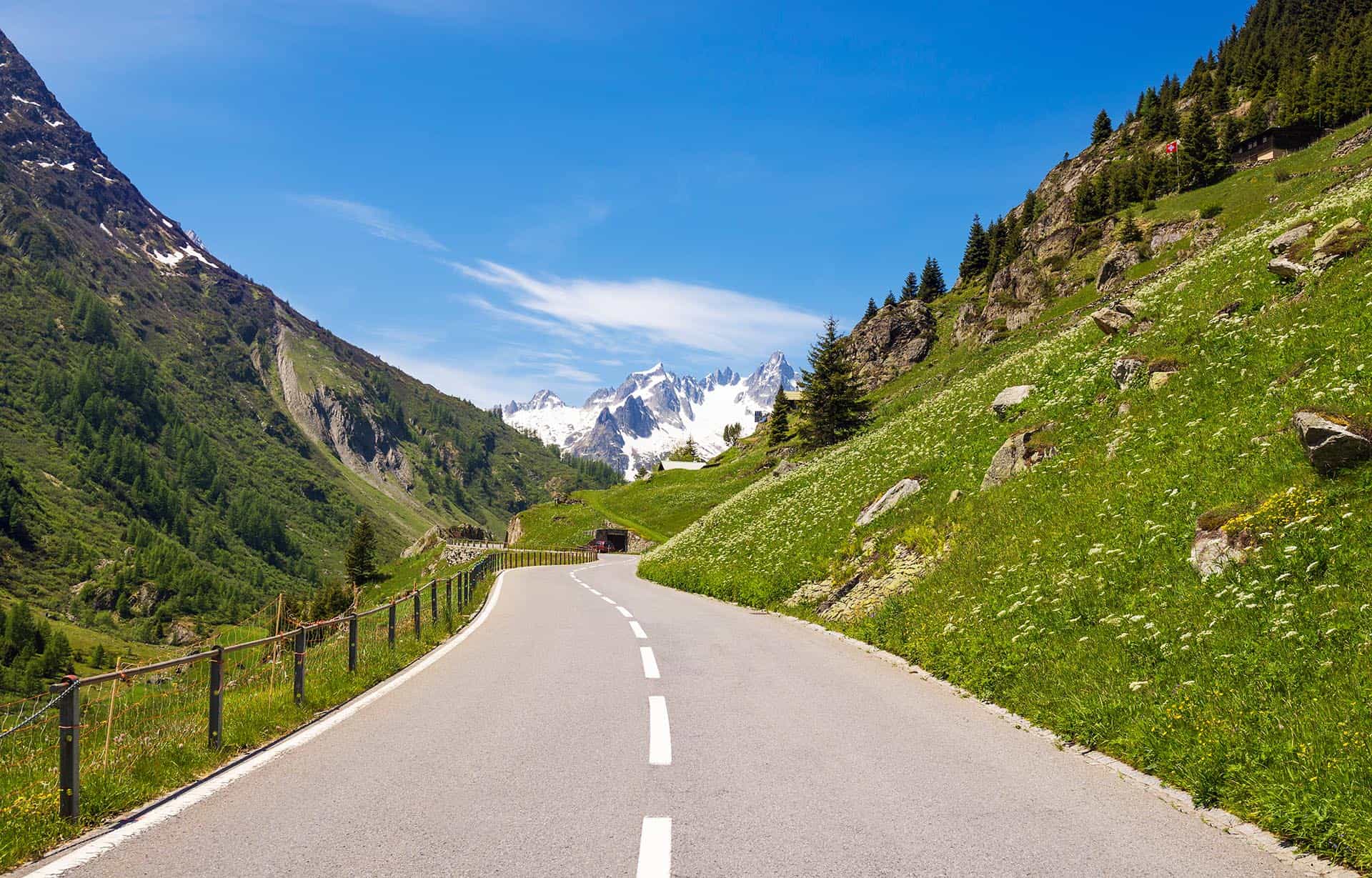
Lakes, mountain passes and high valleys are within just a few hours of each other on a Switzerland road trip.
You can start the day beside a lake, spend the afternoon climbing through a series of hairpins and finish in a village where the mountains feel close enough to reach out and touch. The roads can be spectacular, but they need a sensible plan. Distances often take longer in the Alps, weather can change quickly and the highest passes are only open for part of the year.
For drivers coming from the UK, Switzerland fits naturally into a longer route through France, Germany or northern Italy. Give it a few days of its own and you can build a proper Swiss Alps road trip around the passes, rather than treating the country as somewhere to cross on the way.
For a wider look at routes from the UK, see our best European road trips.
Switzerland as a driving destination
Switzerland is a compact country with a lot of driving packed into it.
The motorways are useful for getting between regions, but the smaller roads are where the trip starts to take shape. You can move from the Bernese Oberland to the central Alps, then down towards Ticino or across to the French-speaking west without covering the sort of distance a similar route might involve elsewhere in Europe.
A three-day trip is enough to settle into a mountain base and enjoy a few headline roads. Five to seven days gives you more freedom to include lakes, valleys and quieter roads. The Grand Tour of Switzerland covers 1,643 km and officially recommends at least seven days for the core route, though you can take a smaller section and make it your own.
The best Swiss driving routes mix a few proper mountain-road days with lighter ones. A pass can take hours once you allow for traffic, weather and stops.
The classic passes: Furka, Grimsel and Susten
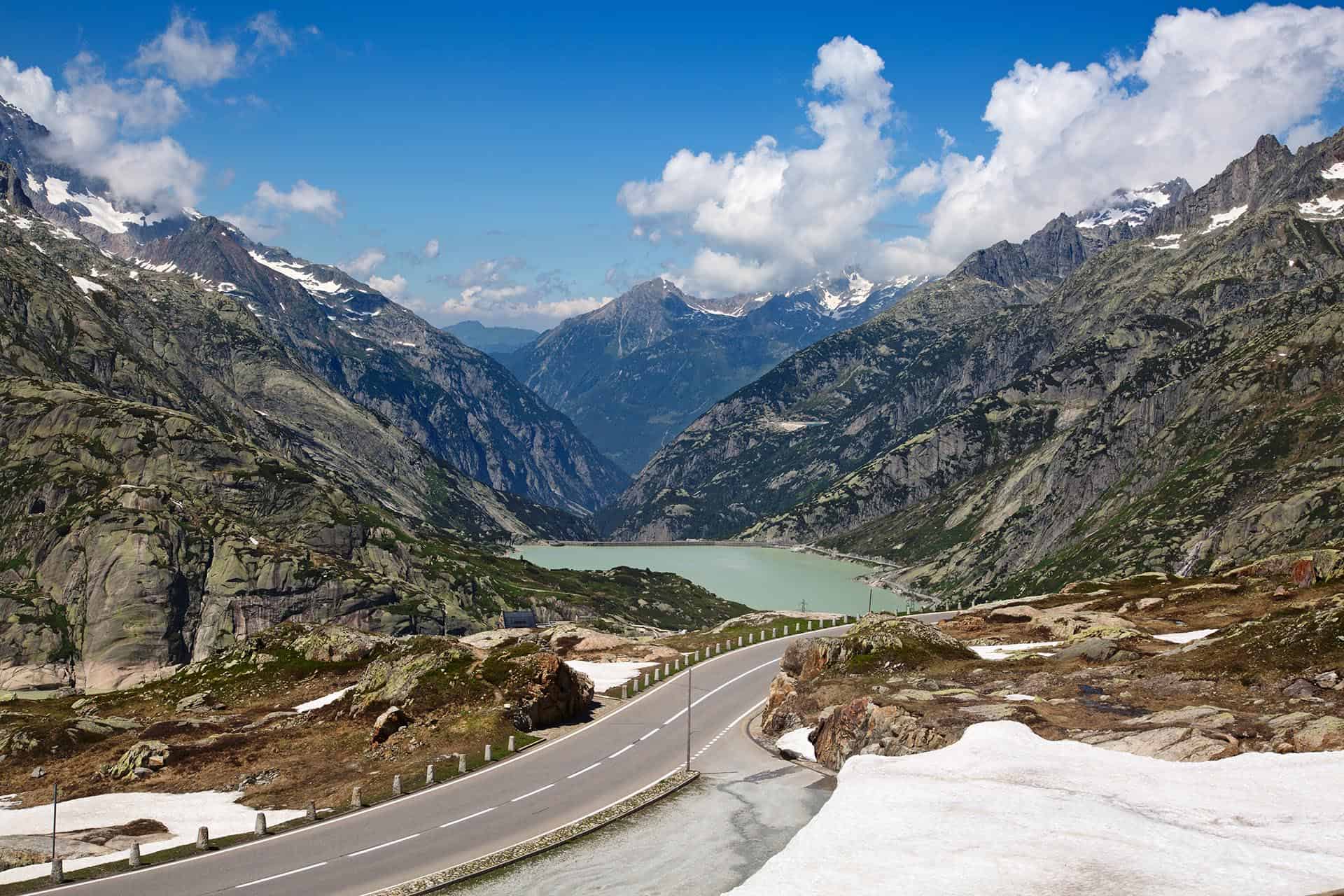
Furka, Grimsel and Susten are three of the best Swiss mountain passes to link into one route.
They work particularly well from a base around Andermatt, Meiringen or the Bernese Oberland, creating a full day of climbs, hairpins, reservoirs and high Alpine scenery. Switzerland Tourism’s three-pass route covers 131 km between Meiringen and the major crossings, but it is a day to take steadily rather than measure by distance.
Furka Pass climbs to 2,429 m between Realp and Oberwald and is the best known of the three. The road brings long bends, proper hairpins and views towards the Rhône Glacier, with the old Hotel Belvédère sitting above one of its most recognisable corners.
Grimsel Pass has a different feel, running through a higher, rockier landscape between the Bernese Oberland and Valais. The road passes three reservoirs on its way to the summit, so it is worth building in time to park up and wander around.
Susten Pass is a fitting third section, with a long climb through the Meien valley, 25 bridges and as many tunnels on the approach. It is a great route for drivers who enjoy the road changing constantly, but it needs patience around cyclists, weather and busier periods.
A standard road car is enough for these passes when they are open and conditions are suitable. If you are in something low, wide or heavily loaded, review the route, parking and accommodation access before you commit to a full day in the mountains.
The Grand Tour of Switzerland
The Grand Tour of Switzerland is the country’s best-known long-distance driving route.
Across a 1,643 km circuit it links 46 major attractions, 22 lakes, five Alpine passes and 13 UNESCO World Heritage sites. The official route is split into eight stages and is signposted in a clockwise direction, though most road-trippers will take a section rather than try to complete the whole loop in one go.
For a focused road trip, choose the part that suits the drive you want. The central Alps work well for Furka, Grimsel and Susten. The Bernese Oberland gives you lakes and higher roads, while Ticino offers a more Italian feel as you head south towards Lugano and the border.
The route is designed for cars and motorbikes. Larger vehicles can face restrictions in some places. Use it as inspiration, then build a version around the time you have and the roads you are most keen to drive.
Combining Switzerland with the Black Forest, the Alps and the Dolomites
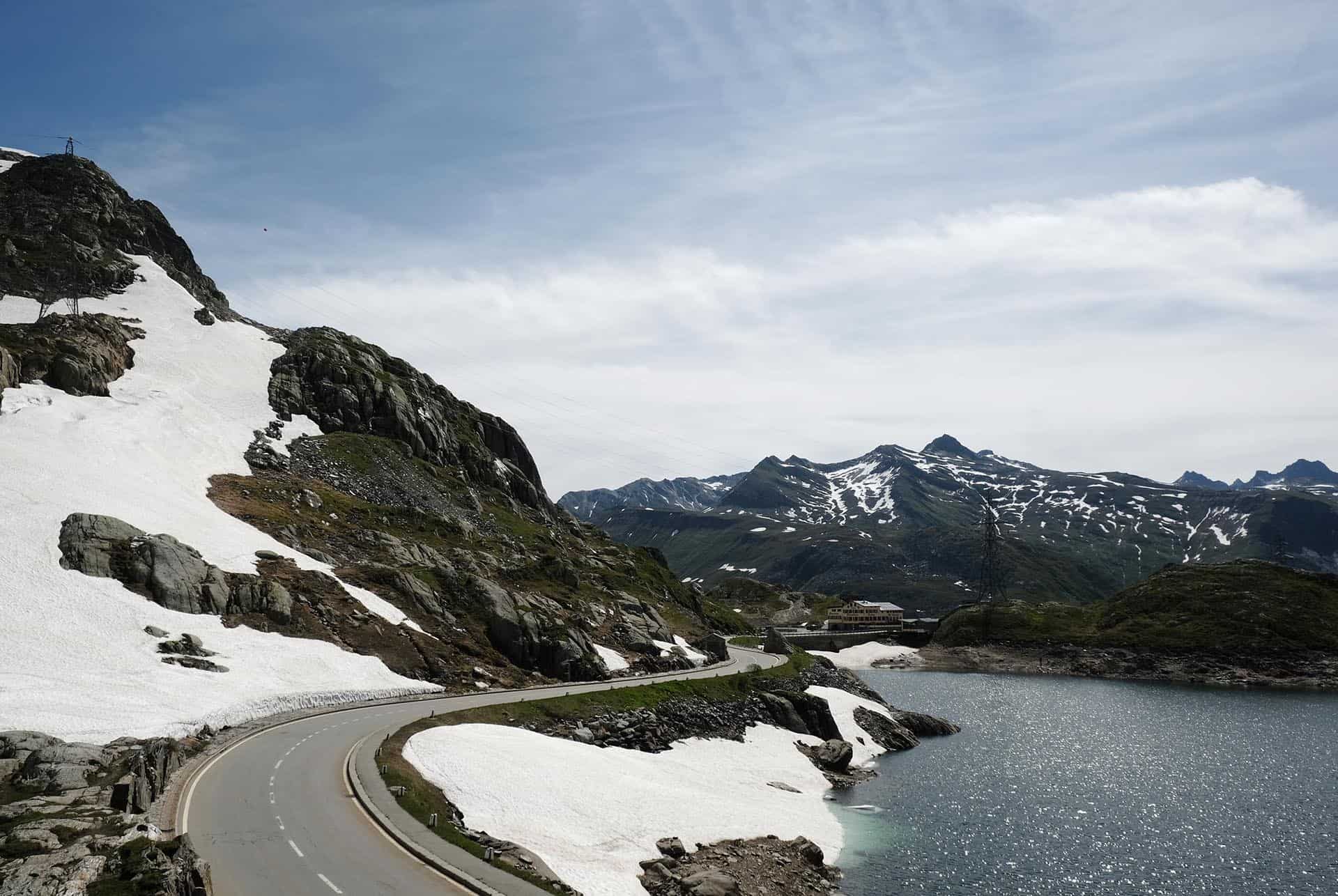
Switzerland fits neatly into a bigger European loop.
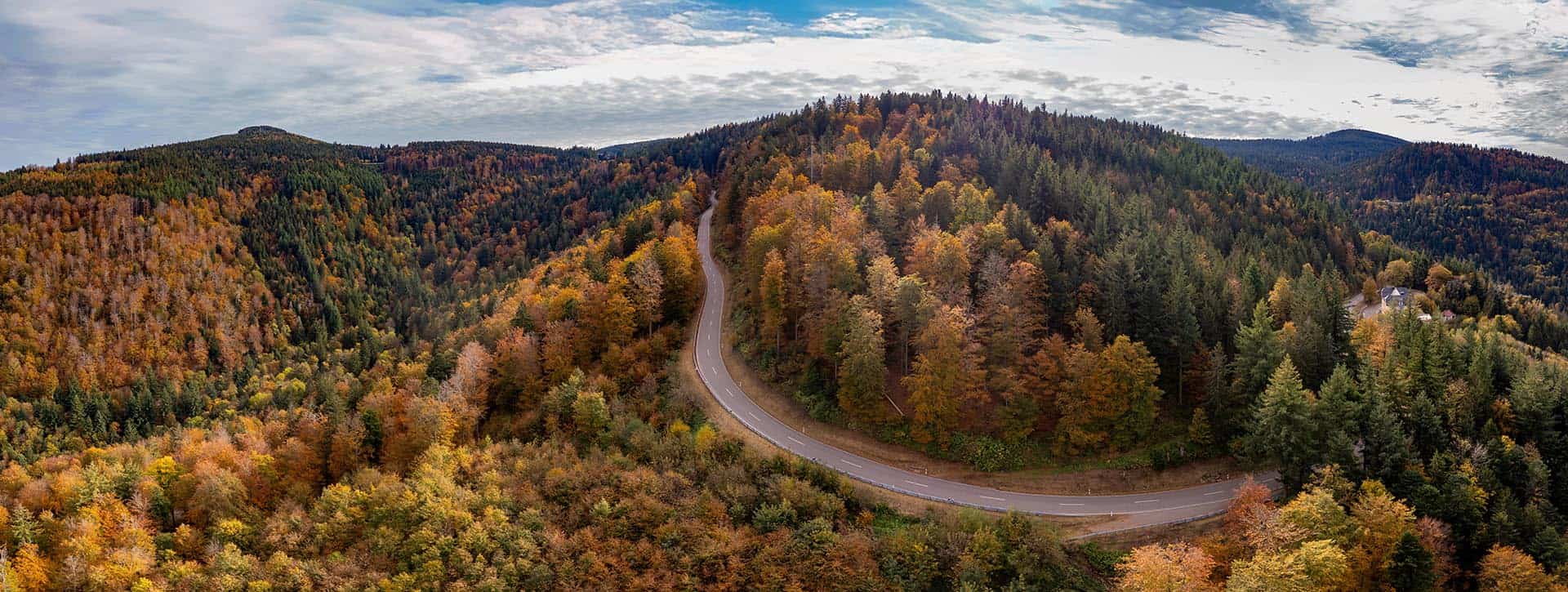
From the north, the Black Forest makes an easy opening section before you cross towards Basel and the Swiss Alps. You can link forest roads, lakes and historic German towns with a few days of higher mountain driving. See our Black Forest road trip for more on that route.
To the west, France gives you a different Alpine experience. The roads are broader in places, the distances between towns can be longer and a route through the French Alps can naturally lead towards the south coast.
Head south or east and the Dolomites become a natural next step. You will find mountain passes and unpredictable weather in both regions. The Dolomites have their own character, with Italian food stops, mountain rifugi and more frequent hairpins. See our Dolomites driving routes for ideas.
For different mountain drives, our you don’t need five days in The Alps piece explores alternatives to an Alpine road trip.
Driving in Switzerland: the motorway vignette and the rules
Switzerland sits outside the EU, so it is worth treating the practical side as its own part of the plan. Border and customs rules can differ from the EU countries around it, so check current requirements for the route and goods you are taking before you cross.
The essential driving cost is the motorway vignette. Cars, motorbikes, trailers, caravans and campers up to 3.5 tonnes need one to use Swiss motorways and expressways. The annual vignette costs CHF 40. There is no shorter daily, weekly or monthly option.
You can buy a physical sticker at the border, petrol stations and other authorised outlets, or buy an e-vignette through the official e-vignette.ch portal. The e-vignette is linked to the number plate, while the sticker is attached to the vehicle.
Also check your driving licence, vehicle documents, insurance, Swiss parking rules and any local access restrictions before setting off. UK photocard licence holders can drive in Switzerland without an international driving permit for a visit.
When to go and pass closures
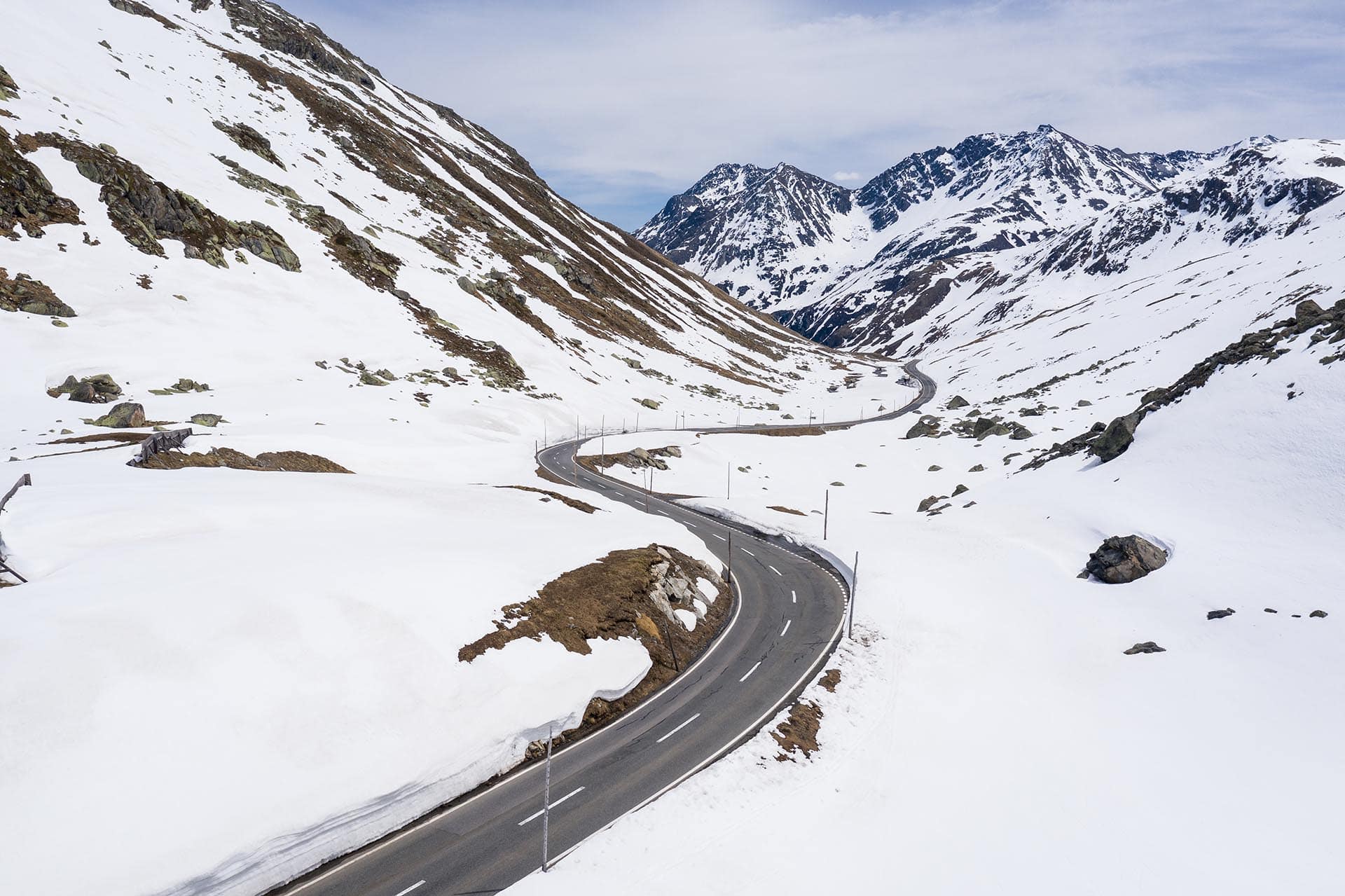
For a pass-focused Switzerland road trip, June to September is usually the most reliable window.
Furka and Grimsel are generally open from June to October, depending on snow conditions. Other high routes follow similar seasonal patterns, with many passes closing from roughly October through to May. Check the latest official road and pass information before you leave each day.
July and August bring longer days, but also more traffic and demand for accommodation. September can be a great time, with cooler temperatures and a little more space on the roads, although weather at altitude can still change quickly.
Winter is a different type of trip. Main valley roads remain useful, but high pass routes can close and winter equipment may be required. Keep the route flexible and choose roads that suit both the conditions and the car you are taking.
Build your Swiss route with New Roads
A Switzerland road trip is better when the route suits the car, the season and the sort of mountain driving you enjoy.
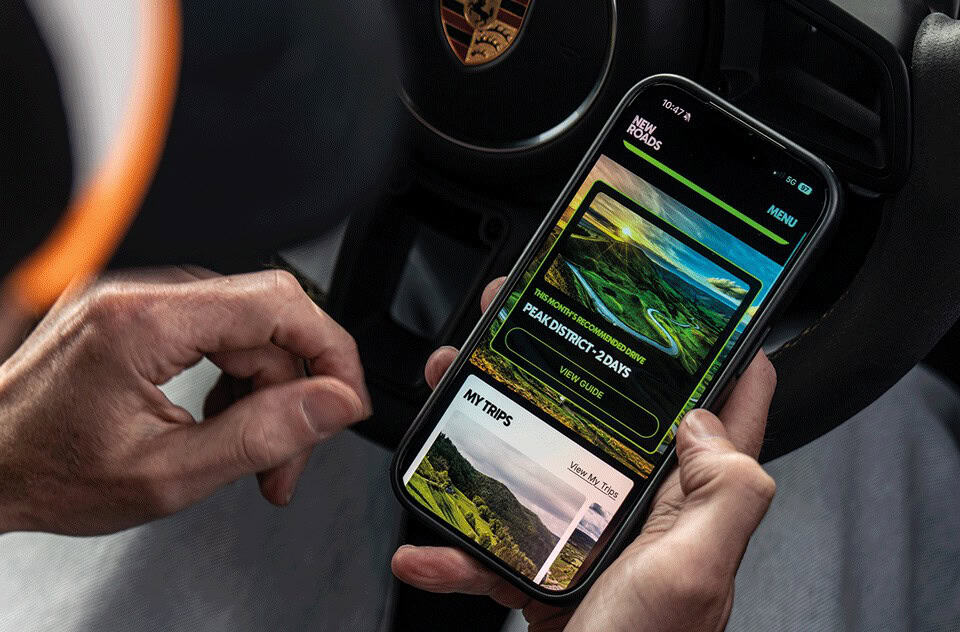
Tell New Roads where you are starting, how many days you have and whether Furka, Grimsel, Susten or a wider Grand Tour section is on your list. It can help build a bespoke itinerary with driving routes, places to stop, accommodation suggestions and petrol or electric vehicle information.
Before adding a high pass or smaller mountain road, review the vehicle suitability report as an advisory check. You can adjust the route in the AI chat, save it in My Trips and export it to Google Maps or GPX where available.
Explore New Roads features, then build a Swiss road trip around the passes, lakes and overnight stops you want to make time for.
AI can make mistakes. Always check routes, parking, access, weather, tides, local restrictions, accommodation and vehicle suitability before travelling.
Frequently Asked Questions
- What is the best Switzerland road trip?
A classic Switzerland road trip links Furka, Grimsel and Susten passes, with a base around Andermatt, Meiringen or the Bernese Oberland. Give yourself at least three days to properly enjoy the roads and stops.
- What are the best mountain passes in Switzerland?
Furka, Grimsel and Susten are three of the standout Swiss mountain passes. They can be linked into a memorable loop with hairpins, reservoirs, glacier views and high Alpine scenery.
- Do you need a vignette to drive in Switzerland?
You need a motorway vignette for Swiss motorways and expressways if your vehicle is up to 3.5 tonnes. The annual vignette costs CHF 40 and is available as a sticker or e-vignette.
- When are the Swiss passes open?
Many high Swiss passes are open from around June to October, depending on snow and weather conditions. Furka and Grimsel follow this general season, but always check current pass status before travelling.
- Is the Grand Tour of Switzerland worth driving?
The Grand Tour is a strong option if you have at least a week and want to combine lakes, mountain passes, cities and smaller roads. For a shorter trip, choose one section and build the route around the roads and stops that suit your time.