Driving the Amalfi Coast: everything you need to know
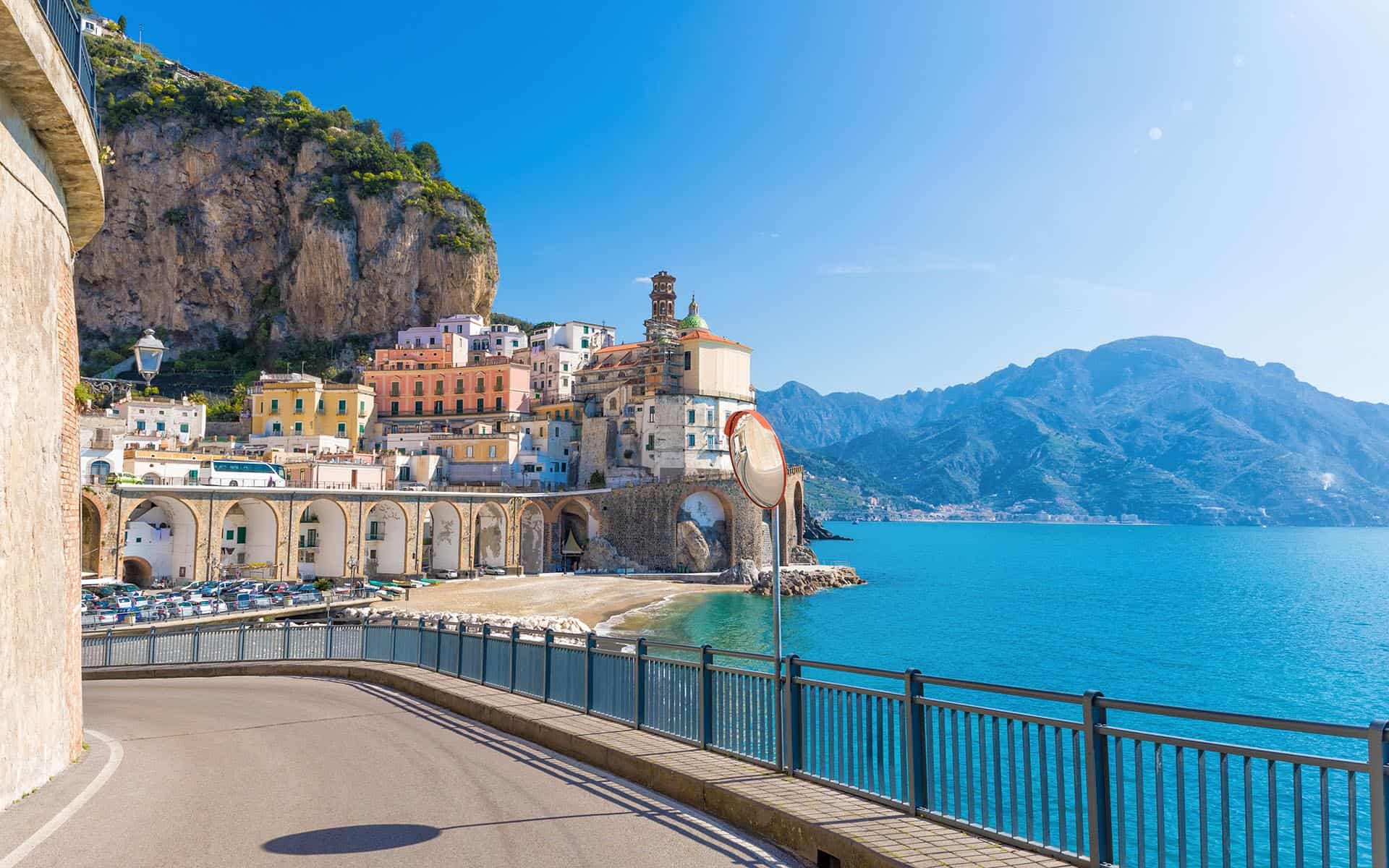
An Amalfi Coast drive is famous for good reason. The SS163 links dramatic coastal scenery with towns that cling to the hillside, making the drive from Sorrento towards Amalfi and Ravello a truly breathtaking experience.
The SS163 follows the coast through a string of cliffside towns, with the sea on one side and steep hills rising above the road. From Sorrento, you can head towards Positano, Amalfi and Ravello, stopping where the views, food, shops and pace of the day take you.
It’s also a route that needs a little planning. The road is narrow, parking is limited and summer traffic can change the feel of the drive quickly. Get the timing right, choose a sensible base and give yourself room to adapt, and the Amalfi Coast makes a brilliant Italy road trip.
For more route ideas across the country, see Italy road trips.
The Amalfi Drive (SS163) explained
The SS163, often called the Amalfi Drive, is the coastal road linking the towns of the Amalfi Coast. It runs through Campania, following the shoreline between the Sorrento Peninsula and Vietri sul Mare, with Positano and Amalfi among its best-known stops.
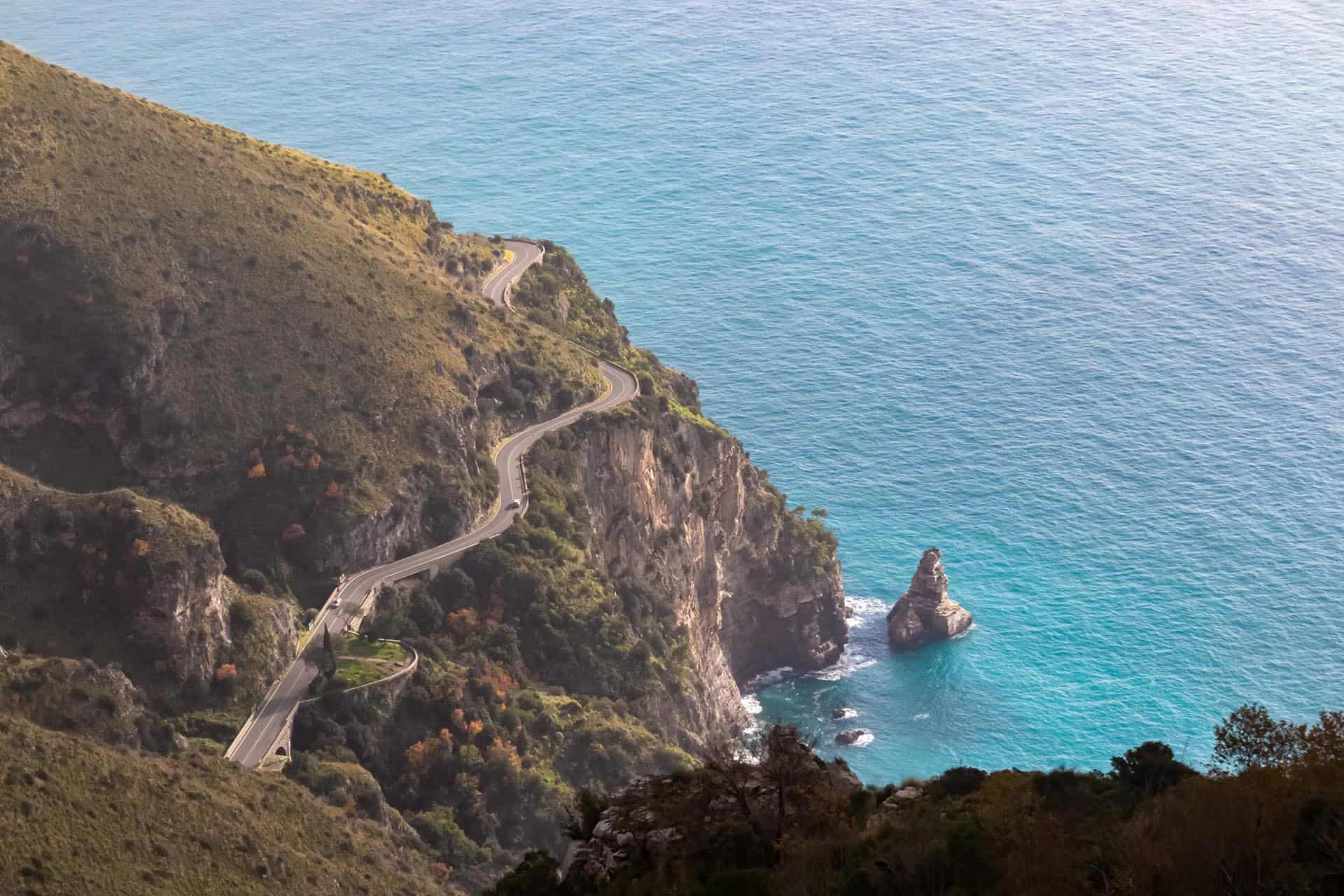
The route is full of bends, tunnels, narrow sections and views that make you want to stop every few minutes. It is a road where the driving and scenery work together, but it is not a fast route between towns. Buses, coaches, scooters, pedestrians and parked vehicles all shape the pace.
You can drive the Amalfi Coast in a day, but it is more enjoyable as part of a longer stay. Give yourself a few days and choose the towns you most want to experience.
Is it worth driving yourself? An honest answer
Driving the Amalfi Coast yourself can be very rewarding if you enjoy taking your time and are comfortable with tight, busier roads.
When driving it yourself, you have the freedom to stop at a viewpoint, take an inland detour or stay somewhere beyond the main towns. It can also make more sense if you are carrying more luggage or continuing to another part of southern Italy.
The practical side matters, though. The SS163 has one lane in each direction, and it can become heavily congested during weekends and the busier months. The road is shared with coaches and local buses, while scooters can appear quickly around blind bends.
If you are less comfortable with hairpins, tight road width or meeting larger vehicles on a bend, use the car selectively. Stay somewhere with parking, drive the coastal route early in the day and use local transport for one of the busier town-to-town days.
The route: Sorrento, Positano, Amalfi and Ravello
Sorrento to Positano
Sorrento is a practical place to begin an Amalfi Coast road trip. It is well connected to Naples and gives you a larger choice of accommodation, parking and places to eat.
The run towards Positano is where the road starts to narrow and the scenery becomes more dramatic. Take it steadily, especially if you are driving a wider car. There are plenty of views, but pull over only where it is safe and permitted.
Positano is a worthwhile stop, but it is easier to enjoy once the car is parked. The town drops steeply down towards the sea, and its pedestrian areas, narrow access roads and limited parking mean it is worth planning your arrival rather than simply turning up in the middle of the day.
Positano to Amalfi
The road from Positano to Amalfi is the stretch most people picture when they think of the Amalfi Coast drive. It is winding, busy and full of sea views, with Praiano and smaller coastal stops along the way.
This is a good section to drive early, before the road becomes busier with day visitors and coaches. Keep the mileage light and let the route be the main event. Trying to force in too many beach stops or town visits can make the day feel more like a parking search than a road trip.
Amalfi is a natural place for lunch or an overnight stop. It sits roughly in the middle of the coast and gives you access to the road east towards Atrani, Minori, Maiori and Vietri sul Mare, as well as the climb inland to Ravello.
Amalfi to Ravello
Ravello sits above Amalfi rather than directly on the SS163, and the climb is a big part of the experience. The road is narrower, the corners are tighter and the views open up as you gain height.
It is a short distance on the map, but give it time. The town is best treated as somewhere to park up and explore on foot, rather than a quick turn-around stop before carrying on.
A Ravello stay can work particularly well if you want the Amalfi Coast scenery without being right on the busiest coastal stretch. Check the access road and hotel parking before booking, particularly if you are travelling in a low or wide car.
Driving realities: width, traffic, buses and parking
The Amalfi Coast is not the place to rely on average speeds or exact arrival times.
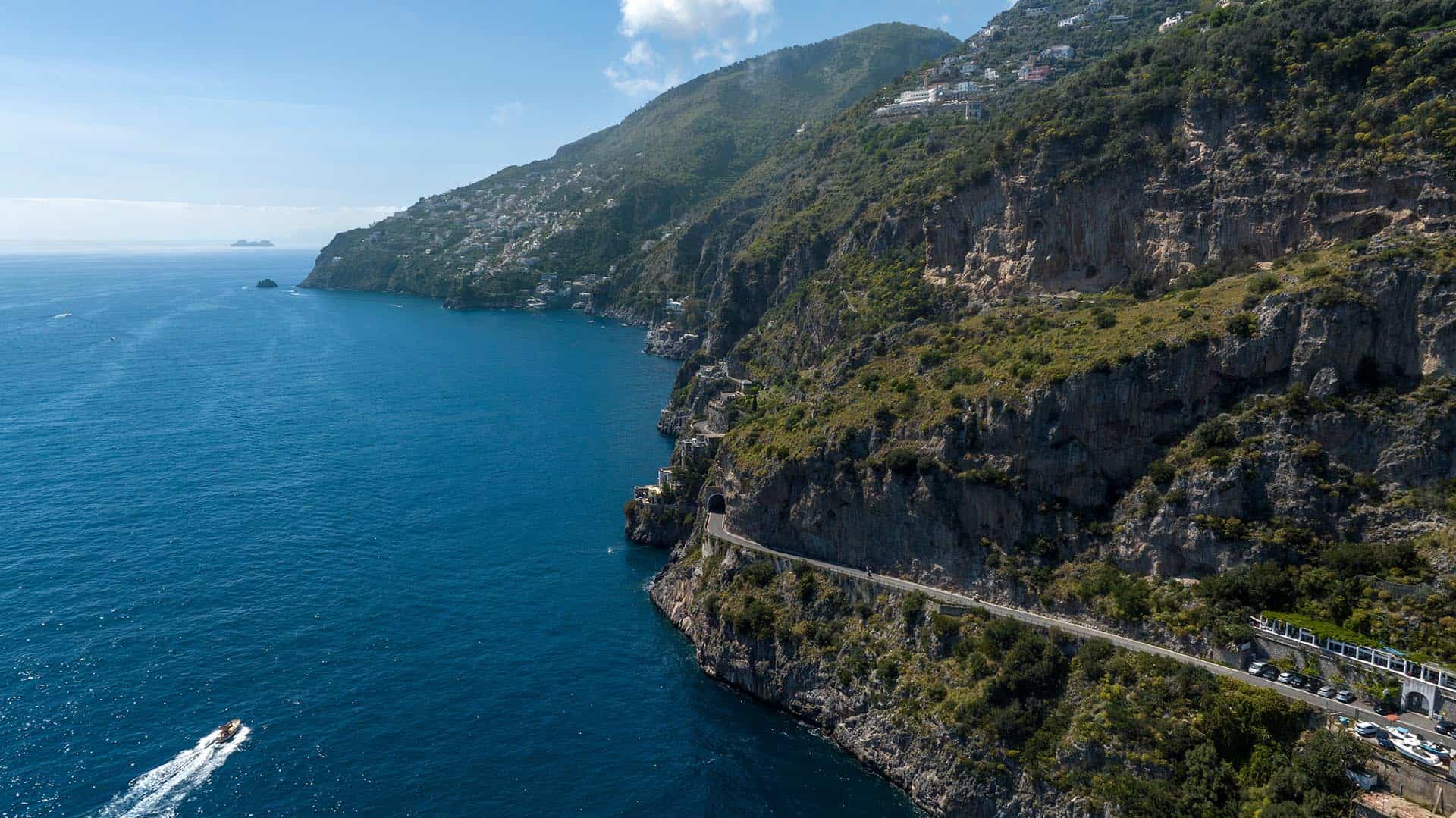
Road width varies, corners can be blind and larger vehicles need room to get through. On busy days, drivers may need to wait, reverse or work around coaches and local buses. Keep the drive relaxed, leave space around the car and avoid trying to force progress when the road is clearly busy.
Wide cars can make the route more tiring, particularly through the tighter sections around Positano and the smaller hillside roads. That does not rule the trip out, but it makes vehicle choice, hotel access and parking arrangements much more important.
Parking is a major part of the plan. In Positano, public and private parking is generally near the road above the pedestrian centre, while much of the town itself is explored on foot. In Amalfi, municipal parking information and live availability tools are available through the local authority, but spaces can fill up quickly in busy periods.
Book accommodation with confirmed parking where possible. If you are visiting Amalfi for the day, check availability before setting out and have a back-up plan if the car parks are full.
Seasonal restrictions and the best time to go
Late spring and early autumn are often a good fit for an Amalfi Coast drive. The days are still long, the weather can be more comfortable and the roads may be less busy than the height of summer.
July and August bring warmer weather, but also heavier traffic, busier parking and less available accommodation. Weekends and public holidays can be particularly busy, so an early start is usually better than trying to drive the headline sections in the middle of the day.
Authorities can introduce seasonal traffic measures on the SS163 and around the coastal towns. These include temporary one-way systems, number-plate restrictions, maximum vehicle dimensions and local access controls. The exact rules, dates and exemptions can change, so check current municipal and regional notices before building your driving day around the coast.
Winter can be quieter, but weather, roadworks and other access arrangements can affect the route. Whenever you go, check the weather, local notices and parking before setting off.
Where to base yourself
Sorrento is a practical base for drivers who want easier access from Naples, more hotel choice and a slightly simpler start to the trip. You can drive towards Positano early, then return before the busiest part of the afternoon.
Positano is the obvious choice if the town itself is high on your list, but book parking before you commit. It can suit a shorter stay where you want to park once, explore on foot and use the car for a different carefully chosen route.
Amalfi is central for exploring both directions along the coast, while Ravello offers a quieter hillside base with broad views and easier access to inland roads. Whichever you choose, confirm the hotel’s access and parking is suitable for your car.
Build your Amalfi route with New Roads
An Amalfi Coast road trip route needs to allow for the road width, hill climbs and parking arrangements that come with driving this part of Italy.
Tell New Roads where you are starting, where you are staying and how much time you have. It will then build a bespoke itinerary with driving routes, places to consider stopping, accommodation suggestions and petrol or electric vehicle information where supported.
Before adding tighter coastal sections or the hill roads around Ravello, review the vehicle suitability report as an advisory check. You can tweak the trip through the AI chat, save it in My Trips and export the route to Google Maps or GPX where available.
Explore New Roads features, then build an Amalfi Coast drive around the stops and roads you want to experience.
AI can make mistakes. Always check routes, parking, access, weather, tides, local restrictions, accommodation and vehicle suitability before travelling.
Amalfi Coast driving FAQs
- Is driving the Amalfi Coast difficult?
The SS163 is narrow, winding and busy in places, particularly during summer and around Positano. It suits drivers who are comfortable with hairpins and a slower pace.
- Is it worth driving the Amalfi Coast yourself?
It can be, especially if you want the freedom to explore beyond the main towns or continue elsewhere in Italy. Plan around parking, traffic and your car’s size, then consider using ferries or local transport on busier days.
- What is the SS163 Amalfi Drive?
The SS163 is the coastal road that links the towns of the Amalfi Coast. It runs through places including Positano and Amalfi, with winding sections, tunnels and views over the Tyrrhenian Sea.
- When is the best time to drive the Amalfi Coast?
Late spring and early autumn can offer a more relaxed experience than peak summer. In July and August, start the day early and check current traffic measures, parking availability and local restrictions before you drive.
- Where do you park on the Amalfi Coast?
Use confirmed hotel parking or public and private car parks near the main towns. Parking is limited in Positano and Amalfi, so check availability before you arrive and expect to explore the towns on foot.
- Are there driving restrictions on the Amalfi Coast?
Seasonal and local restrictions can apply on the SS163 and in town centres, including number-plate measures, vehicle-size limits and ZTL access rules. Check official local notices for the dates you are travelling.