Italy road trips: iconic Italian drives
Driving in Italy gives you a reason to take the scenic route and make the journey a part of the trip.
You can spend a few days in the Dolomites, linking mountain passes beneath the peaks. Head south and the roads around Maranello and Mugello bring together proper car culture, rolling countryside and towns worth stopping in. Further south, the Amalfi Coast, Puglia, Calabria and Sicily all offer a completely different take on an Italian drive.
The best Italy road trips don’t try to cover the whole country in one go. Italy is bigger than it can appear on the map, and each region deserves its own time.
If you are travelling from the UK, the crossing and first leg through France are part of the plan too. See the best European road trips from the UK for further ideas.
How to choose an Italian road trip
Start with the kind of driving you want.
The north is for mountain passes, longer climbs and high roads that need a little patience. Emilia-Romagna suits drivers who want a mix of countryside, food and automotive history.
The south offers coastal roads, hill towns and a slower pace, while Puglia, Calabria and Sicily work well when you have time to explore a region rather than chase one famous route.
A long weekend can be enough for a focused break in one area, particularly if you fly in and hire a car or are already travelling through mainland Europe. For a trip from the UK in your own car, one week gives you more room to make the journey worthwhile. Two weeks opens up driving through several regions without packing every day with motorway miles.
Your car matters as well. A compact car can be easier on tighter mountain hairpins, narrow village streets and coastal access roads. A larger car may be more comfortable on the autostrada, but check parking, hotel access and restricted town centres before you commit.
The north: the Dolomites and the great passes
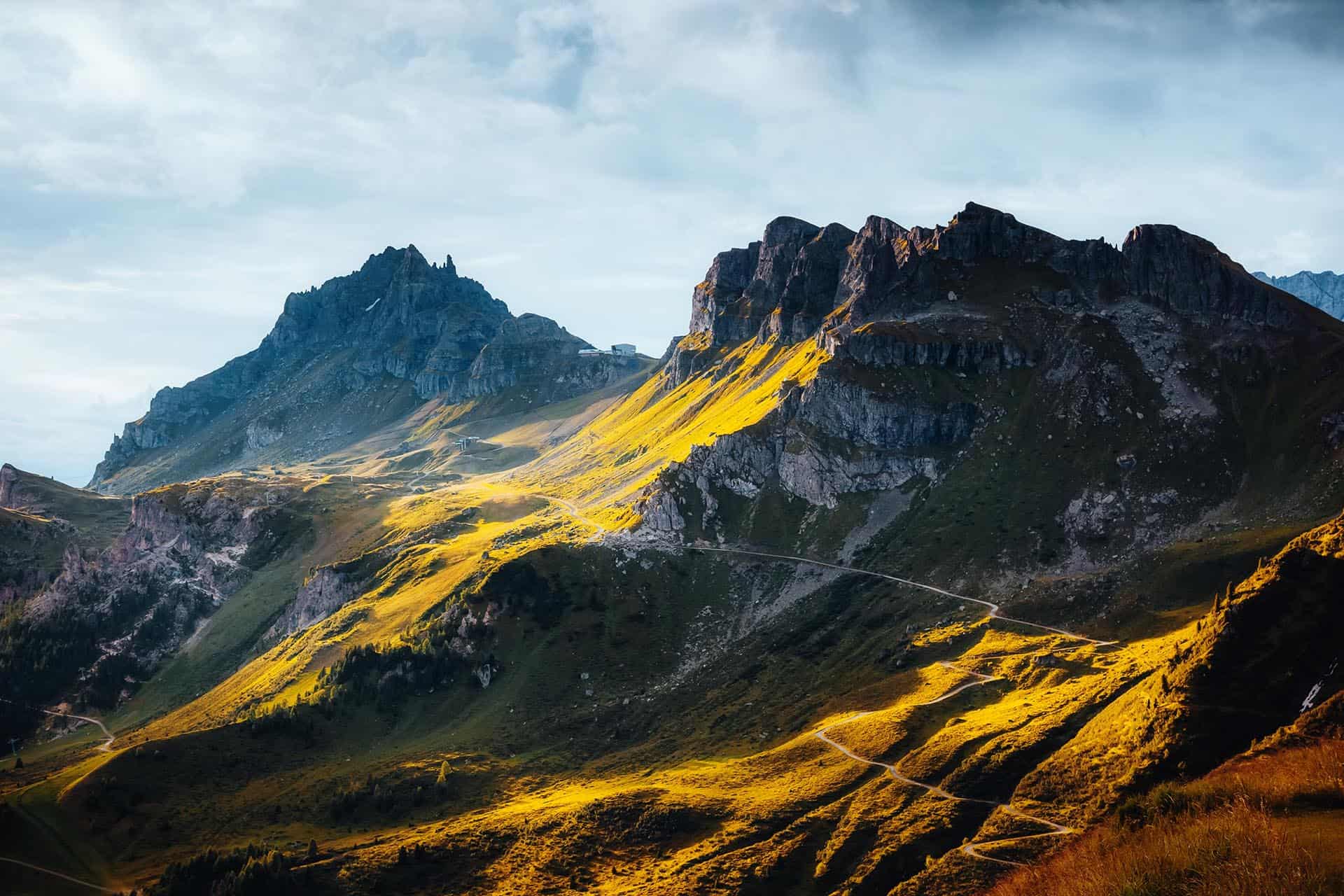
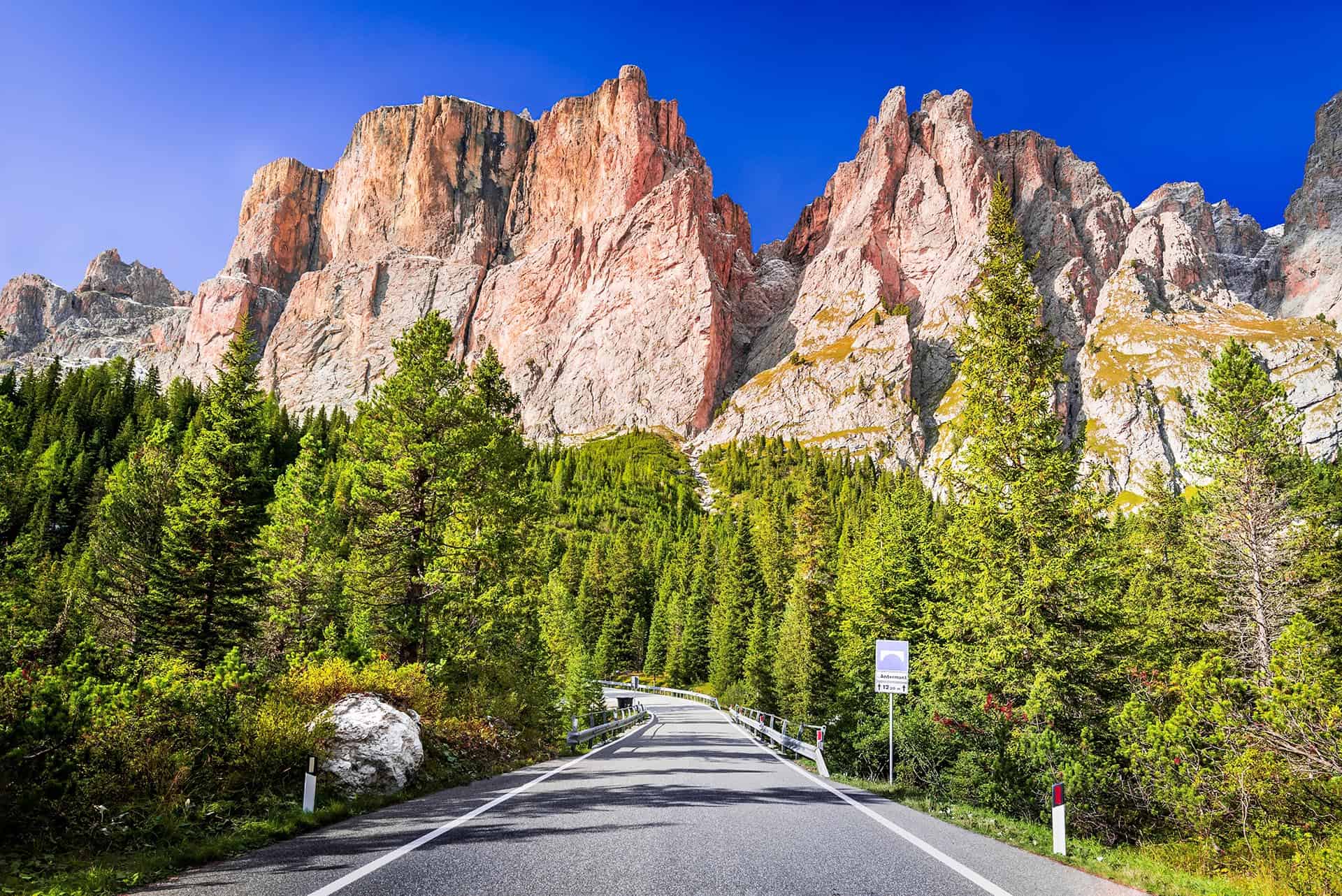
Dolomites driving routes are a highlight for those who want the road to be a memorable part of the trip.
This is mountain driving with plenty of variety. A day can move between open valley roads, long climbs, hairpins and high passes with views that make you stop and take it all in. The key is keeping the plan realistic. Passes take time, traffic can build around the most popular sections and weather can change quickly at altitude.
The Sella Ronda is the best-known pass loop, linking Pordoi, Campolongo, Gardena and Sella in a full day of driving. Passo Giau, Falzarego and Fedaia are all worth considering if you have more time and want to build a broader Dolomites road trip.
For a wider regional overview, see our Dolomites road trip guide.
The main roads are well used, but hairpins, roadside parking and narrower sections mean it is worth reviewing the route around the car you are taking. High passes can also close or have restrictions outside the main summer season, so check local road information and weather before setting off.
Emilia-Romagna: Maranello, Mugello and motoring heritage
Emilia-Romagna works well for a road trip that brings together great driving, good food and plenty to see when you stop.
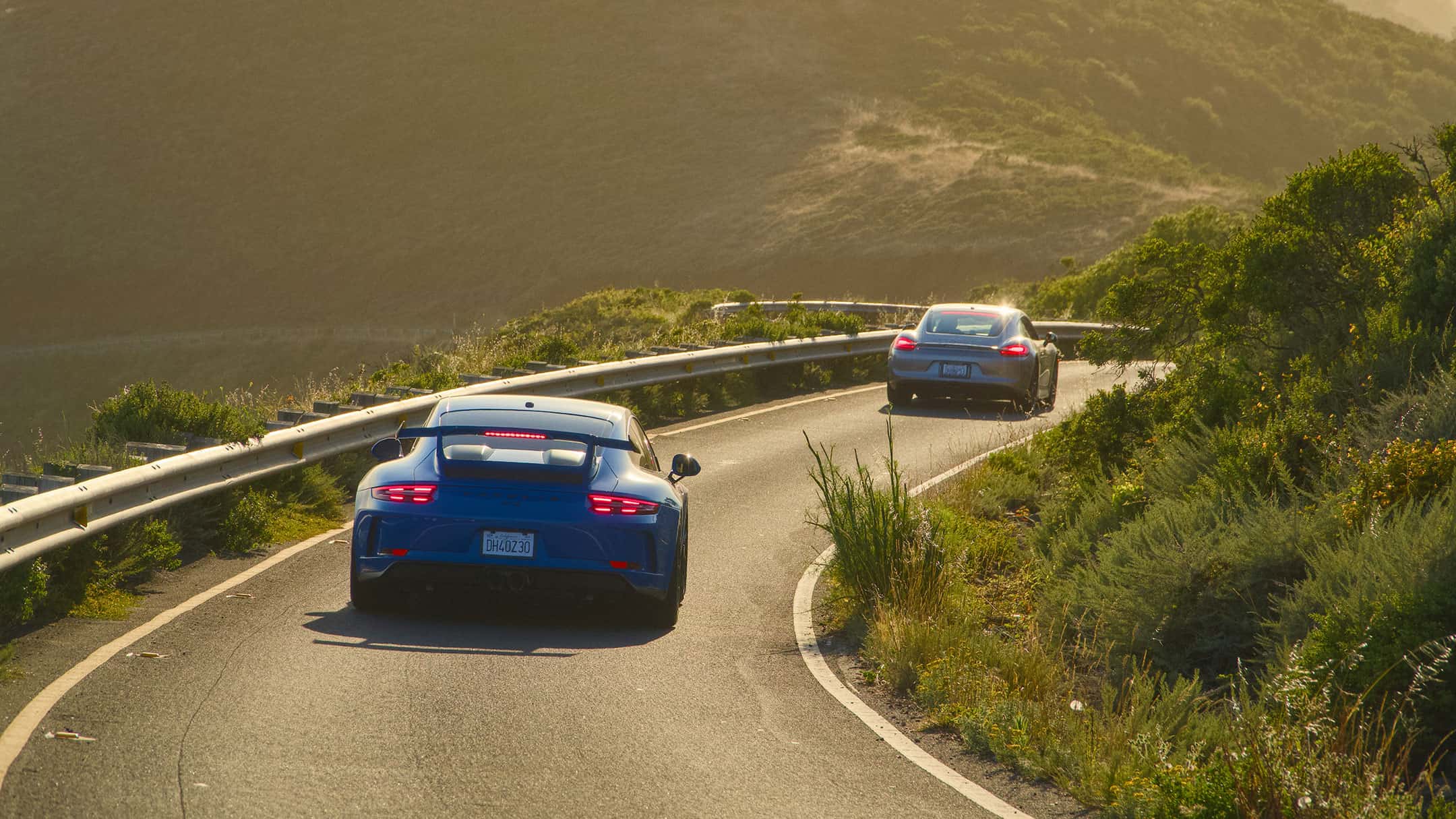
Maranello and Mugello make a strong pairing, with roads that run through the hills and countryside between places that have played an important part in Italian motoring history. It’s an area where a good route can bring together a factory visit, a local lunch and an overnight stop in a town you might otherwise have driven past.
The roads here are not all about big mountain drama. They are more varied and relaxed, with rolling countryside and a good balance between driving time and places worth exploring. It is particularly well suited to a few days based in one or two locations, rather than changing hotels every night.
Explore our Maranello to Mugello road trip, one of the most iconic drives in Italy.
The south: the Amalfi Coast and beyond
Southern Italy offers a different mix of driving, from the tight coastal bends of the Amalfi Coast to the quieter roads of Puglia, Calabria and Sicily.
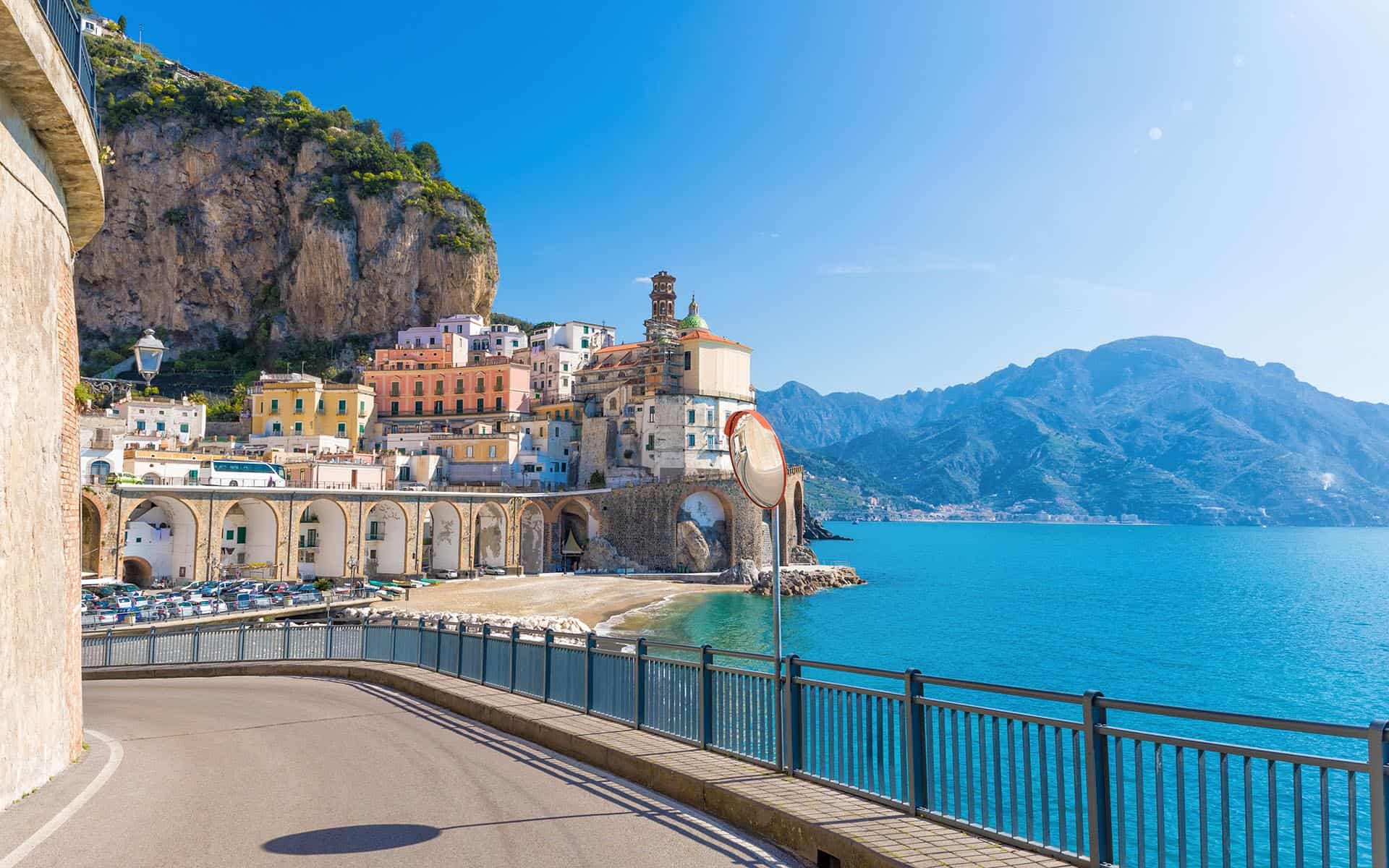
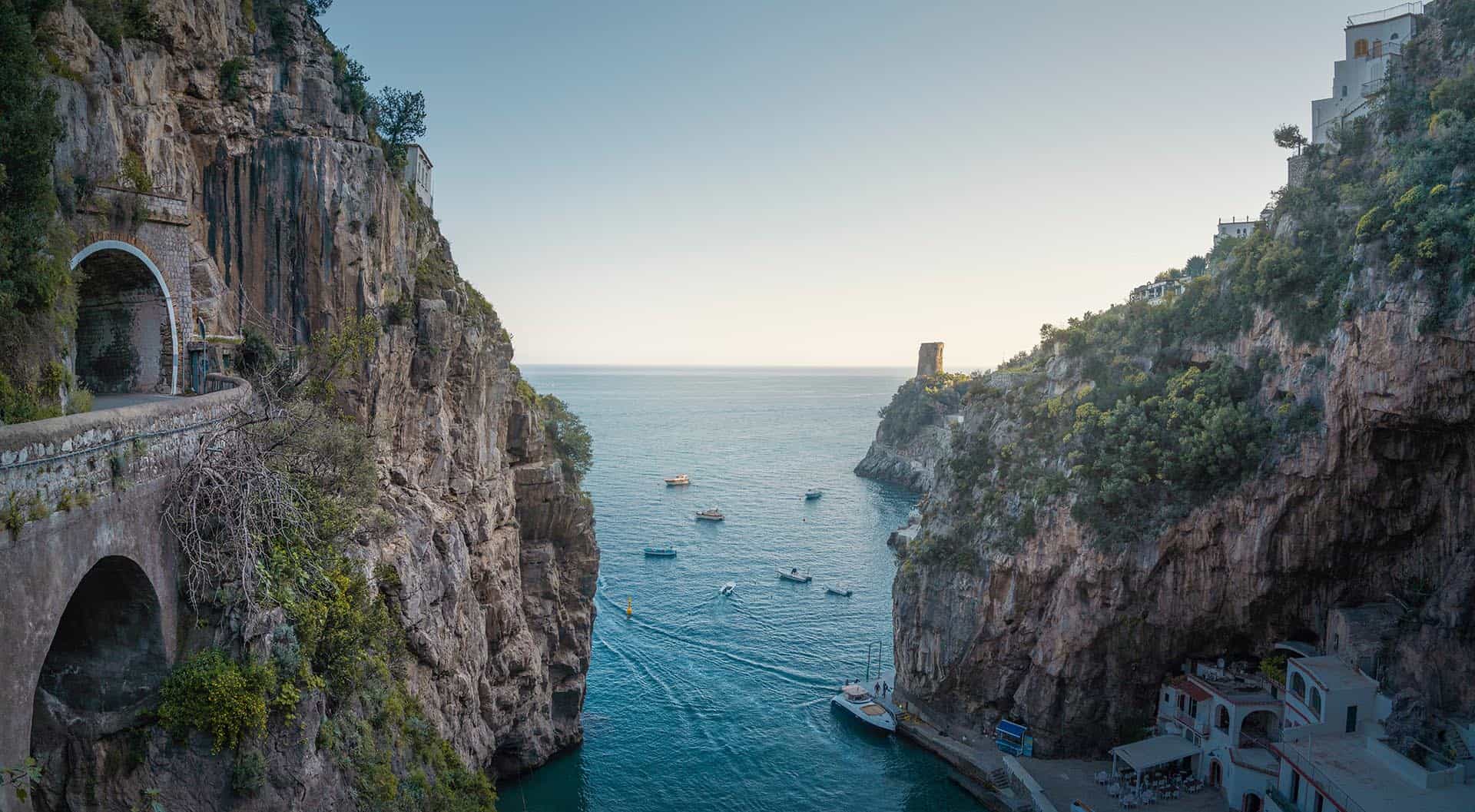
For a famous coastal drive, the Amalfi Coast is hard to overlook. The SS163 links Sorrento, Positano, Amalfi and Ravello along a narrow stretch of coast. The views are incredible, but the road needs patience. Coaches, scooters, traffic and limited parking can all affect the pace, especially through the summer months.
Drive the Amalfi Coast early where possible, book accommodation with suitable parking and avoid trying to fit every town into one day. The roads above the coast can be tighter again, particularly around Ravello, so consider your car’s width and how it handles narrow bends.
For more on this, see our Amalfi coast driving guide.
Beyond Campania, southern Italy gives you plenty of other directions to explore. The drive through Puglia has a calmer feel, with white towns, olive groves and roads that make sense at a more relaxed pace. Calabria brings more remote stretches between the mountains and coast. Sicily can become a full road trip in its own right, with long driving days and varied landscapes.
For a taste of the region, check out Valle d’Itria to Lecce: road testing in Puglia.
Puglia, Calabria and Sicily: make time for the long way round
Puglia works well for combining easy-going driving with characterful towns, regional food and coastal stops. The roads often feel less intense than the mountain passes or Amalfi Coast, which makes the region a suitable choice for a slower trip with plenty of time outside the car.
Calabria needs a little more commitment, but rewards drivers who enjoy a route with changing scenery. You can move from higher inland roads to the coast in a day, with fewer obvious tourist stops.
Sicily has enough variety to fill a week or more on its own. The island combines coastal roads, hill towns and routes around Mount Etna, but distances can add up quickly. Choose a few areas you really want to see, rather than trying to circle the entire island in a few days.

Driving in Italy: ZTL zones, tolls and practicalities
Driving in Italy is straightforward once you understand a few local basics.
The autostrada is useful when you need to cover distance between regions. Most major motorways use tolls, so factor them into your budget and keep more than one payment card to hand. The autostrada is useful for longer distances, while the quieter roads between towns are where many Italian road trips come into their own.
The main thing to watch for is the ZTL (Zona a Traffico Limitato). Common in historic towns and city centres, these restricted-traffic zones are often monitored by cameras, and entering without the right permission can lead to a fine.
Before driving into a town, check:
- Whether your accommodation is inside a ZTL
- If the hotel can register your vehicle for access
- Where you can park and whether you need to reserve a space in advance
- Whether the route includes toll roads or local road charges
- Any local restrictions on vehicle size, emissions or seasonal access
Italy’s roads can quickly change between regions. A motorway day in the north is very different from a drive through a hill town in Tuscany or a coastal section near Amalfi. Build your route around the car, the time you have and the roads you will genuinely enjoy.
Build your Italian route with New Roads
The best Italian road trips leave time to enjoy each region properly.
Tell New Roads where in Italy you’re starting, what you drive, how much time you have and whether you are more interested in mountain passes, coastal roads, car culture or smaller towns. It can help build a bespoke itinerary with route ideas, places to consider stopping, accommodation suggestions and petrol or electric vehicle information where supported.
Before you commit to mountain hairpins or tight coastal roads, review the vehicle suitability report as an advisory check. You can refine the route with the AI chat, save it in My Trips and export it to Google Maps or GPX (where available).
Explore New Roads features, then start planning an Italian road trip around the roads and stops you want to explore properly.
AI can make mistakes. Always check routes, parking, access, weather, tides, local restrictions, accommodation and vehicle suitability before travelling.
Italy road trip FAQs
- What are the best road trips in Italy?
The Dolomites are ideal for mountain passes, Emilia-Romagna suits drivers interested in motoring heritage and the Amalfi Coast brings a famous coastal route. Puglia, Calabria and Sicily all work well for longer trips with more time to explore.
- What is the most iconic drive in Italy?
The Amalfi Coast drive and the high passes of the Dolomites are among Italy’s best-known road trip routes. They offer very different experiences, with coastal traffic and tighter bends in the south, and hairpins and changing weather in the mountains.
- How many days do you need for an Italy road trip?
A focused regional trip can work in around five days, while one or two weeks gives you more room to combine areas. For a drive from the UK, allow enough time for the journey through France and across the Alps if that is part of your route.
- What do you need to drive in Italy?
Take your passport, driving licence, original V5C, printed insurance documents and any required vehicle equipment when travelling from the UK. Check the latest official rules for every country on your route before you set off.
- What are the ZTL zones in Italy?
ZTL stands for Zona a Traffico Limitato, a restricted-traffic zone often found in historic centres. Check hotel access and parking before entering, as restrictions are commonly monitored by cameras.
- When is the best time for an Italy road trip?
Late spring and early autumn can bring more comfortable temperatures and fewer visitors than peak summer in many regions. Mountain passes, coastal roads and city access can all be affected by seasonal conditions, local restrictions and events, so always check before travelling.
- Is driving in Italy difficult?
It depends on the region and route. Autostrada driving is very different from mountain passes, narrow coastal roads or historic town centres, so plan around your car, confidence and the conditions you expect to face.