Dolomites driving routes: the best passes and how to drive them
The Dolomites are made for drivers who enjoy a route that changes by the mile.
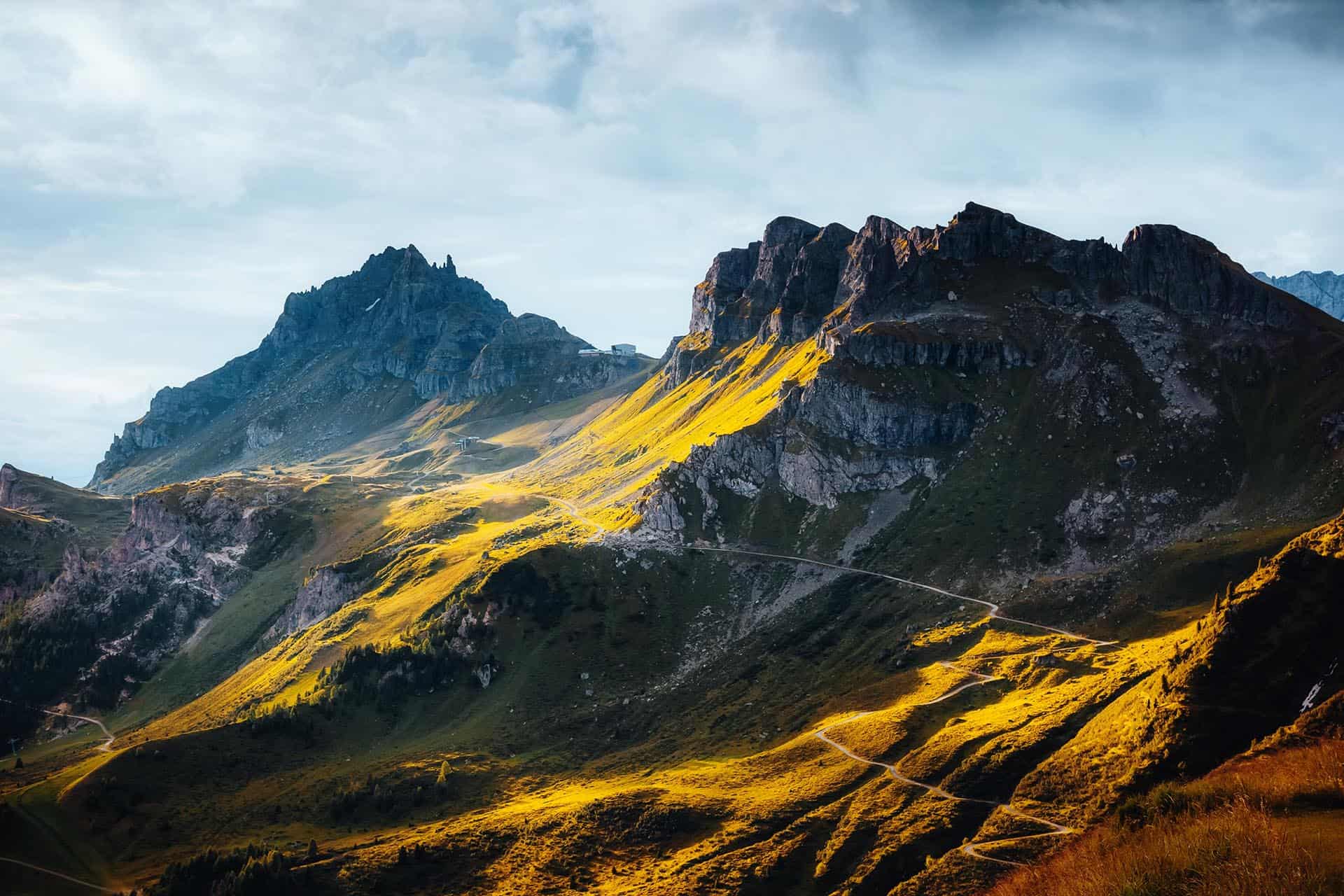
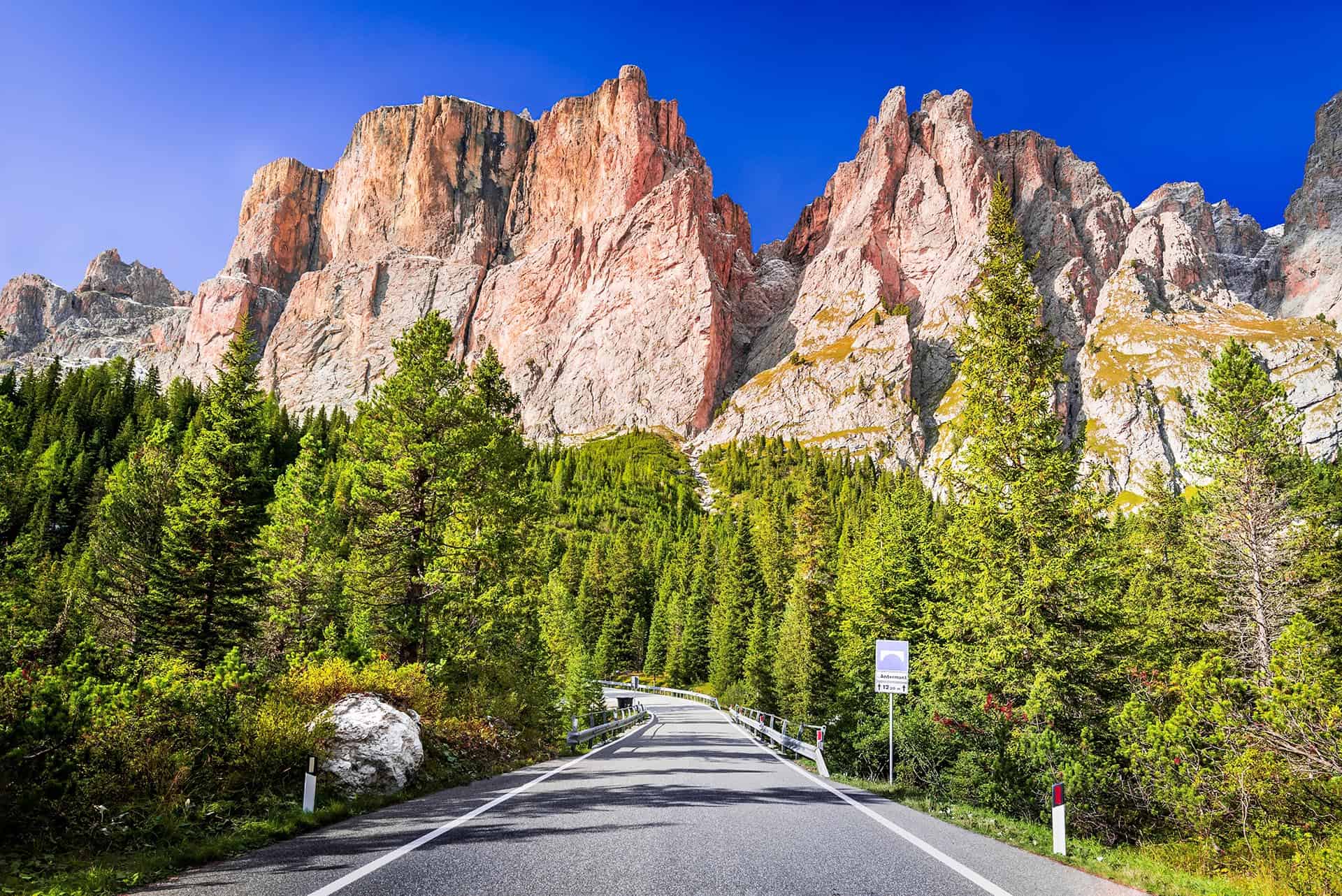
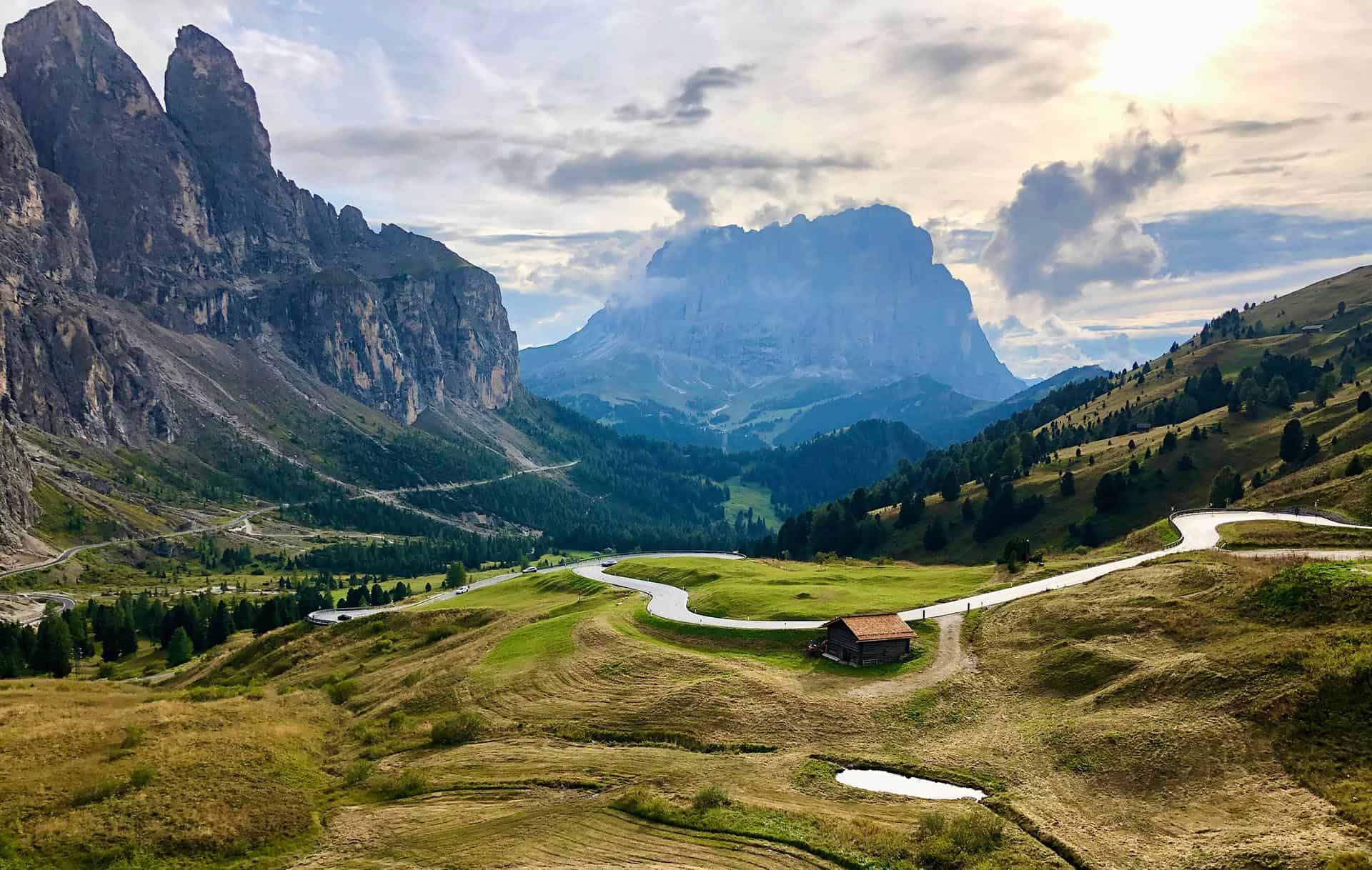
A broad valley road can quickly turn into a run of hairpins beneath huge rock faces, before dropping into a village where it makes sense to stop for lunch. The best Dolomites driving routes link a few great passes with time for the views, the stops and the slower sections in between.
This guide focuses on the passes: the Great Dolomite Road, the Sella Ronda loop and standout roads including Passo Giau, Falzarego and Fedaia. For a wider regional overview and help shaping a full trip, start with our Dolomites road trip guide.
The Dolomites as a driving destination
When you give them enough time, the Dolomites work best.
The Dolomites are mountain roads first and foremost, with hairpins, long climbs, narrower sections and busy periods around popular passes. A route that looks straightforward on the map can take longer once you add cyclists, coaches, changing weather, roadworks and photo stops.
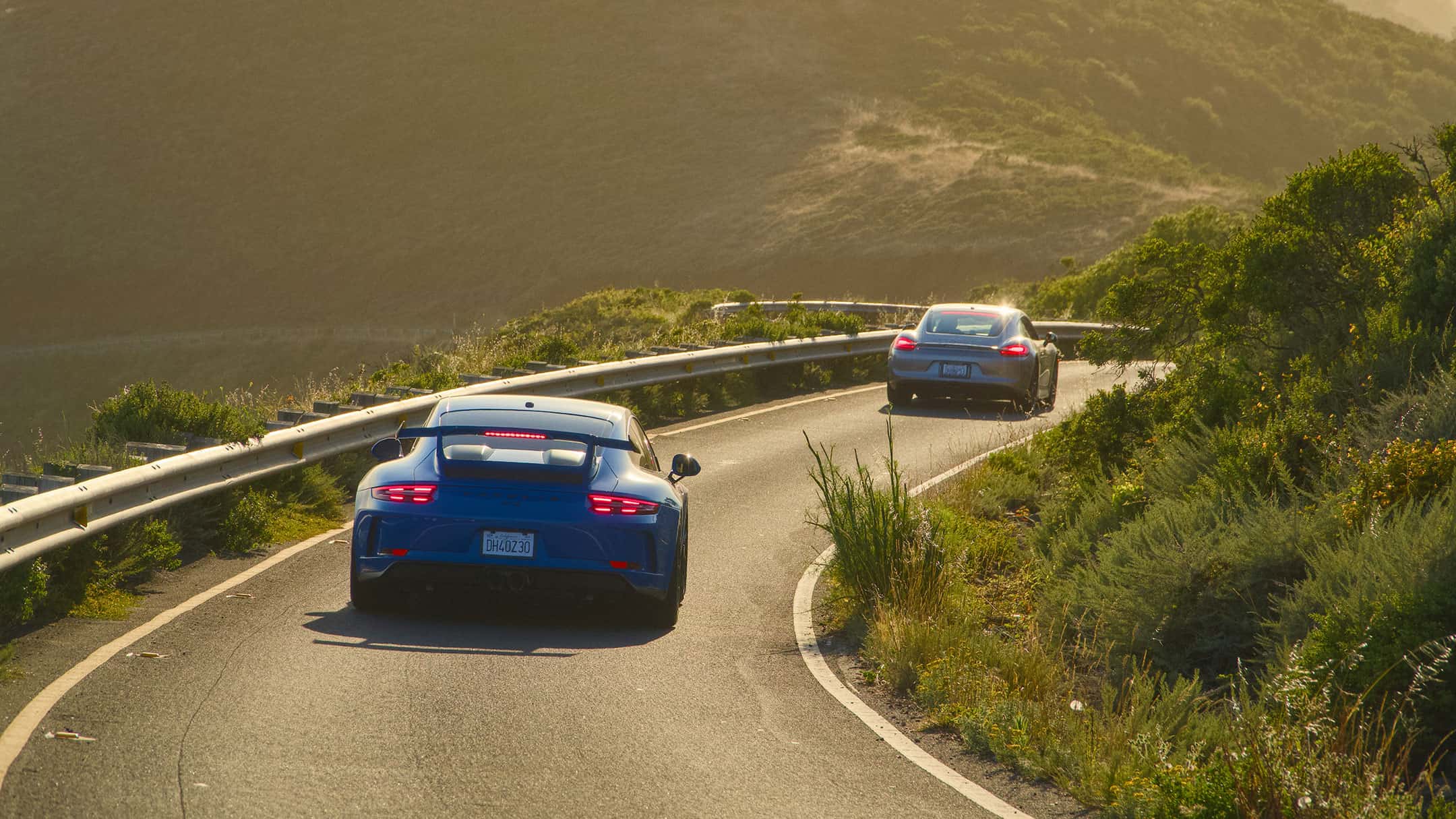
From open bends above the valleys to tighter climbs towards the passes, the road and scenery work together here. If you are driving a low, wide or fragile car, check the route, parking and accommodation access before you go.
The Great Dolomite Road (SS48) explained
The Great Dolomite Road is the traditional spine of a Dolomites road trip.
The SS48 runs through the heart of the region, linking Val di Fassa, Canazei, Passo Pordoi, Arabba, Falzarego and Cortina d’Ampezzo. It gives you a strong route through changing landscapes, with villages, mountain scenery and plenty of options to turn off towards other passes.
It is a useful road to build around rather than aim to complete in a single day. The Pordoi section above Canazei brings a long series of hairpins, while the Falzarego side adds higher, more open scenery on the approach to Cortina. Traffic can build in summer, so an early start gives you more time to enjoy the quieter surroundings.
Use the SS48 as the backbone, then decide which detours suit your time. You can make it a relaxed point-to-point route between bases, or use parts of it to join the Sella Ronda, Passo Giau or Fedaia into a two or three-day drive.
The Sella Ronda pass loop: Pordoi, Sella, Gardena and Campolongo
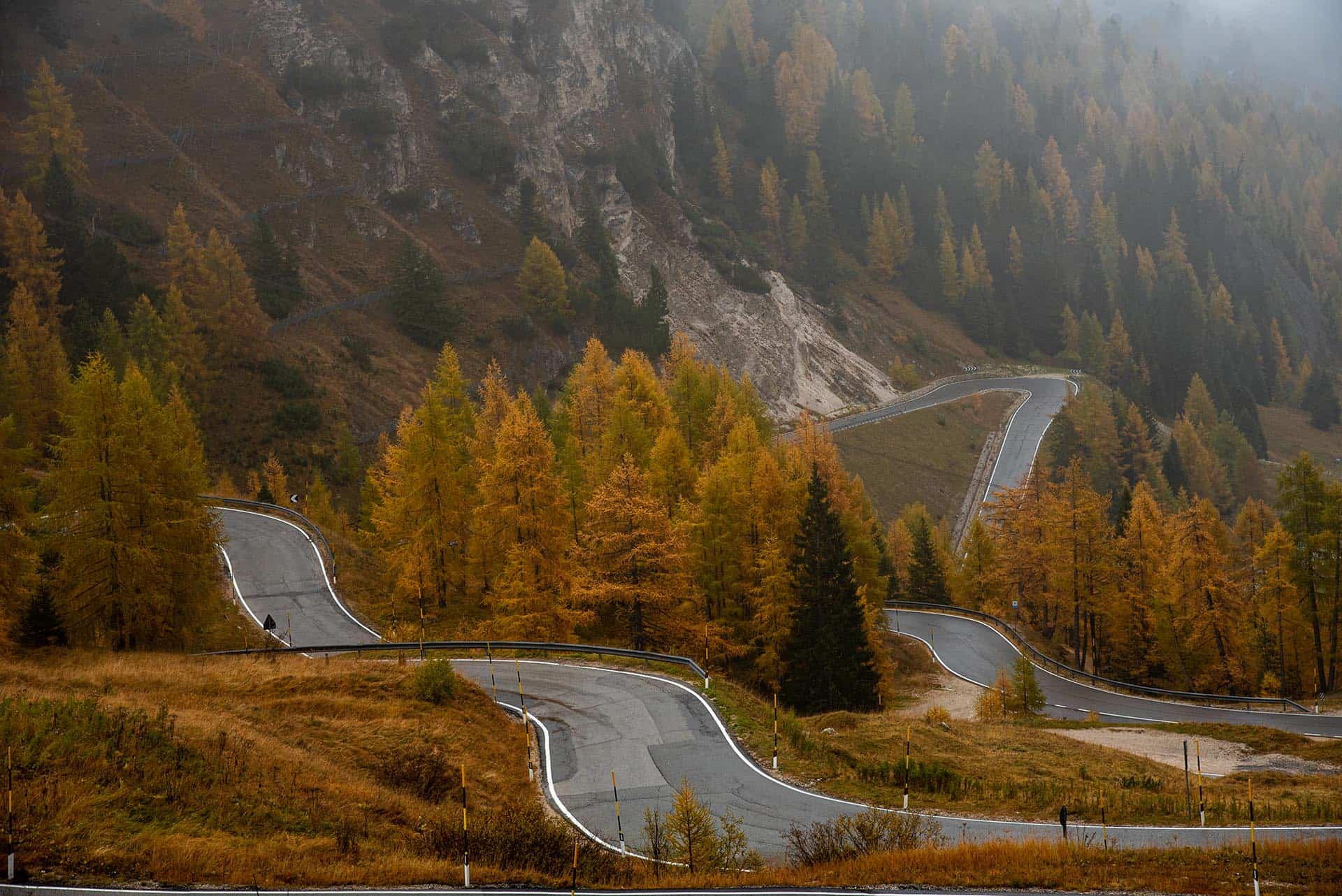
The Sella Ronda is the classic Dolomites pass loop, circling the Sella massif via Passo Pordoi, Passo Campolongo, Passo Gardena and Passo Sella. It links Val di Fassa, Arabba, Alta Badia and Val Gardena in a full day of mountain driving.
Each pass brings something different, from the long climb out of Canazei on Pordoi to the more open crossing at Gardena and the dramatic backdrop around Sella. The loop suits a normal road car, but hairpins, cyclists, motorbikes, coaches and pass-top parking all need a little patience.
Check the local events calendar before you set off, as cycling events can close parts of the Sella Ronda to motor traffic.
Standout individual passes: Giau, Falzarego and Fedaia
Passo Giau
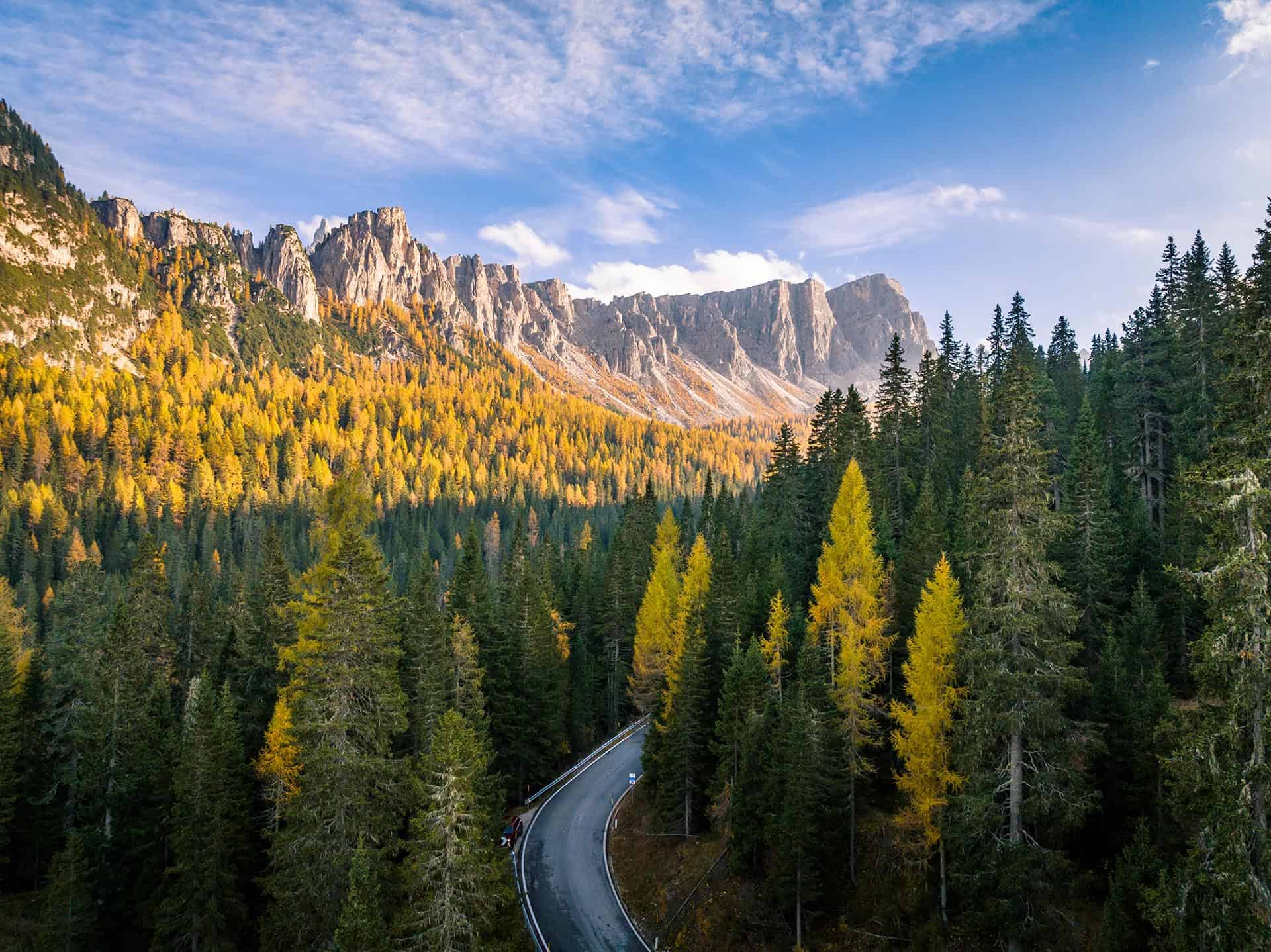
Passo Giau is a proper driving road, with open views and a long run of bends between Cortina d’Ampezzo and Selva di Cadore.
It is not especially technical in the same way as a narrow single-track route, but it is demanding enough to deserve your attention. The corners come regularly, the climb is sustained and the road can be busy in peak season. It suits drivers who are happy with hairpins and a little more exposure, but it is best enjoyed without trying to maintain a schedule.]
Passo Falzarego
Falzarego is a natural addition to a Cortina or Arabba-based route. It connects the area around Cortina with the road towards Livinallongo and the Sella group, with 13 hairpins on the SS48 climb from Cernadoi.
It is a more practical pass than some of the tighter alternatives, but it still has plenty of character. Pair it with the Great Dolomite Road or use it as part of a loop with Giau and Cortina. When weather conditions allow, Falzarego can remain accessible in winter, but that should never be assumed. Check the current pass status before starting your journey.
Passo Fedaia
Fedaia runs beneath the Marmolada, linking Canazei with the Rocca Pietore side of the mountains. It is a striking road to add that offers a different feel from the Sella Ronda, with the reservoir and Marmolada creating a memorable backdrop.
The route is less about a quick run and more about the setting. It can work well as an extra loop from Canazei or Arabba, though you should allow enough time to avoid turning it into an add-on at the end of a full day.
Linking the passes into a two to three-day driving route
Two days is enough to enjoy a good spread of Dolomites mountain passes. Three days gives you more opportunity to stop, adapt to the weather and avoid a long drive to every road from your accommodation.
Day 1: the Sella Ronda loop
Base yourself around Canazei, Arabba, Corvara or Selva di Val Gardena, then drive the Sella Ronda. Start early, pick a direction that suits your accommodation and stop at a couple of places rather than every viewpoint.
This is the day for Pordoi, Campolongo, Gardena and Sella. Keep the plan flexible, as traffic and parking can change how long each section takes.
Day 2: Falzarego, Giau and Cortina
Head towards Falzarego and Cortina, then add Passo Giau if conditions and your available time allow. This area offers different character from the Sella loop, with more open high-road sections and a strong mix of driving and stops.
Cortina can make a useful lunch or overnight stop, but do not assume town-centre parking will be simple in busy periods. Check access and parking arrangements beforehand.
Day 3: Fedaia and a slower return
Use the third day for Passo Fedaia, a return through Val di Fassa or a quieter loop featuring the roads you enjoyed most. You don’t need another major pass just because you have an extra day. This is a good chance to keep the mileage lighter and take in the smaller roads, villages and mountain stops around your base.
For other routes across the country, see our Italy road trips.
If you are fitting the Dolomites into a shorter European escape, our piece on why you don’t need five days in The Apls can help shape the plan.
When to go and pass closures to consider
Late spring to early autumn is generally the easiest time to plan a Dolomites driving trip, but the exact experience changes through the season.
Summer brings longer days and more reliably open high roads, but also more visitors, cyclists and pressure on parking. September can be a suitable time to drive, with cooler temperatures and fewer holiday crowds in some areas, although conditions can change quickly, especially at altitude.
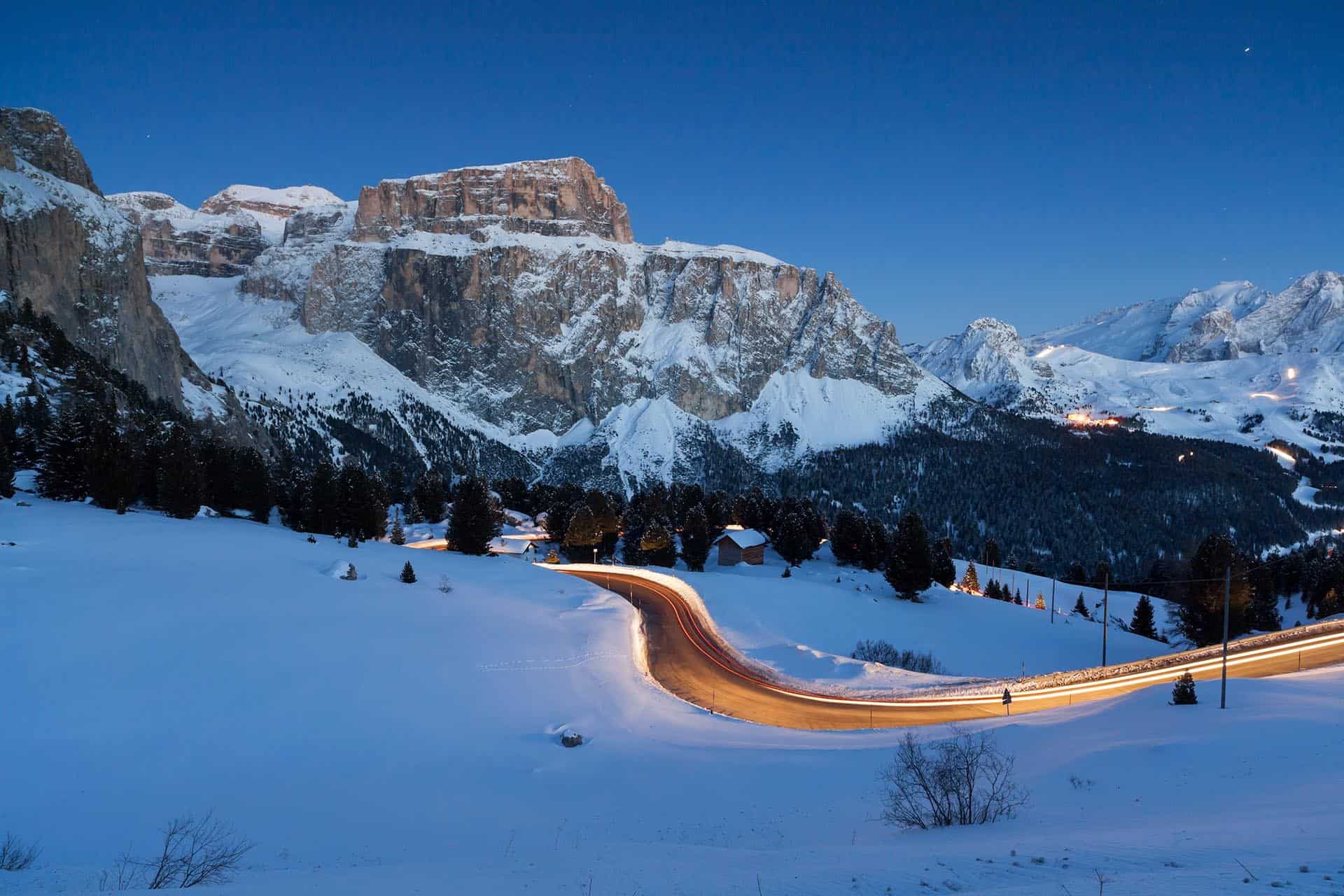
Winter is different. High passes can be closed after snowfall and local winter-equipment rules apply. Dolomiti Superski advises that winter tyres or snow chains are required in the Dolomites between mid-November and mid-April.
Do not plan around a pass being open simply because it was open last year. Check local road information, weather, event notices and your route on the day, particularly if you are travelling outside the main summer season.
Build your Dolomites route with New Roads
The Dolomites reward a route built around the car you are actually taking.
Tell New Roads where you’re staying, how many days you have and which passes you want to include. It can then help build a bespoke driving itinerary with roads, stops, accommodation suggestions and petrol or electric vehicle information where supported.
Before committing to tighter hairpins or a longer mountain loop, review your vehicle suitability report as an advisory check. You can then tweak the trip in the AI chat, save it in My Trips and export it to Google Maps or GPX where available.
For a wider cross-Channel plan, see our best European road trips. Or explore the features of New Roads and build your Dolomites driving route around the passes you genuinely want to drive.
AI can make mistakes. Always check routes, parking, access, weather, tides, local restrictions, accommodation and vehicle suitability before travelling.
Dolomites driving routes FAQs
- What are the best driving routes in the Dolomites?
The Sella Ronda, Great Dolomite Road, Passo Giau, Falzarego and Fedaia are all strong choices. A two or three-day route lets you link several passes without trying to cover too much in a single day.
- What is the Sella Ronda by car?
The Sella Ronda is a road loop around the Sella massif, using Passo Pordoi, Campolongo, Gardena and Sella. It is a full day of mountain driving with hairpins, high passes and changing views.
- What is the Great Dolomite Road?
The Great Dolomite Road follows the SS48 through key parts of the Dolomites, including Canazei, Passo Pordoi, Falzarego and Cortina d’Ampezzo. It is a useful backbone for joining several of the region’s best-known roads.
- Which Dolomites passes are best to drive?
Pordoi, Sella, Gardena and Campolongo make up the classic Sella Ronda loop. Giau, Falzarego and Fedaia are all worthwhile additions if you have more time.
- Is Passo Giau hard to drive?
Passo Giau has sustained climbs and regular hairpins, but it is suitable for many confident drivers in a standard road car. Take your time, particularly in busy conditions or poor weather.
- How many days do you need to drive the Dolomites?
Two days is enough for the Sella Ronda and a second route around Falzarego or Giau. Three days allows a more relaxed pace and room for Fedaia, Cortina or extra stops.
- When is the best time to drive the Dolomites passes?
Summer and early autumn are popular for longer days and easier access to higher roads. Check local weather, events and pass status before travelling, as conditions and closures can change.
- Are the Dolomites passes open in winter?
Some passes remain open when conditions allow, while others can close temporarily or for longer periods after snow. Winter tyres or snow chains are required in the Dolomites between mid-November and mid-April, so check the current rules and pass status before setting off.