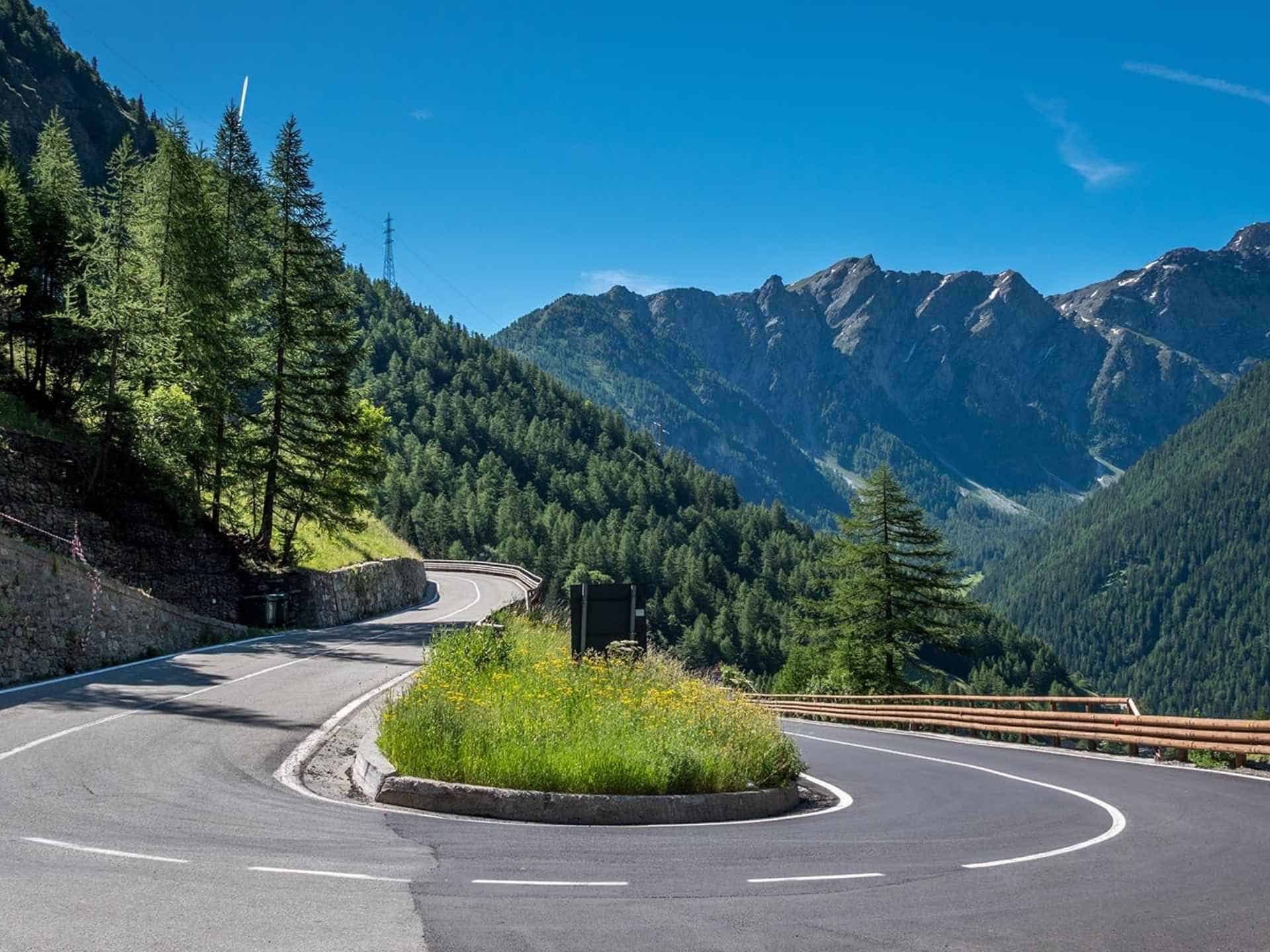
How to choose the right road trip route for your car
A memorable road trip is rarely defined by where you finish.
It is shaped by the roads you choose, the rhythm of the day and how well the journey suits the car beneath you. Choosing the right road trip route gives you enough time to enjoy the best sections, places useful stops where you need them and turns the drive into something more rewarding than simply getting from A to B.
That is the thinking behind New Roads. Rather than defaulting to the fastest available option, it helps you shape a hyper-personalised journey around your car, your timing and the kind of driving you genuinely enjoy.
Start with the experience you want

Before opening a map and wondering how to plan a road trip, decide what the drive should feel like.
You might be planning:
- A quiet Sunday loop
- A full-day scenic drive
- A multi-day European road trip
- A journey built around a hotel, restaurant or event
- A drive designed for a particular car
- A relaxed family road trip with useful stops
- An electric vehicle journey with charging built into the plan
Each requires a different approach.
A narrow, technical road that feels rewarding in a lightweight sports car on a dry morning may be less enjoyable in a larger vehicle, difficult weather or a tightly packed itinerary. Equally, a fast motorway journey can still feel tiring if it is monotonous and leaves little energy for the roads you travelled to experience.
Start by deciding what you want more of:
- Open scenery
- Quiet roads
- Flowing bends
- Places to eat
- Viewpoints
- Landmarks
- Time behind the wheel
- A relaxed arrival
The clearer the purpose of the journey, the easier it becomes to choose roads that support it.
Do not let the fastest route make every decision
Conventional navigation tools are invaluable when the priority is reaching a destination efficiently.
A road trip asks a different question.
The fastest route may be the right choice for leaving a city, covering an unremarkable stretch or reaching the beginning of the drive before traffic builds. But if every decision is based on speed, it is possible to cross an entire region without experiencing much of it.
Motorways and major roads still have a place. Used well, they create time for the sections that matter. The aim is not to avoid them at all costs, but to use them deliberately.
Build your trip in four sections
A useful way to shape a road trip is to divide it into four parts.
1. The efficient section
This is where you cover necessary ground.
It might be the motorway out of town, a familiar road near home or a direct connection between two more rewarding areas. It should support the journey without taking more time than it deserves.
2. The enjoyable section
This is the heart of the drive.
It contains the roads, landscapes and moments that made you plan the journey in the first place. Give this section enough time and avoid placing it at the end of an exhausting day.
3. The reset section
This is where the practical details help the day flow.
A well-positioned coffee stop, lunch reservation, petrol station, charging point or viewpoint gives the driver and passengers time to pause before the next section.
4. The arrival section
The final part of the journey should not feel like a test of endurance.
A simpler closing leg can help you arrive at a hotel, restaurant or home feeling satisfied rather than tired or frustrated.
This framework makes the route feel considered without turning the day into a rigid schedule.
Match the roads to your car
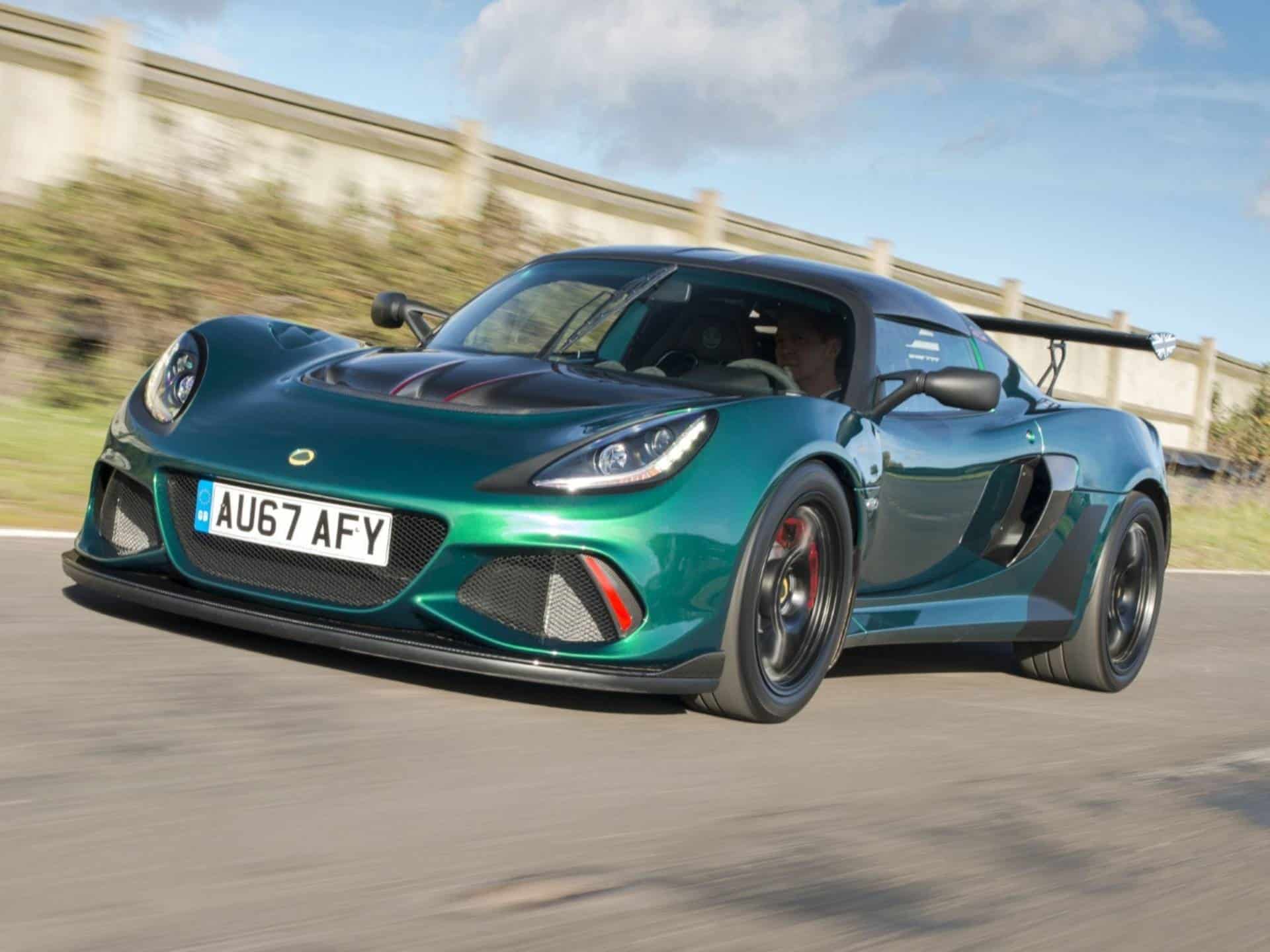
The right journey depends heavily on what you drive.
A hot hatch, low sports car, electric vehicle, SUV, classic or supercar can all deliver a memorable road trip, but they will not necessarily suit the same roads.
Consider:
- Vehicle width and length
- Ride height and ground clearance
- Road width
- Surface type and quality
- Steep gradients
- Tight hairpins
- Speed humps and other traffic calming
- Parking at planned stops
- Luggage requirements
- Fuel range or charging needs
- Whether the car feels most at home on flowing A-roads or tighter lanes
A narrow road may look appealing on a map but feel unnecessarily stressful in a wide car. A rough scenic detour may suit an SUV while offering little enjoyment in a low sports car. A route with frequent charging options may work well for one electric vehicle but create range concerns in another.
Where relevant data is available, New Roads can use the vehicle details saved in My Garage to help you review potential suitability considerations. These may include vehicle dimensions alongside available information about the roads on the route.
The Suitability Report can provide useful context before departure, but it should not be treated as a guarantee. Vehicle modifications, temporary damage, weather, closures and changing road conditions may not always be reflected in planning data.
Always review the journey yourself before setting off.
Plan around time, not mileage alone
One of the easiest planning mistakes is assuming that distance tells you how demanding a drive will be.
A 120-mile journey can feel relaxed when it uses open roads and includes well-timed stops. A 60-mile route can feel exhausting when it crosses busy towns, narrow lanes and slow traffic.
Ask yourself:
- How long do I genuinely want to spend driving?
- How much time do I want outside the car?
- Would I prefer one long section or several shorter drives?
- Will I still be fresh enough to enjoy the best roads?
- Is the final leg simple enough?
- Can I shorten the route if conditions change?
For a full-day drive, avoid filling every minute. Leave room for slower traffic, photographs, food, fuel, charging, changing weather and the occasional wrong turn.
Choose roads with character
The best road-trip routes usually combine different types of road.
An itinerary made entirely from narrow back roads can become tiring. One built only from major roads may feel forgettable. The balance often lies between the two: roads with enough space to enjoy the car, scenery that gives the journey a sense of place and practical connections that keep the day moving.
The A82 through Glencoe is a good example. It carries regular traffic and can become busy during peak periods, yet its scale and mountain setting give the drive a powerful sense of arrival.
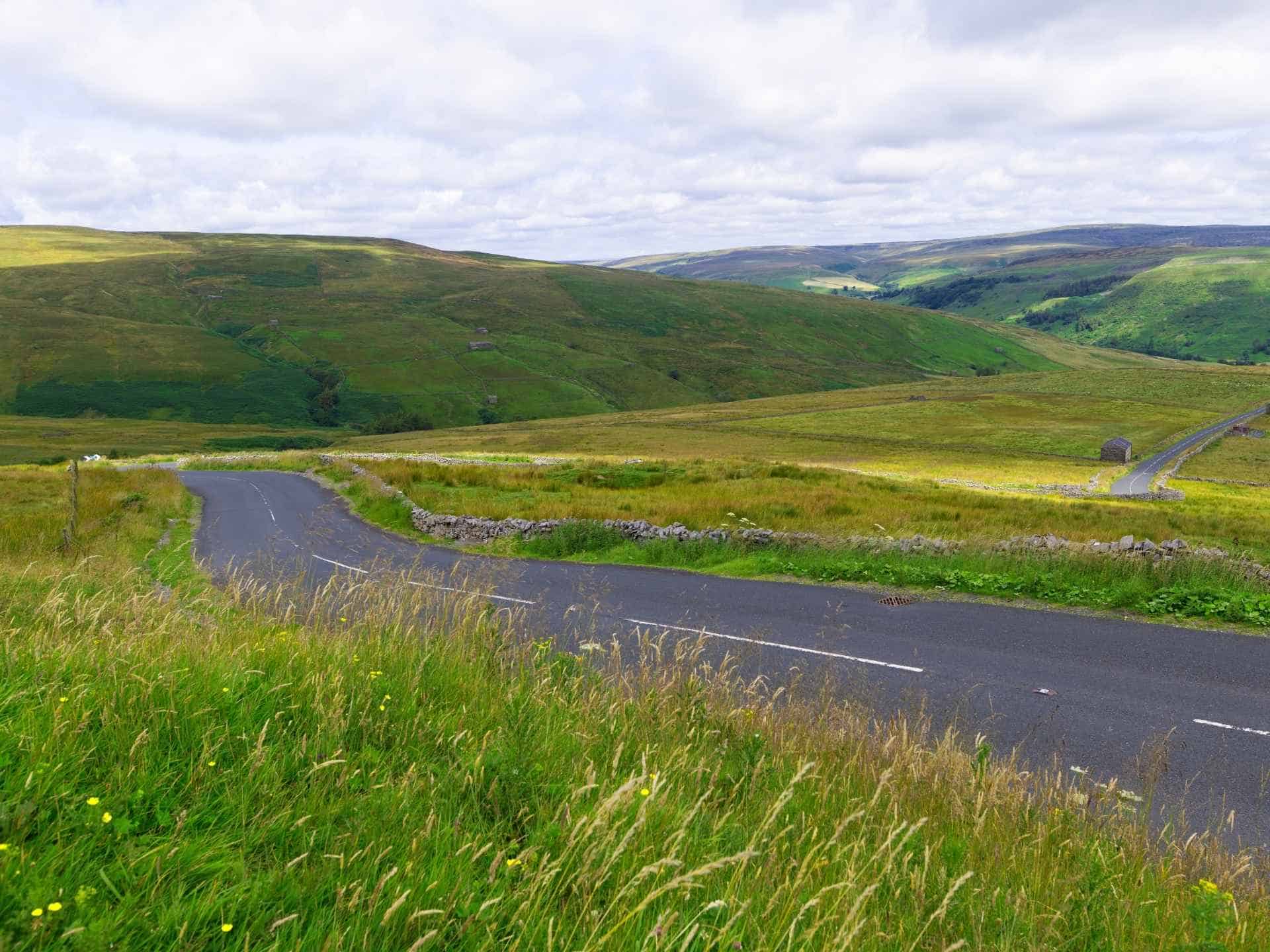
Buttertubs Pass in the Yorkshire Dales offers a different character. It is shorter, narrower and more exposed, so both the conditions and the vehicle matter.
Snake Pass brings broader moorland scenery and changing gradients, while roads through North Wales can combine flowing sections, tighter bends, open views and forested landscapes within the same day.
Famous road names can provide inspiration, but they should not dictate the entire plan.
Sometimes the most rewarding section is the quieter road linking two stops, the alternative that avoids a dull main route or the stretch that gives the car space to settle into a natural rhythm.
Look for:
- Scenic A-roads with space and visibility
- Quieter B-roads that suit the car and conditions
- Coastal, mountain or forest sections
- Roads with natural places to pause
- Villages, viewpoints and landmarks that break up the day
- Loops that avoid unnecessary retracing
The goal is to create a journey where every section has a purpose.
Be specific when using a scenic route planner
The quality of an AI-generated route depends partly on the quality of the brief.
A broad request such as:
“Plan a scenic route from Guildford.”
gives the planner very little to work with.
A more useful prompt would be:
“Plan a three-hour scenic loop from Guildford for a low sports car, with flowing A-roads, a good coffee stop, open viewpoints and no very narrow lanes where possible.”
Rather than saying:
“Avoid motorways.”
try:
“Use motorways only where they help us leave town efficiently, then prioritise scenic A-roads and quiet B-roads with sensible stops.”
Useful details might include:
- Your starting point
- The time available
- Your vehicle
- Preferred road types
- Roads you want to avoid
- Food or coffee stops
- Petrol or charging requirements
- Passenger needs
- Whether you want a loop
- The preferred balance between driving and stopping
The more clearly you describe the experience, the more closely the journey can reflect it.
Plan stops before you need them

Stops are part of the experience, not interruptions.
A well-positioned stop gives the day a natural pause. It allows you to reset, enjoy the surroundings and begin the next section with more energy.
A poorly positioned stop can pull you away from the best road or leave you searching for fuel, charging or food when you are already tired.
Consider:
- Coffee
- Lunch
- Petrol
- Electric vehicle charging
- Toilets
- Viewpoints
- Hotels
- Restaurants
- Attractions
- Safe places to stop and review the route
New Roads can help you identify points of interest, accommodation, restaurants, petrol stations and charging locations where relevant information is available.
Always confirm opening times, access, availability, charging compatibility and booking requirements directly before relying on a particular stop.
Consider the direction of travel
Some routes feel different depending on which direction you drive them.
Direction can affect the views, traffic, sunlight, stopping opportunities and the way the landscape reveals itself.
For example, many drivers choose to travel the NC500 anticlockwise so the scenic western section arrives later in the journey.
On coastal roads, the side of the road closest to the landscape can also influence the experience. California’s Highway 1 is often driven southbound because the Pacific remains closer to the passenger side and many viewpoints are easier to access.
Local traffic rules, closures and conditions should still determine the final plan.
When choosing a direction, consider:
- Where the sun will be at important times
- Whether you want the most scenic section early or late
- Where food, fuel and charging stops sit naturally
- How demanding the final section will be
- Whether the route can form a satisfying loop
An out-and-back drive can still work well, particularly when a road feels different in each direction. A loop often gives the day a stronger sense of progression.
Check the season and conditions
The same road can offer a very different experience from one season to the next.
Summer brings longer days, but often more traffic. Autumn can bring beautiful light alongside wet leaves and debris. Winter may introduce ice, poor visibility, closures and shorter driving windows. Spring can be quieter, although conditions can still change quickly.
Seasonal planning is particularly important on mountain roads.
Alpine passes such as Furka, Stelvio and the Grossglockner High Alpine Road normally close during winter, but their exact opening and closing dates depend on snow, maintenance and local conditions. The Transfăgărășan in Romania is also subject to seasonal and temporary closures.
Never build a journey around a mountain pass based solely on its normal operating season.
Check the official live status when planning, again shortly before departure and once more on the day.
Before setting off, check:
- Weather
- Road closures
- Seasonal restrictions
- Parking
- Fuel and charging availability
- Ferry or train times
- Vehicle suitability
- Daylight hours
- Any road that is central to the trip
No road-trip planner should be treated as a live conditions report. After choosing a road trip route, use current navigation, official road updates, local signage and your own judgement while driving.
Leave space for the unexpected

A route should give the journey structure without turning it into a spreadsheet.
If every stop is planned to the minute, the day becomes fragile. A late coffee, unexpected traffic or a viewpoint worth lingering at can make the entire itinerary feel behind schedule.
A well-balanced plan should include:
- A clear start and finish
- The roads that matter most
- A small number of meaningful stops
- A realistic driving window
- A backup if conditions change
- A simple way to shorten the journey
The strongest plan gives you confidence while leaving enough freedom for the road trip to feel spontaneous.
Common route planning mistakes
Choosing a better route often begins with avoiding the wrong assumptions.
Common mistakes include:
- Selecting the fastest route by default
- Adding too many stops
- Planning by distance rather than time
- Changing hotels every night when one well-placed base would work better
- Spending every day travelling to a destination rather than exploring the roads around it
- Carrying unnecessary luggage on a route better suited to a lighter car
- Forgetting petrol or charging requirements
- Assuming every scenic road will suit every vehicle
- Leaving the most rewarding section until the driver is tired
- Failing to create a shorter backup route
A little more thought before departure can make the day feel considerably easier once you are behind the wheel.
Road trip route checklist
Before setting off, ask:
- Does the plan match the kind of drive I want?
- Does it suit the car I am taking?
- Have I checked closures and current conditions?
- Are petrol or charging stops realistic?
- Does the chosen petrol station sell the fuel my car requires?
- Are restaurants, hotels and attractions open and available?
- Is the plan too ambitious for the time available?
- Do I know which section matters most?
- Is there a simpler alternative if conditions change?
- Have I reviewed the route in detail?
- Will I use live navigation and follow local signage on the day?
Refine anything that remains unclear before you leave.
How New Roads helps you shape the journey
New Roads is built for people who care about the drive, not simply the destination.
Tell the AI chat what you drive, where you want to begin, how much time you have and what kind of roads appeal to you. It can then help shape a bespoke journey around your vehicle, preferences and available time.
You might begin with:
“Plan a five-hour scenic loop from the Cotswolds for a low sports car, with flowing roads, a good lunch stop and no very narrow lanes where possible.”
You can then refine the result:
- Make the journey more scenic
- Reduce motorway time
- Add a petrol or charging stop
- Turn the plan into a loop
- Remove an unnecessary stop
- Find roads better suited to the car
- Add accommodation near the finish
Depending on available features and coverage, New Roads can also help you:
- Plan bespoke road trips through AI chat
- Shape journeys around your preferences
- Include the vehicle saved in My Garage
- Review suitability information
- Add, remove or adjust stops
- Find points of interest, hotels and restaurants
- Identify petrol and charging locations
- Save plans in My Trips
- Export routes using supported map and navigation options
Route links can be exported to Google Maps for navigation support. Google Maps or another navigation system may recalculate parts of an exported route, so always review the result before departure.
GPX export may also be available for compatible devices and systems.
When choosing a road trip route, start with the kind of journey you want, then shape it around your car, your timing and the roads worth making time for.
Less time planning. More time driving.
Find out more about how it works and plan your next road trip with New Roads.
AI can make mistakes. Always check routes, live road conditions, closures, local rules, parking, bookings and vehicle suitability before travelling.
Road trip route planning FAQs
- What is the best way to choose a road trip route?
Begin with the experience you want, then work backwards.
Consider the car, available time, scenery, road type, planned stops, petrol or charging needs and how demanding the journey will feel. Do not choose the fastest option automatically.
- Should I use a road trip route planner?
A road trip route planner can help you move beyond basic A-to-B directions.
New Roads is designed to help drivers shape bespoke journeys around their preferences, vehicle and travel style, then refine the plan before setting off.
- How do I plan a scenic road trip route?
Choose one or two important scenic sections first, then build the rest of the journey around them.
Add practical stops, check the timing and make sure the completed plan still suits the car, passengers and driver’s energy levels.
- How many stops should a road trip include?
There is no fixed number. A few well-chosen stops are usually better than a long list of places you barely have time to experience. Each stop should support the rhythm of the day.
- Can New Roads check whether a route suits my car?
New Roads can use vehicle details in My Garage and available road data to help identify potential suitability considerations.
It cannot guarantee that every road will suit every vehicle or reflect every live condition. Always review the route, consult the Suitability Report where available and confirm important details before driving.
- Does New Roads replace live navigation?
No. New Roads helps with road-trip planning, route shaping and export. Live navigation should still be used while driving, alongside official road information, local signage and current conditions.