2-Week Europe Road Trip from the UK
With two weeks available, a European road trip can be built around the roads, regions and stops you are most keen to experience.
You can get beyond the first motorway day, experience the places you have travelled to see and still leave room for roads that make the drive memorable. It is long enough for a multi-country route through France, the Alps and northern Italy, with a few days where the car stays parked and you explore properly.
The trick is keeping the route focused. A two-week Europe road trip from the UK can cover a lot of ground, but the best version is not a country-count challenge. Pick a clear direction, use longer driving days where they make sense and build in a couple of base days to keep the pace manageable.
This grand-tour route uses France, Switzerland and Italy as its backbone. It can be adapted towards Germany or Spain, depending on the roads and stops you want to prioritise.
What two weeks in Europe makes possible
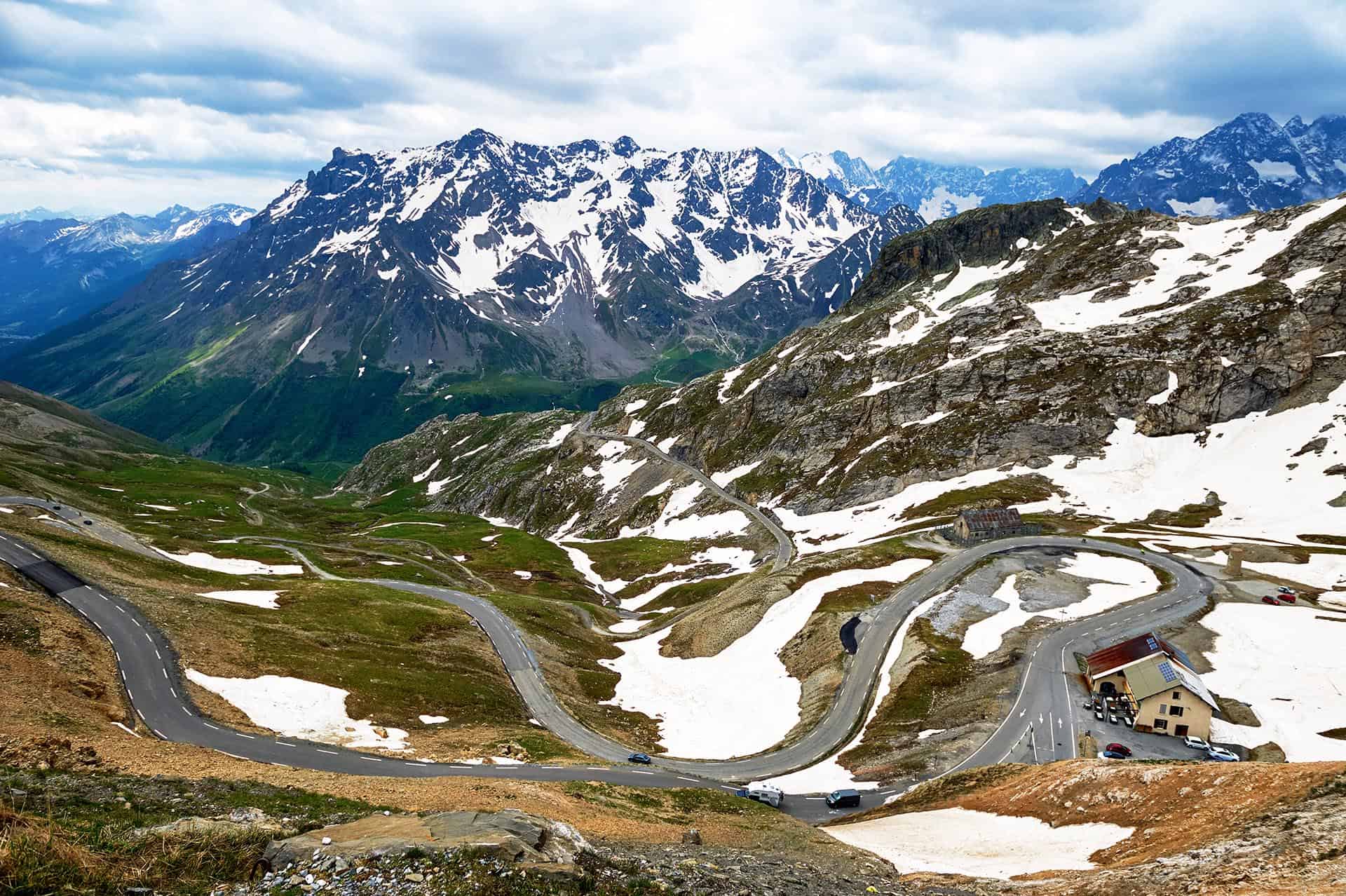
A fortnight gives you room to travel through several regions without checking in to a new hotel every night.
For most drivers, that means choosing three or four main areas and giving each one time. You might start with a night in northern France, then spend a few days in the Alps before heading into Italy for the Dolomites, Emilia-Romagna or the lakes. The return can take a different line through France or Germany, turning the journey home into part of the trip.
A two-week Europe road trip also gives you more choice around the car you are taking. A grand tourer or estate may suit the longer autoroute sections and luggage, while a smaller sports car can be brilliant once the roads start to bend and climb. An electric vehicle can work well too, providing you plan charging around the route, overnight stays and the more remote mountain sections.
The best approach is to keep a balance between drive days and base days. A slower afternoon in a French town or a second night in the same hotel can make the overall trip feel far more relaxed.
If you have less time, see our 7 day Europe road trip from the UK.
Getting across
For a longer European tour, the Channel Tunnel is often the simplest way to start.
The crossing from Folkestone to Calais takes around 35 minutes, compared with roughly 1 hour 40 minutes for the quickest Dover to Calais ferry crossings.
A ferry can still make sense if the sailing times suit your plans, you want a break before driving or your route starts further west in Normandy or Brittany. The key is deciding where you want to spend your first night, then choosing the crossing that works for the route ahead.
Ensure paperwork, insurance, vehicle documents and country-specific kit is sorted before you leave.
See our best European road trips for further inspiration.
The grand-tour route: a multi-country loop through France, the Alps and beyond
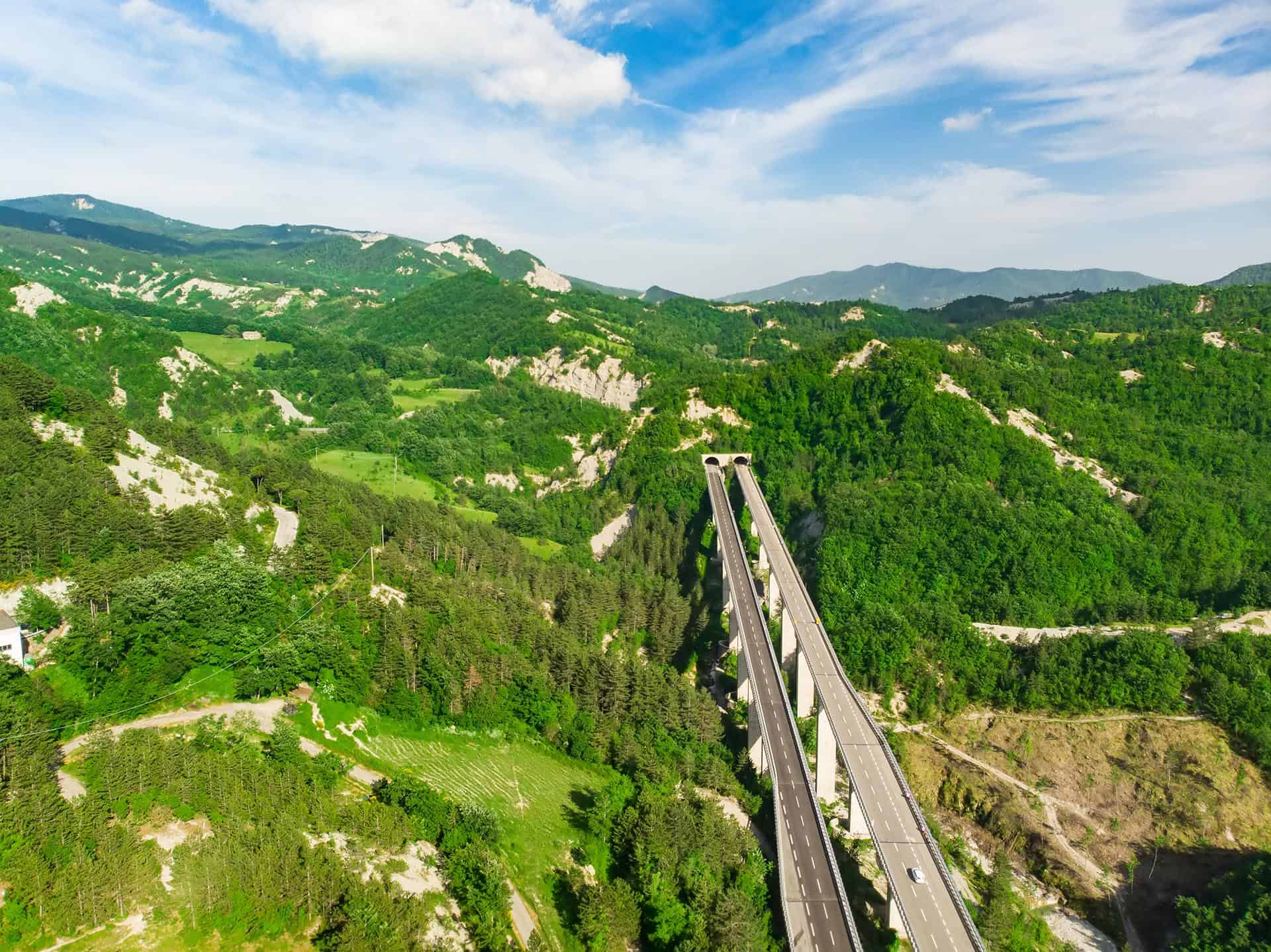
This route is built as a flexible loop through France, Switzerland and Italy. It gives you mountain roads, smaller towns, food stops and enough time to enjoy the places between the driving.
A sensible outline could look like this:
- Day 1: UK to northern France
- Day 2: Northern France to Champagne or Alsace
- Day 3: Alsace to Switzerland
- Day 4: Swiss Alps base day
- Day 5: Switzerland to northern Italy
- Day 6: Northern Italy base day
- Day 7: Into the Dolomites
- Day 8: Dolomites pass route
- Day 9: Dolomites to Emilia-Romagna or Lake Garda
- Day 10: Italian base day
- Day 11: Italy to the French Alps or eastern France
- Day 12: France base day or a slower regional drive
- Day 13: Northern France
- Day 14: Calais and home
The exact route depends on various factors, including the time of year, the car and the roads you want to drive. The important thing is that it gives each part of the trip a purpose, rather than treating France, Switzerland and Italy as places to blast through on the way to somewhere else.
Start with our France road trip for ideas on building the French part of the journey. France is useful for covering distance, but it also offers enough variety to make the outward or return route a highlight in its own right.
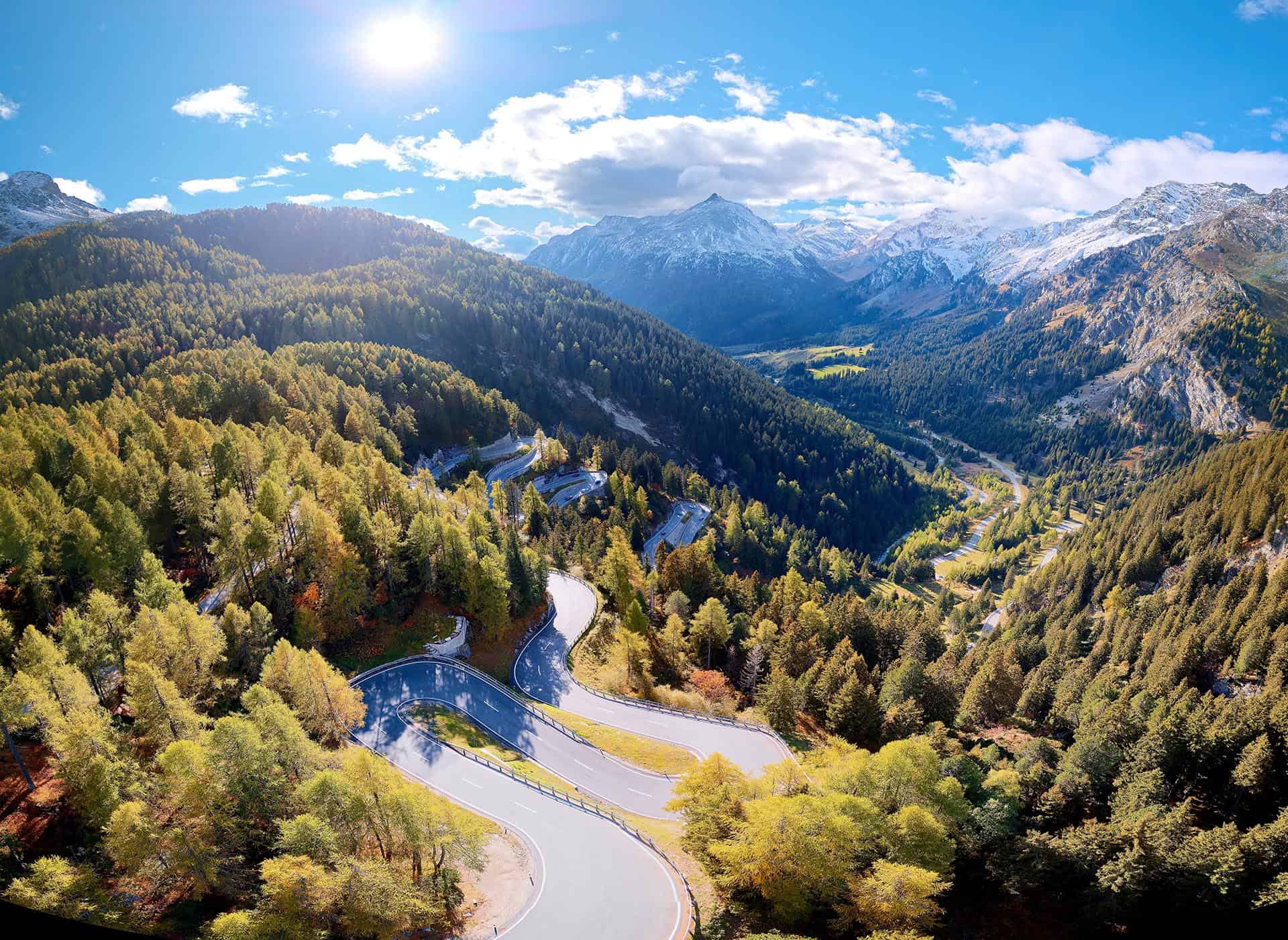
The Swiss section is where the trip can start to feel properly Alpine. You might build around a few mountain roads or a lakeside base, depending on the season and your confidence on higher routes. See our Switzerland road trips for more regional ideas.
Italy gives you a choice. Head towards the Dolomites for mountain passes, hairpins and high roads, or choose Emilia-Romagna for rolling countryside, authentic food and automotive history. Our Italy road trips guide can help you decide which direction suits your trip.
Pacing a fortnight: drive days, base days and the route
A two-week road trip is most enjoyable when the driving days and slower days are well balanced.
Use the first few days to cover ground. The run from Calais through France and towards the Alps is where the faster roads earn their place. They make the practical mileage manageable and help you reach the regions where you want to spend more time.
Once you reach the Alps or northern Italy, slow things down. Plan at least two base days across the fortnight, ideally in places where you can leave the car parked for an evening and drive a loop the following day. A base in the Dolomites, for example, gives you room to choose a few passes without moving accommodation every morning.
A realistic day can vary from 100 miles on a mountain route to 300 miles or more on a motorway-heavy transfer day. The road, weather, traffic and car all matter more than one fixed target. A 150-mile day through the Alps can feel fuller than 350 miles on the autoroute.
Leave space for changes too. A pass may be closed or you might find somewhere worth staying another night. A flexible itinerary is easier to adjust when the original plan is not packed to the hour.
Adapting the loop for Italy, Germany or Spain
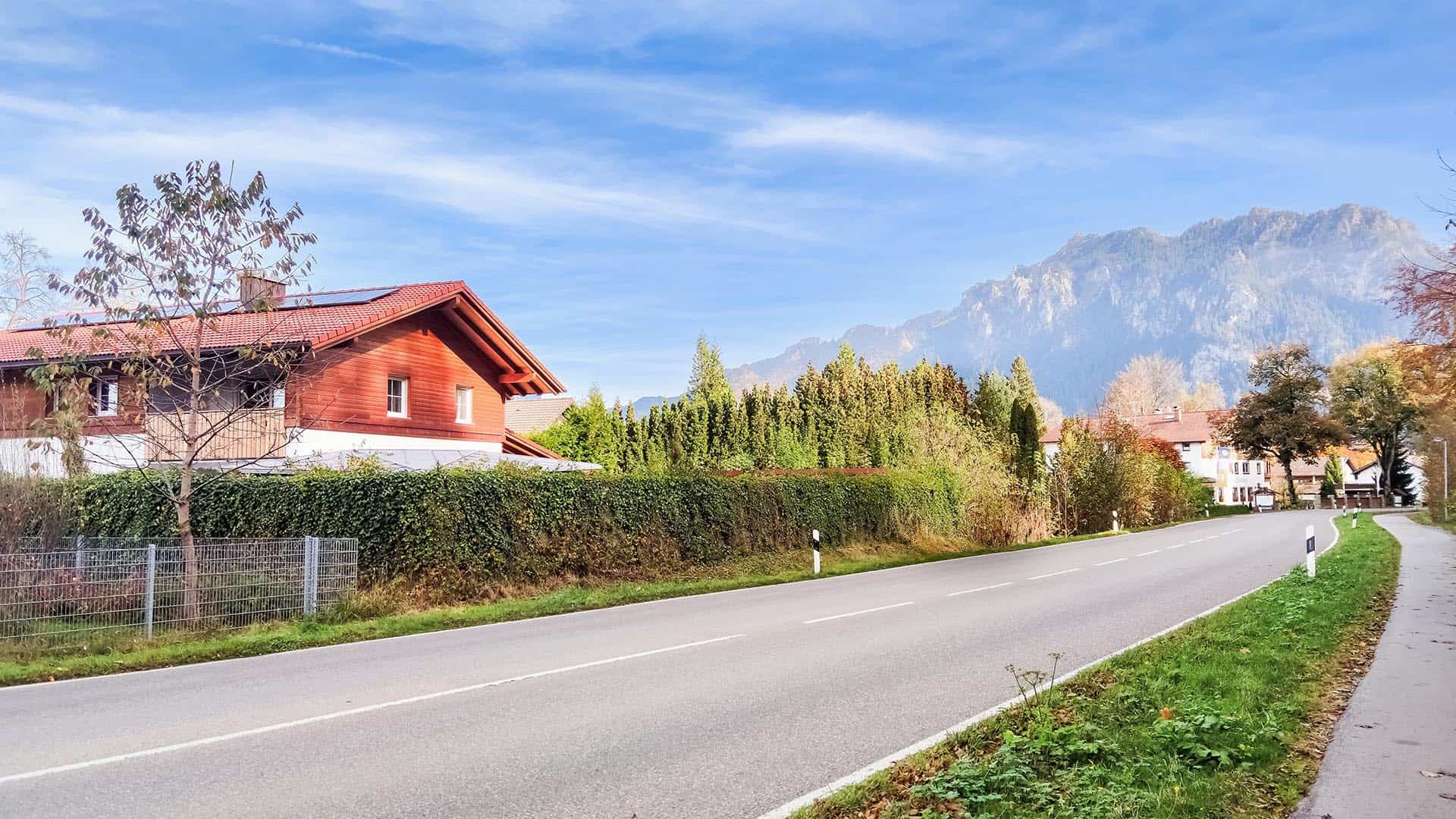
The France-Switzerland-Italy loop is a strong all-round route, but two weeks gives you options.
For more Italy, spend less time in Switzerland and add days around the Dolomites, Lake Garda, Emilia-Romagna or Tuscany. This works well if you want mountain roads followed by slower countryside driving, long lunches and a few nights in the same place.
For Germany, return north through Bavaria or the Black Forest rather than retracing the French route. It can give the journey home a different feel, with smaller roads, forest sections, historic towns and easier motorway links when you need to cover distance. See our Black Forest road trip for more route ideas.
Spain often needs a more selective plan. You can drive through France towards the Pyrenees and northern Spain in two weeks, but it makes most sense when Spain is the main destination rather than an extra country added at the end. A route through the north, the mountains and the Atlantic coast can fill the whole trip on its own.
Whichever direction you take, choose the countries around the experience you want. The best grand tour is the one that gives each region enough time to make its mark.
Costs for two weeks on the road
A two-week Europe road trip from the UK can vary widely in cost, depending on the route, car, season and type of stay you prefer.
The main costs include:
- Ferry or Channel Tunnel crossing
- Fuel or electric vehicle charging
- Tolls, vignettes, road charges and emissions-zone permits
- Accommodation for around 13 nights
- Food, drinks and activities
- Parking and mountain lifts
- Travel insurance and breakdown cover
- Country-specific equipment
- Ferry crossings, where part of the route requires them
France, Italy and Switzerland all have different systems for motorway and road charges. Switzerland requires a motorway vignette, while French and Italian autoroutes can add up over a longer route. Check current country requirements before travelling, including emissions zones, winter equipment rules and payment methods.
Accommodation is another major part of the budget. Mountain areas, popular towns and school-holiday dates can all push prices up. Booking key stays early helps, particularly when your route depends on being near a pass, ferry, charging point or city centre.
Keep some room in the budget for the unplanned parts of the trip too. A local lunch or a hotel you decide to stay in for another night can all be worth it.
Build your 2-week route with New Roads
A two-week European road trip gives you plenty to work with. The challenge is turning all those ideas into a route that fits the car, the time and your driving preferences.
Tell New Roads exactly where you are starting and whether the priority is Alpine passes, Italian food stops, French roads or a mix. It can help build a bespoke itinerary with driving routes, accommodation suggestions, places to stop and petrol or electric vehicle information where supported.
You can adjust the plan through the AI chat, review the vehicle suitability report as an advisory check and save the route in My Trips. When you are happy with it, export the journey to Google Maps or GPX where available.
Explore our features, then start building a two-week Europe road trip that brings together the roads and regions on your list.
AI can make mistakes. Always check routes, parking, access, weather, tides, local restrictions, accommodation and vehicle suitability before travelling.
Frequently Asked Questions
- What is the best 2-week Europe road trip from the UK?
A strong two-week Europe road trip from the UK can take you through France, Switzerland and northern Italy. This gives you time for French roads, Alpine scenery, mountain passes and a few slower days in Italy without packing every day with long motorway mileage.
- How many countries can you visit in two weeks?
Three or four countries is usually enough for a relaxed two-week European road trip. France, Switzerland and Italy make a natural combination, while Germany can fit into the return route if you want a different way home.
- How far can you drive in Europe in two weeks?
You could cover several thousand miles in two weeks, but a better pace mixes longer transfer days with shorter driving days and base days. Allow more time for mountain roads, towns and scenic routes than the map may suggest.
- What is a good 14-day European road trip route?
A good 14-day route starts in northern France, heads through Champagne or Alsace towards Switzerland, then continues into northern Italy and the Dolomites. Return through France or Germany, with a few overnight bases to break up the longer driving days.
- How much does a two-week Europe road trip cost?
The cost depends on your crossing, mileage, fuel or charging, tolls, vignettes, accommodation and season. Plan for the main fixed costs first, then leave room for parking, food stops, mountain roads and an extra night somewhere you want to stay longer.