France road trip guide: the best French drives
A France road trip can be whatever you want it to be.
It might be a long weekend built around Normandy and Le Mans, a week heading south through quieter French towns or a longer drive that ends in the Alps or on the Côte d’Azur. The roads change quickly as you move through the country, from broad autoroutes to vineyard lanes, mountain climbs and smaller, picturesque roads that are worth taking your time over.
For drivers coming from the UK, France is the natural first step into Europe. It is easy to shape around your time, car and the sort of trip you’re looking for. Keep it simple with a few days in the north, or use France as the main event on a two-week route that heads through the mountains and back by a different road.
This France road trip guide brings together the key regions, practical checks and routes worth considering. We help you choose a direction, then turn it into a trip that feels right for you.
For wider ideas, see our best European road trips from the UK.
Getting there: the Channel crossing and your first miles
A French road trip begins with the crossing.
The Channel Tunnel is a practical choice if you want to arrive in Calais and head straight south or east. It suits drivers planning a route towards Le Mans, Champagne, the Alps, Burgundy or Germany, particularly when you want to make the most of your first day on the continent.
A ferry can work well if you are aiming for Normandy, Brittany or western France. It gives you a break between the UK motorway miles and the drive ahead, which can be welcome when you are travelling with family, friends or a car packed for a longer trip.
Think about your first overnight stop before you book the crossing. Calais is useful for getting on the road quickly, but you may prefer to arrive later and stay nearby, or push further inland before settling down for the night. The right plan depends on how much driving you are up for on Day 1.
Le Mans is a good first destination for many UK drivers. It is far enough south to feel like a proper escape, but still realistic for a long weekend. The main roads take care of the distance, then the smaller French roads around your stop-offs can make the drive feel far more relaxed and enjoyable.
See our drive to Le Mans guide for practical advice when coming from the UK.
What you need to drive in France: documents and kit
The paperwork and car kit are easy to sort before you leave. They’re worth keeping somewhere accessible rather than buried under the luggage.
For a trip from the UK to France, carry your passport, driving licence, original V5C log book and printed insurance documents. If the vehicle is hired, leased or company-owned, take the relevant permission documents too.
UK Government guidance confirms that drivers taking their own vehicle to the EU should carry a V5C, while hired or leased vehicles may need a VE103 document.
Your France road trip checklist should also include:
- Breakdown cover details
- Travel insurance information
- Ferry or Channel Tunnel booking confirmation
- Accommodation details
- A UK vehicle identifier, if your registration plate does not already display the UK identifier and Union flag
- High-visibility vests for everyone in the car
- A warning triangle
- Any documents needed for tolls, low-emission zones or winter driving
France requires a high-visibility vest and warning triangle in the vehicle. Keep the vest within easy reach, as you may need it before getting back into the boot.
A breathalyser kit no longer needs to be part of your France car kit. You will still need valid insurance, and it is sensible to check that your policy covers the countries you are driving through before you set off.
Driving requirements vary by region and season. Some mountain areas have winter tyre or chain rules between 1 November and 31 March, while several cities operate low-emission zones. Check official guidance for your route, including any towns you plan to drive through rather than simply stay in.
French regions at a glance: the south, the north, the Alps and Route Napoléon
France has enough variety to suit a weekend, a full week or a much longer European road trip. The best approach is to pick one area and give yourself time to explore it properly.
Northern France for an easy first trip
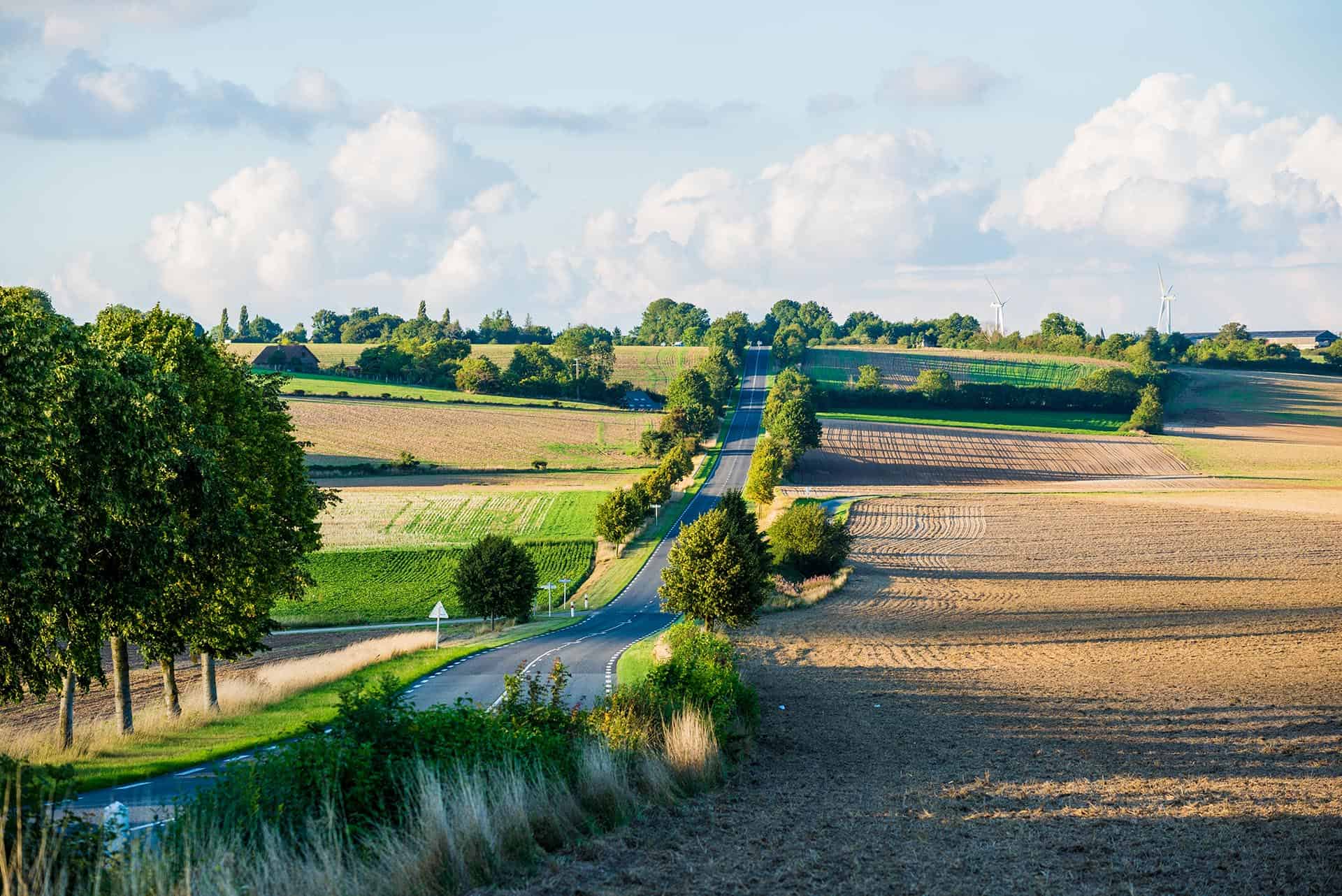
Northern France is ideal when you have a long weekend and want an easy first cross-Channel drive. Normandy, Picardy and the roads around Le Mans combine manageable distances with market towns, countryside and plenty of places to stop without packing every day with huge mileage.
The landscape is gentler than the south, but that works in its favour. You can build a route around smaller D-roads, village cafés and a decent overnight base, then adjust your plans as you go. It is a good fit for drivers who want to get used to driving in France before taking on a more demanding trip.
For route ideas, crossings and places to build into a shorter break, see our northern France road trip guide.
The south of France for bigger distances and varied scenery
A south of France road trip needs more time, but it gives you more variety in return.
As you head south, the landscape opens out into vineyards, limestone hills, gorges and roads that can feel very different to northern France. Provence is a strong choice if you want a mix of driving, towns, food stops and the freedom to take a quieter road.
It works especially well as a one-week or two-week trip, either as the main destination or as part of a longer route into the Alps and Italy. Give yourself a few nights in one base where possible. This makes the driving days more relaxed and gives you more freedom to choose the interesting road rather than the direct one.
For more route inspiration, see our south of France road trip guide.
The French Alps for roads that shape the whole trip
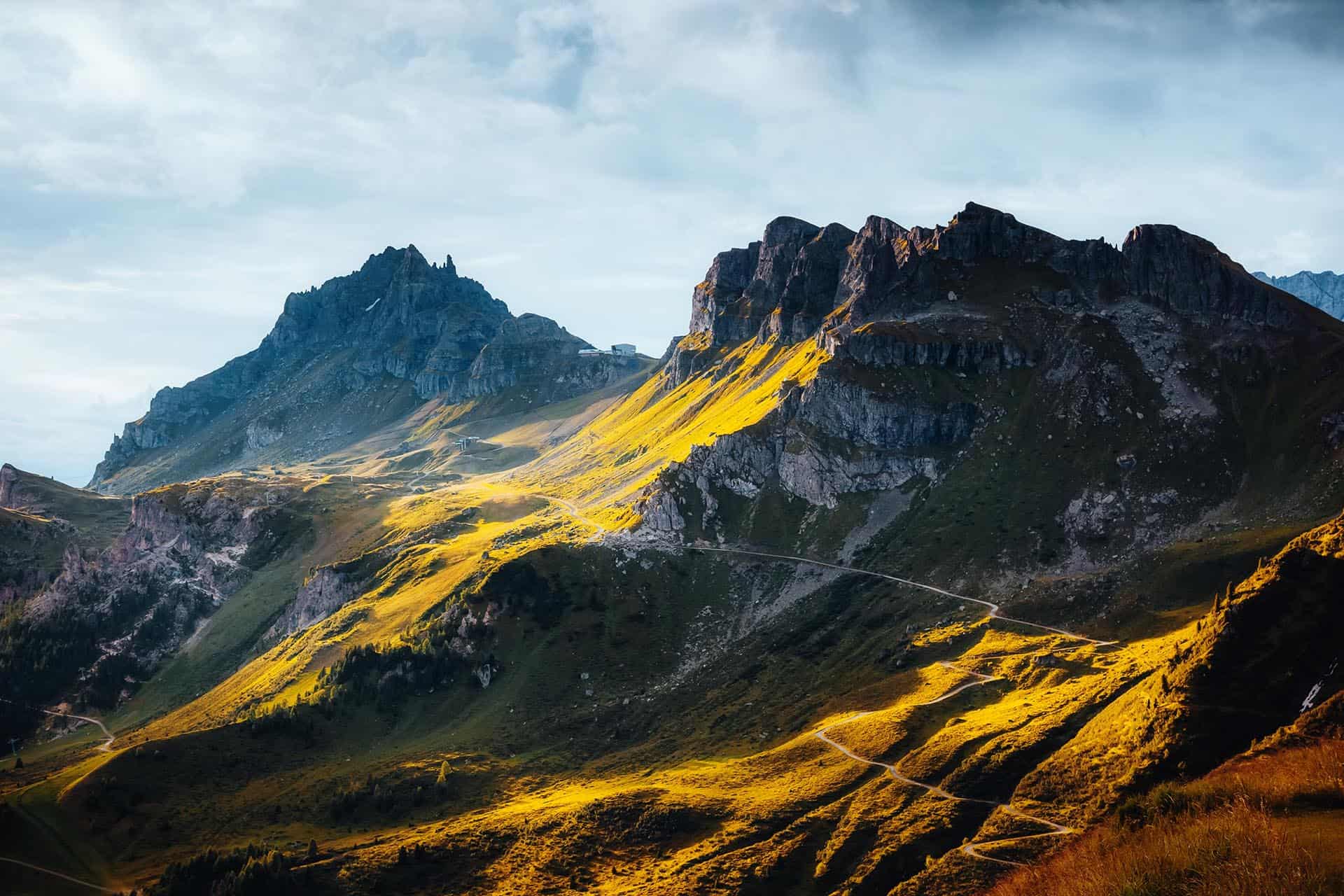
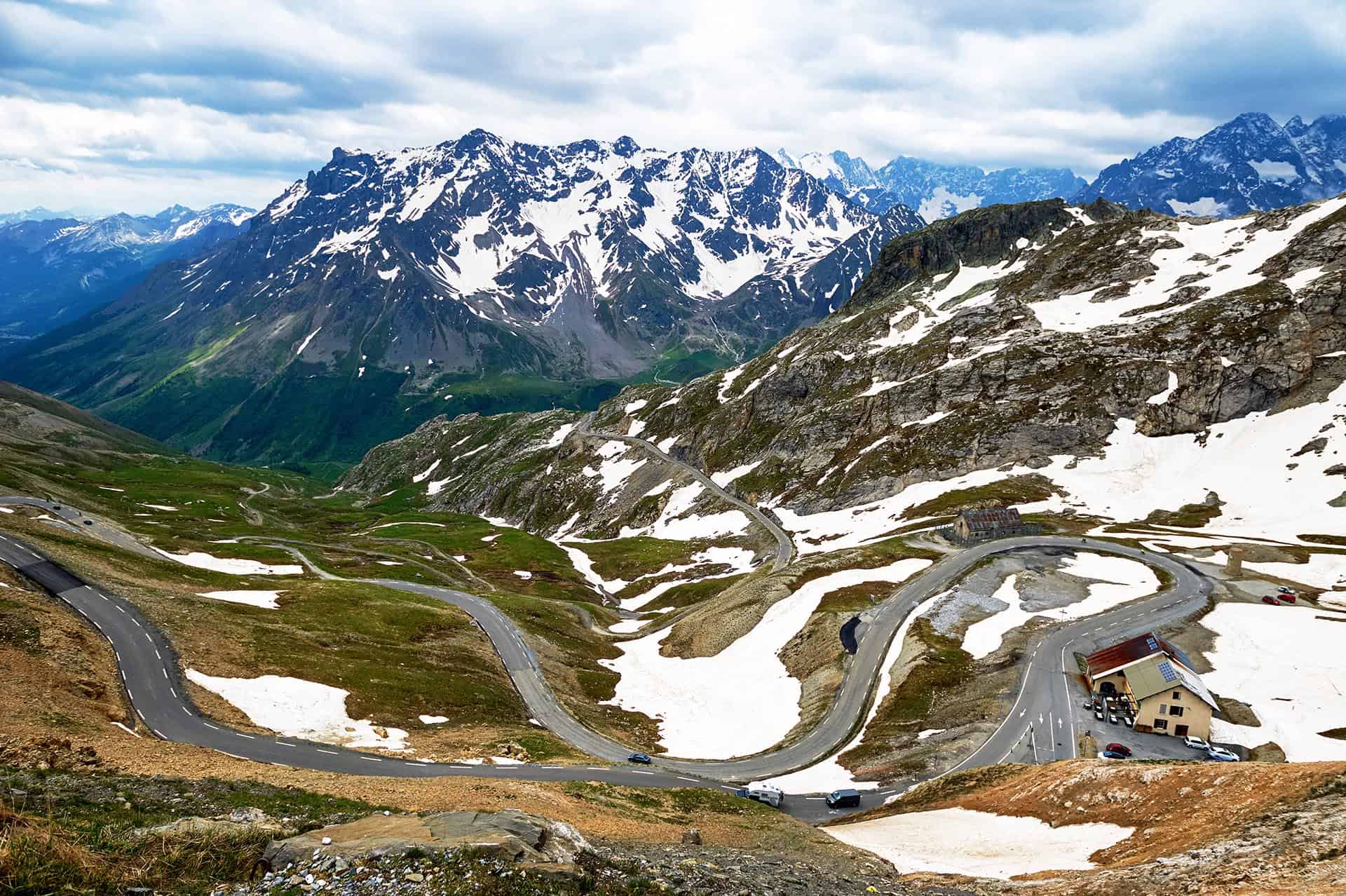
The French Alps are where a road trip in France becomes more focused on the driving itself.
Mountain roads bring bigger views, longer climbs and sections where road width, weather and traffic can change the pace of the day. This is a region where a route should be shaped around your car, your confidence and the conditions when you arrive.
You do not need to fit every famous pass into one trip. Choose a base, select a handful of roads and allow time for lunch stops, weather changes and slower traffic.
If you only have a few days, it may be better to focus on one area rather than trying to reach the mountains from Calais, drive several passes and return in the same week. The Alps are most enjoyable when you give them time.
Route Napoléon for a classic French drive
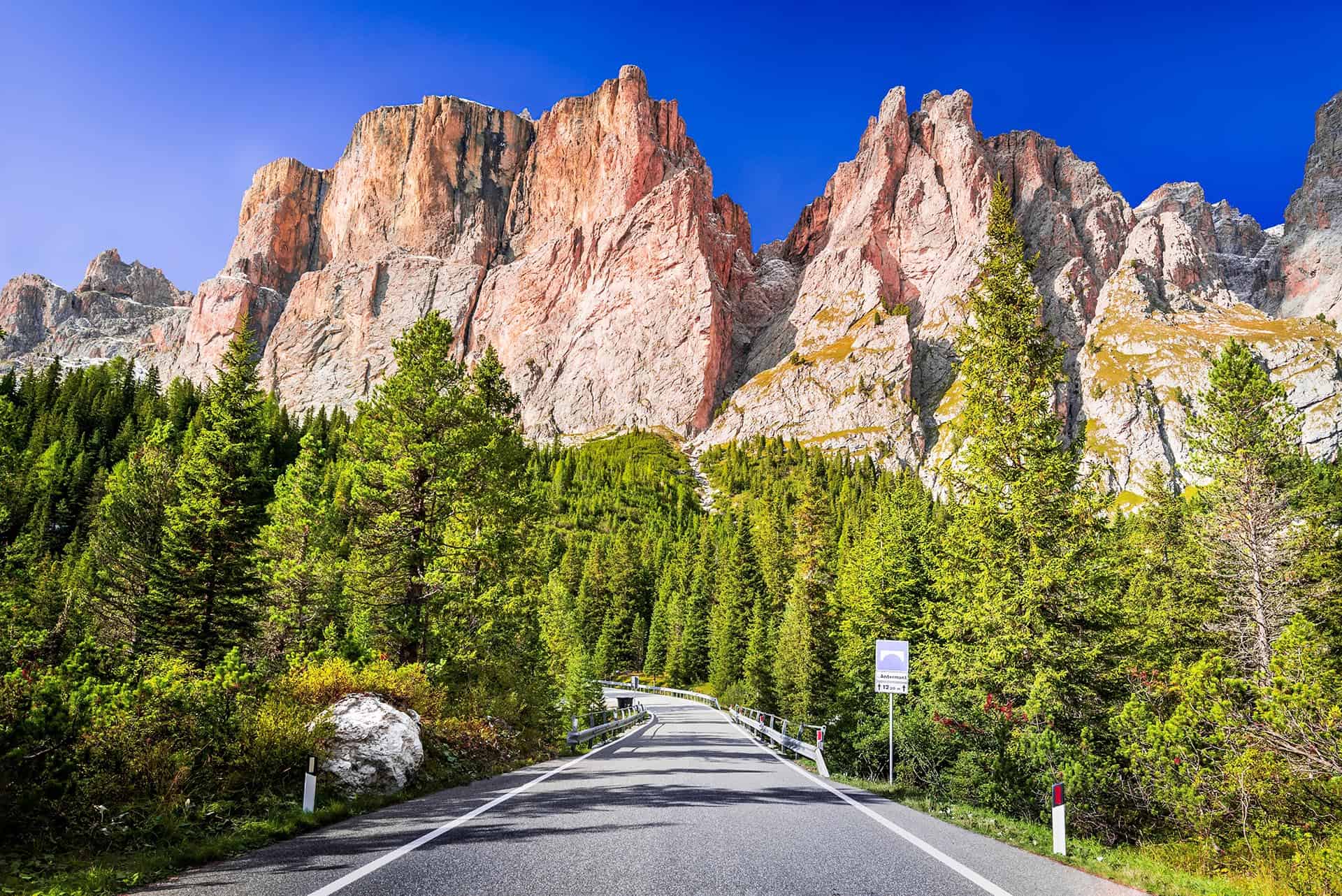
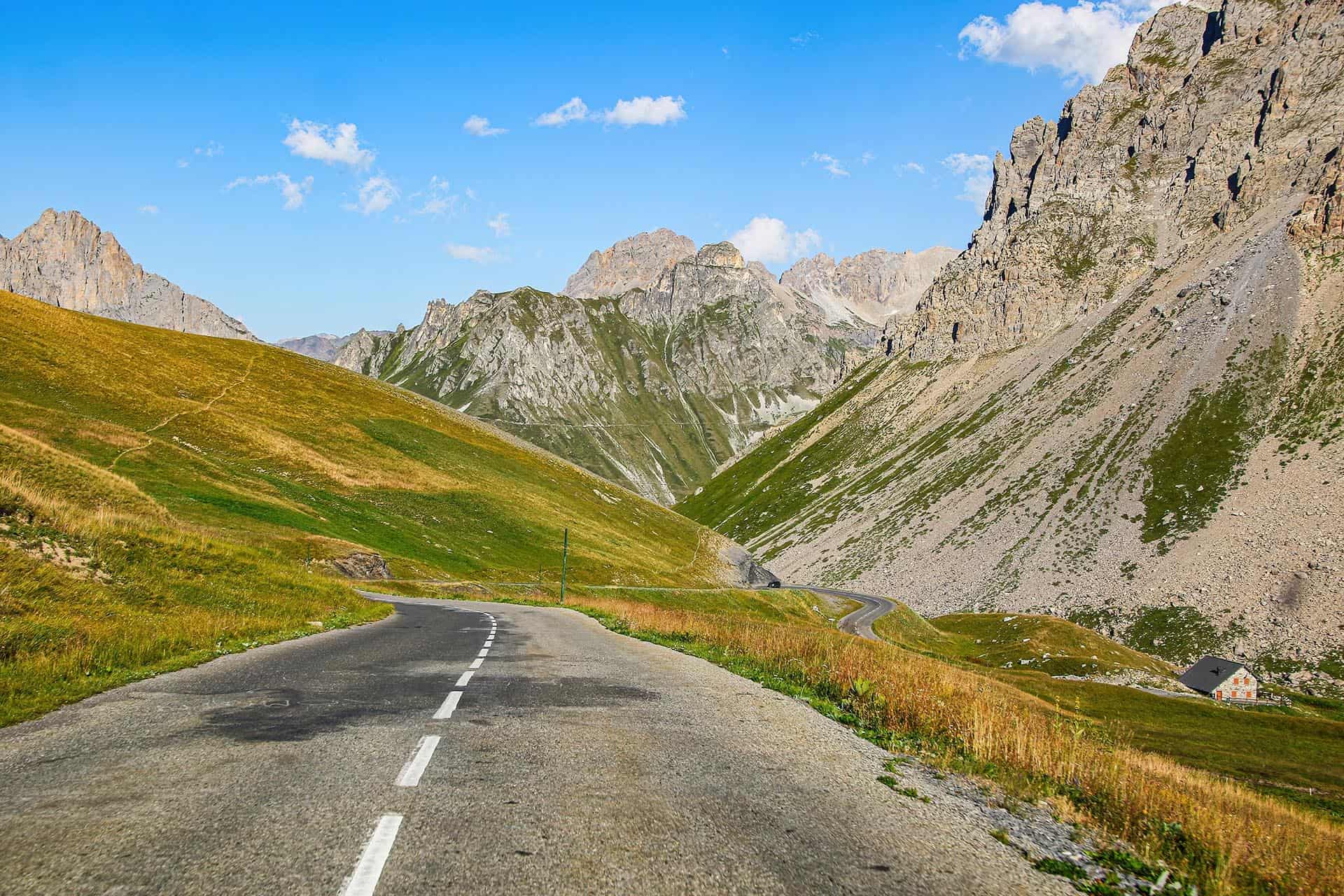
Route Napoléon is one of the best-known French drives, following the historic route between Grenoble and Golfe-Juan on the Côte d’Azur. It runs through the Alps and Provence, linking mountain scenery with smaller towns and a finish near the Mediterranean.
It is a good choice for drivers who want one clear route to build a trip around. The road changes as it moves south, with higher sections and tighter bends giving way to warmer, more open scenery towards the coast.
See our Route Napoleon road trip guide for driving context and ideas for shaping the trip around your time.
Choosing by time: a long weekend, one week or two weeks
Your available time should shape the route from the start.
A long weekend
A long weekend is enough for northern France, Normandy or Le Mans. Keep your route focused around one main region and one or two overnight bases, then use the smaller roads to make the journey more interesting.
This works well if it’s your first drive in France. You can get comfortable with the crossing, driving on the right and the toll roads without turning the trip into a long-distance mission.
One week
One week gives you room to head south, spend more time in a region or build a route around the Alps. You could travel through Burgundy towards Provence, make Route Napoléon the centrepiece or combine northern France with a few days further inland.
A one-week France road trip works best when you pick one broad direction and stick with it. The country is bigger than it can look on a map, so leave space for the stops and roads that make the drive memorable.
Two weeks
Two weeks opens up a proper French road trip. You can take your time through several regions, and use different routes out and back.
This is a good length for combining the south of France with the Alps, or using France as part of a wider route into Italy, Switzerland or Germany. Your car matters more over longer distances, too. Build the route around its range, comfort, luggage space and suitability for the roads you wish to drive.
Iconic French drives worth building in
Route Napoléon is the obvious choice for a south-east France trip, particularly if you want mountain roads and a strong end point near the coast. It is more rewarding when you allow time for the towns and scenery around it rather than aiming to complete it in a single day.
The roads through Provence bring a different pace, with smaller routes between villages, vineyards and hill towns. Pick a base, then build loops that give you time to stop for lunch or take a good look around.
In northern France, the best drives are often less about one named road and more about linking the quieter sections together. A route through Normandy or around Le Mans can combine open countryside, historic towns and roads that feel far removed from the autoroute.
The French Alps deserve their own approach. High roads can be subject to weather, closures and busy periods, so check local access and conditions before you set off. Keep a more straightforward alternative in the plan in case plans change.
Costs and practicalities from the UK
The cost of a France road trip depends on your crossing, route distance, accommodation and the time of year.
Your main costs are likely to include:
- Ferry or Channel Tunnel crossing
- Fuel or electric vehicle charging
- Tolls and local road charges
- Accommodation and parking
- Food, activities and unplanned stops
- Travel insurance, breakdown cover and required car kit
French autoroutes can make longer distances easy, but tolls add up, particularly on a route heading south. Smaller roads can be more interesting and may reduce toll spending, but they can take longer and make daily mileage less predictable.
Plan key overnight stays early if you are travelling during school holidays or heading to popular areas. A one-base approach can also help control costs, especially for a few days in Provence, Normandy or the Alps. Staying in one place gives you the chance to create day loops without checking in and out every morning.
Carry more than one payment method for fuel, tolls and parking. Local systems vary, so it is useful to have a card that works abroad as well as a back-up option.
Build your France route with New Roads
A France road trip can start with a broad idea: a long weekend after the Channel crossing, a few days in Provence or a bigger drive through the Alps.
Tell New Roads where you are starting, what you drive, how long you have and the sort of roads you want to include. It will then help build a bespoke itinerary with driving routes, accommodation suggestions, places to stop and petrol or electric vehicle information where supported.
You can adjust the route in the AI chat, save it in My Trips and review the vehicle suitability report as an advisory check before you commit to narrower or more demanding roads. When the plan is ready, export it to Google Maps or GPX.
Explore New Roads features, then build a France road trip around the roads and stops you want to experience.
AI can make mistakes. Always check routes, parking, access, weather, tides, local restrictions, accommodation and vehicle suitability before travelling.
Frequently Asked Questions
- What is the best road trip in France?
The best France road trip depends on how much time you have. Northern France and Le Mans suit a long weekend, while Provence, the French Alps and the Route Napoléon are better suited to one week or more.
- How do you take a car to France from the UK?
You can take your car by ferry or through the Channel Tunnel. Carry your passport, driving licence, V5C, insurance documents and the required vehicle kit, then check official guidance before travelling.
- How many days do you need for a France road trip?
Three days is enough for northern France, Normandy or Le Mans. One week gives you more room to explore the south or the Alps, while two weeks lets you combine regions at a more relaxed pace.
- What do you need to drive in France?
You will need a valid passport, driving licence, vehicle documents and insurance. Take a warning triangle and high-visibility vests, and always check local requirements for tolls, winter equipment and low-emission zones before you travel.
- What are the best driving roads in France?
Route Napoléon is a standout route for mountain and south-east France driving. Normandy, Provence and the French Alps also offer plenty of roads worth building a trip around.
- Is the south or north of France better for a road trip?
Northern France is easier for a long weekend from the UK, while the south offers bigger scenery and longer routes for a week or more. Choose based on your available time and the kind of roads you want to drive.
- What is the best time for a France road trip?
Late spring and early autumn can be good choices for milder temperatures and quieter roads in many areas. Check local weather, school holiday dates, mountain access and accommodation availability before travelling.
- How much does a France road trip cost?
Your main costs will be the crossing, fuel or charging, tolls, accommodation, food and parking. Build the route first, then use your expected mileage and overnight stops to create a more realistic budget.