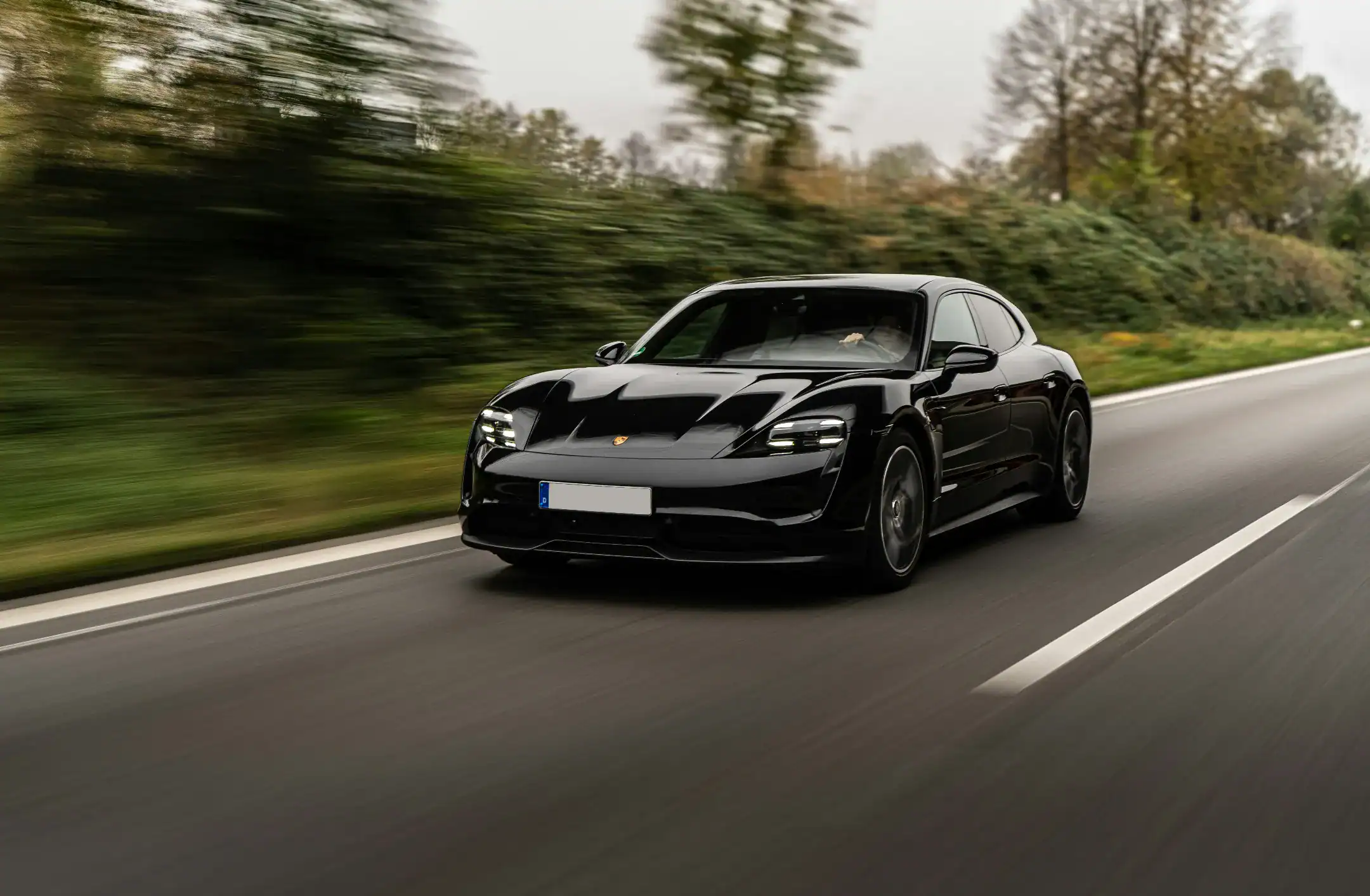
How to plan a road trip with an electric car
Planning a road trip with an electric car starts with choosing charging stops that fit naturally into the route.
A good stop could be breakfast just after you leave, lunch somewhere you would have chosen anyway or an overnight stay that leaves you ready for the next stretch. Once the route, your car and the charging plan work together, an electric car road trip can feel every bit as straightforward as a drive in a petrol-powered car.
The key is understanding how your car is likely to perform on the route you have planned. Rated range is a useful guide, but motorway speeds, colder weather, passengers and luggage can all affect the distance between charging stops.
For wider planning, see our guide on how to plan a road trip. For help choosing the right car for the trip, see best cars for road trips.
What is different about planning an electric vehicle road trip

The basics of a good road trip stay the same. You still need a route you are looking forward to, sensible daily mileage and places worth stopping. With an electric car, you also need to think about when, where and how quickly you will charge.
That does not mean planning every minute. It means understanding the shape of the day before you set off. A route with reliable rapid charging at a useful lunch stop may suit you far better than a shorter route where the only charger is in a supermarket car park miles from anywhere you want to be.
Charging speed matters as much as charger location. Your car may accept rapid charging, but it will only charge at the rate supported by both the vehicle and the charger. Battery temperature and the state of charge can affect this too, which is why a short stop from a very low battery can feel different from arriving with plenty left.
Think about the full trip, not just the outward leg. Check whether your accommodation has charging, whether the return route has sensible battery-boosting options and how the plan changes if a charger is busy or unavailable.
Knowing your real range, not the brochure figure
Rated range is a helpful comparison tool. Real-world range is what matters once you are on the road.
Motorway speeds, cold weather, strong headwinds, steep climbs, heavy rain, luggage and a full car can all increase energy use. The same is true when you are travelling through mountains, towing or using climate control heavily. On the other hand, slower roads, warmer conditions and gentler terrain may help you travel further between stops.
The most useful figure is the range you usually see in conditions similar to the trip you are planning. Look at your recent driving, then be realistic about how the route differs. If your car is comfortable with a 200-mile mixed journey at home, do not automatically assume that figure will apply to a loaded motorway run through a different country in winter for example.
Leave a sensible margin when planning. Arriving with enough charge to continue to a back-up charger gives you more flexibility if the first site is full, out of order or simply does not suit the stop you had in mind.
Try not to plan every leg around reaching a charger on the last few per cent of battery. The calmer option is usually better: charge when it fits the day, keep some range in reserve and know where the next realistic option is.
Planning around charging: networks, speeds and connectors
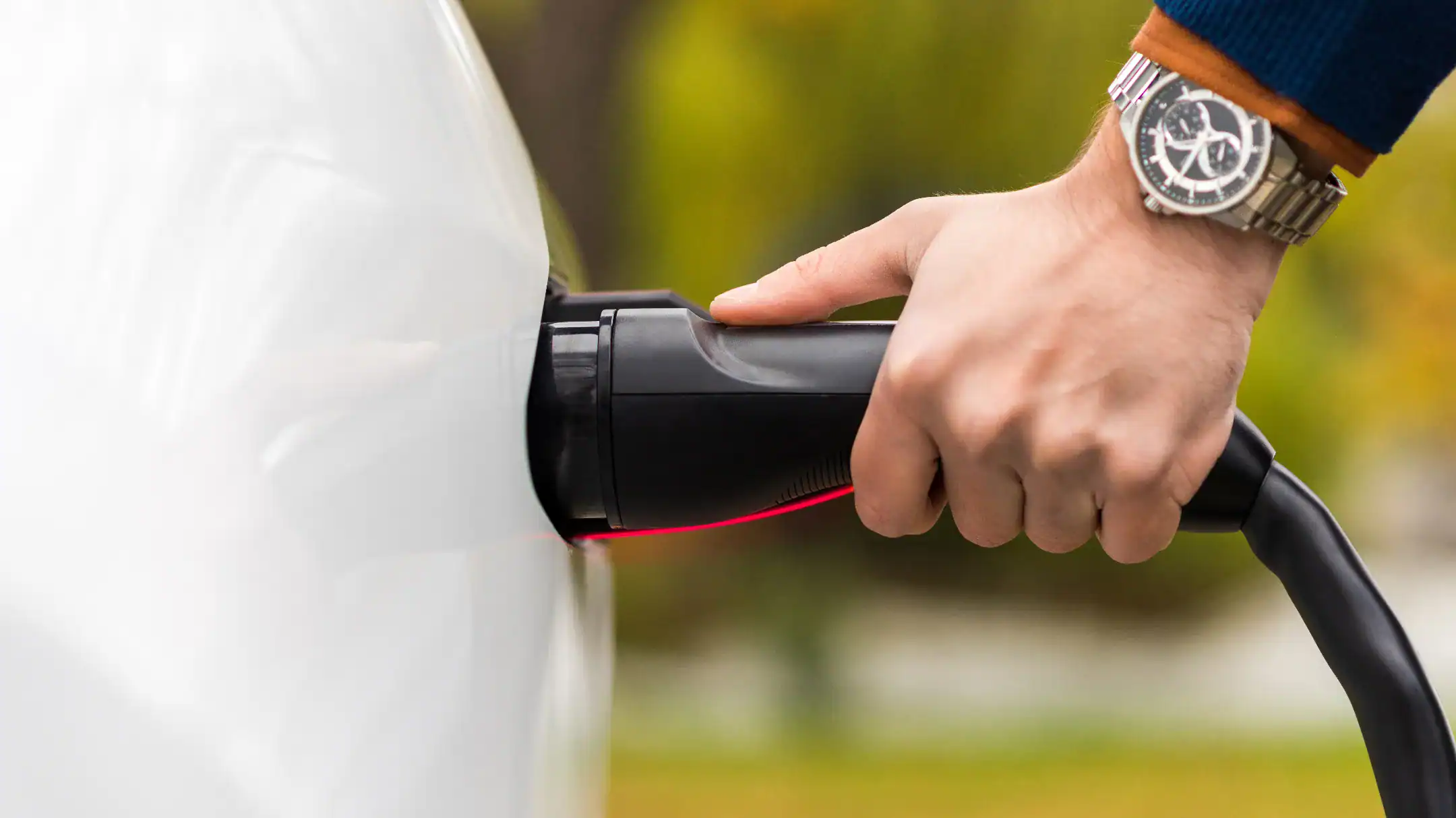
Start by looking at the route distance, then place charging stops where they make sense for both the car and the people in it.
For a longer motorway leg, a rapid charger can be useful for a shorter break. For an overnight stop, a slower destination charger may be all you need. The best plan often mixes both, rather than trying to make every charge as fast as possible.
Across the UK and Europe, charger networks differ in coverage, payment options and reliability. It is worth having more than one charging app or payment method available, particularly for a longer trip. Some public chargers accept contactless payment, while others use an app, account or roaming service.
For most newer electric cars in the UK and mainland Europe, the common public charging setup is Type 2 for AC charging and CCS Combo 2 for rapid DC charging. Older cars and specific models may use a different connection, so bring the right cable where needed and confirm the chargers on your route are compatible. EU infrastructure is designed to improve interoperability, payment options and customer information, but availability and pricing still vary by location.
Before leaving, check:
- Your car’s charging connector and maximum charging speed
- Whether you need to take an AC charging cable
- The charging networks on your route
- Payment methods, apps and roaming access
- Whether the charger is at a useful stop
- A second charging option within comfortable reach
Check the network app or operator details on the day, especially before committing to a remote stop or a long stretch of motorway.
Charging across Europe: access, apps and cross-border differences
A road trip in an electric car across Europe is entirely workable, but it needs a little more preparation than staying in one country.
The connector is usually the simple part. Type 2 AC and CCS DC charging are widely used across the EU, which makes cross-border driving more straightforward for many UK and European electric vehicles. The practical differences are more likely to be charging apps, roaming agreements, payment methods, local prices and how busy a site is at a particular time.
Set up the main charging apps and payment accounts before leaving the UK. Make sure your bank card works abroad and keep a second payment method available. Some EU charging sites are required to offer easier ad-hoc payment options, but it is still useful to have the network app ready before you arrive.
If you are travelling through France, Germany, Italy, Norway or several countries in one trip, check the route country by country. Mountain areas often have fewer charging options than major transport corridors, while hotel charging may need booking in advance. The same goes for ferry crossings. Check whether charging is available at the port, whether it is accessible when you arrive and how much battery you want before boarding.
For more UK-specific guidance, see our guide to EV road trips in the UK. For European trips, build the plan around confirmed charging locations and review important travel requirements before you set off.
Building in buffer and backup chargers
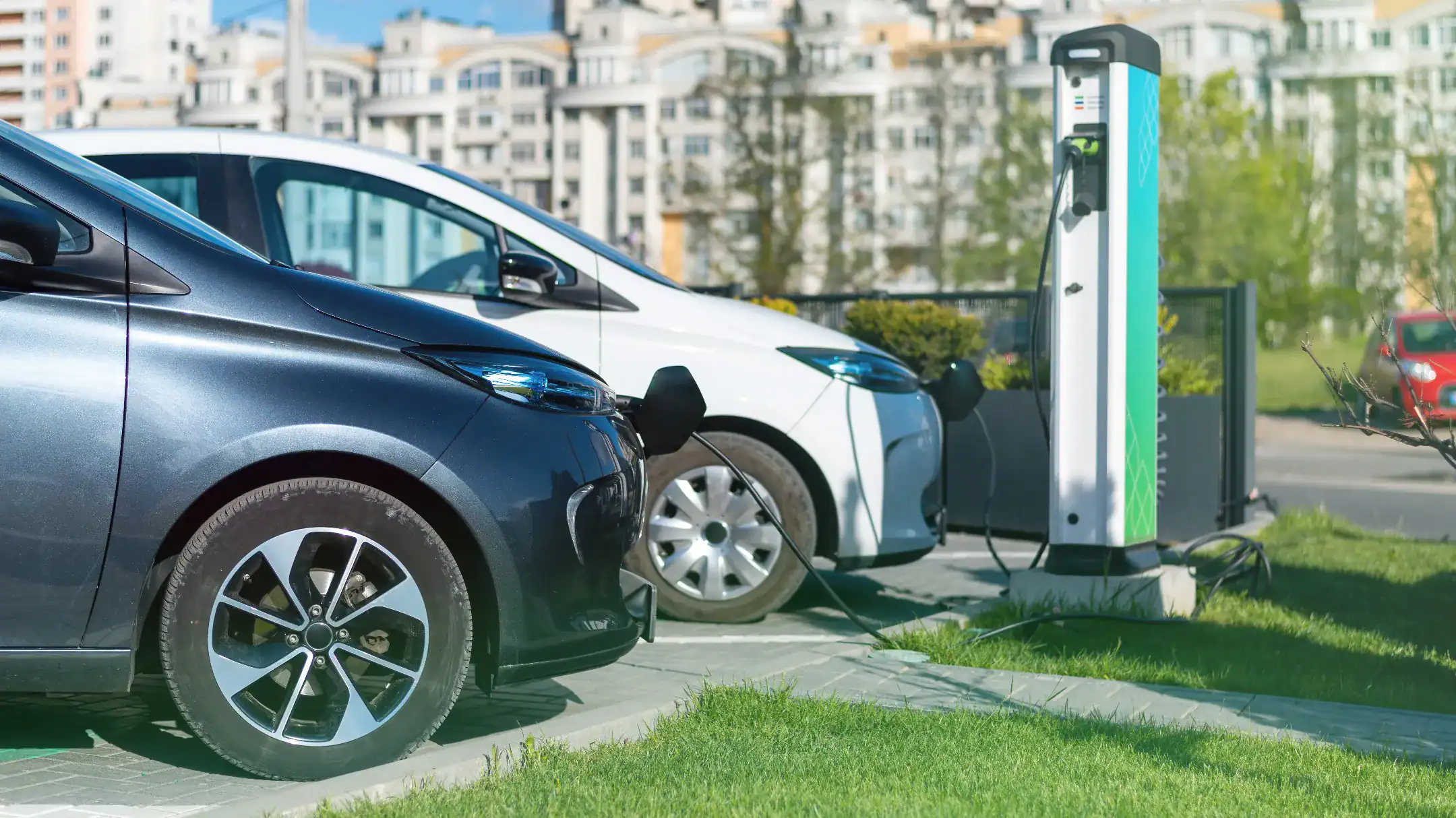
A flexible charging plan gives you options and reduces hassle throughout the trip.
For every important charging stop, identify a back-up within a comfortable distance. It may be a reliable destination charger near your lunch stop or a site on the next motorway junction.
A buffer is useful for other reasons too. Roadworks, heavy rain, a detour, headwinds or a busier-than-expected charging station can all increase energy use or delay the day. Keeping a sensible reserve avoids turning a small change into a stressful one.
The amount of buffer you need depends on the route, weather, charging density, your car’s range and how comfortable you are with unfamiliar stops. On a well-served motorway route, you may need less than on a mountain road or a remote part of rural Europe.
Charging plans are there to support the trip, not dictate it. If a stop is busy and there is another good option ahead, carry on. If you find a brilliant lunch stop with available charging, it may be worth staying longer. A flexible plan is usually the most useful one.
Pace and daily distance in an electric vehicle
How far can you drive an electric car in a day? The honest answer is that it depends on the car, route and how you want the day to feel.
You can cover serious distance in an electric vehicle, especially on routes with good rapid charging. But a road trip should still have a pace that works for everyone in the car. A 400-mile day may be realistic on paper, yet it can leave little time for the roads, stops or places you travelled to see.
Plan around useful breaks rather than chasing the biggest mileage. A coffee stop after two hours, lunch while the car charges and a hotel charger overnight can create comfort without needing to glance at the battery percentage every few minutes.
This matters even more on scenic trips. Mountain roads, coastal routes and rural areas are often better enjoyed at a slower pace, while energy use can change with climbs, weather and temperature. Give yourself time to charge and enough flexibility to enjoy the route when you get there.
For most people, the best electric vehicle road trip is one where the miles, charging and stops fit together naturally.
Let New Roads plan a route around EV charging and your car
New Roads helps you build a bespoke road trip around the car you are taking, the time you have and the sort of drive you enjoy.
Tell the AI chat where you are starting, where you want to go and whether you need electric vehicle charging information along the way. It can help shape an itinerary with roads, places to stop and accommodation suggestions, then you can adjust the plan simply through a conversation.
Before adding a remote mountain road, a long motorway stretch or a smaller hotel outside town, review the vehicle suitability report as an advisory check. Save the trip in My Trips and export your route to Google Maps or GPX where available.
Explore New Roads features or see how New Roads works, then plan an electric vehicle road trip around the charging stops and roads that suit you.
AI can make mistakes. Always check routes, parking, access, weather, tides, local restrictions, accommodation and vehicle suitability before travelling.
Frequently Asked Questions
- How do you plan a road trip in an electric car?
Start with your realistic range, then place charging stops around useful breaks, accommodation and the distance you want to cover each day. Check live charger details before travelling and keep a back-up option within comfortable reach.
- Can you do a long road trip in an electric vehicle?
Yes. Long electric vehicle road trips work well when the route has suitable charging options and the daily mileage leaves time for proper breaks. Plan around the car’s range, charging speed and the roads you want to drive.
- How do you plan charging stops on a road trip?
Use your real-world range rather than the rated figure, then choose charging stops that fit coffee, lunch or overnight stays. Check the connector, charging speed, payment method and a second nearby option before setting off.
- What is the best app for electric vehicle road trip planning?
The best app depends on what you need. Charging-network apps are useful for live site information, while New Roads helps build the wider route around your car, driving preferences and charging stops where supported.
- How do you charge an electric vehicle abroad?
Check which charging networks cover your route, download their apps and make sure your payment methods work abroad. Type 2 and CCS Combo 2 are widely used across the EU, but always confirm compatibility and current charger details before relying on a stop.