Best cars for road trips
The best car for a road trip is the one that best fits the journey ahead.
That could be a grand tourer that turns a motorway day into an easy start to a European adventure. It could be a small sports car that feels right on a quieter B-road. Or it could be an estate with enough space for luggage, walking boots, the dog and everything else that comes on a week away.
There is no single answer because no two road trips are the same. A car that feels perfect for a two-day Lake District drive may not be the most suitable choice for a 2,000-mile run through France and Italy. The key is matching the car to the roads, distance, passengers and sort of trip you have in mind.
New Roads is built around that idea. Tell it what you drive, where you want to go and the kind of roads you fancy, then use the vehicle suitability report to review the route before you set off. The report is an advisory check based on available road and vehicle data, helping you spot where width, clearance, surface or gradient need a closer look.
See how to choose the right road trip route for your car for a more focused look at choosing a route.
What actually makes a good road trip car
A good road trip car is as comfortable on the way there as it is enjoyable once the route gets interesting.
Comfort matters when you are spending long days behind the wheel. So does boot space, fuel or charging needs, weather protection and the way the car handles the roads you are planning. A convertible might be perfect for a summer weekend in the south of France. An estate can make more sense for a wet week in Scotland with four people and their luggage.
Think about:
- How far you are likely to drive each day
- Whether the route is mostly motorway, country roads, mountains or a mix
- How many passengers and how much luggage you are taking
- Ground clearance, width and wheel size
- Comfort over long distances
- Petrol, diesel or electric charging needs
- Where you are staying and what the parking is like
- Whether you want the drive to be the main event or simply part of the trip
The best road trip cars are not always the biggest, fastest or most expensive. They are the cars that fit the trip without causing hassle at every fuel stop, car park or narrow lane.
Grand tourers: distance in comfort
Grand tourers are built for covering distance without making the journey feel like a chore.
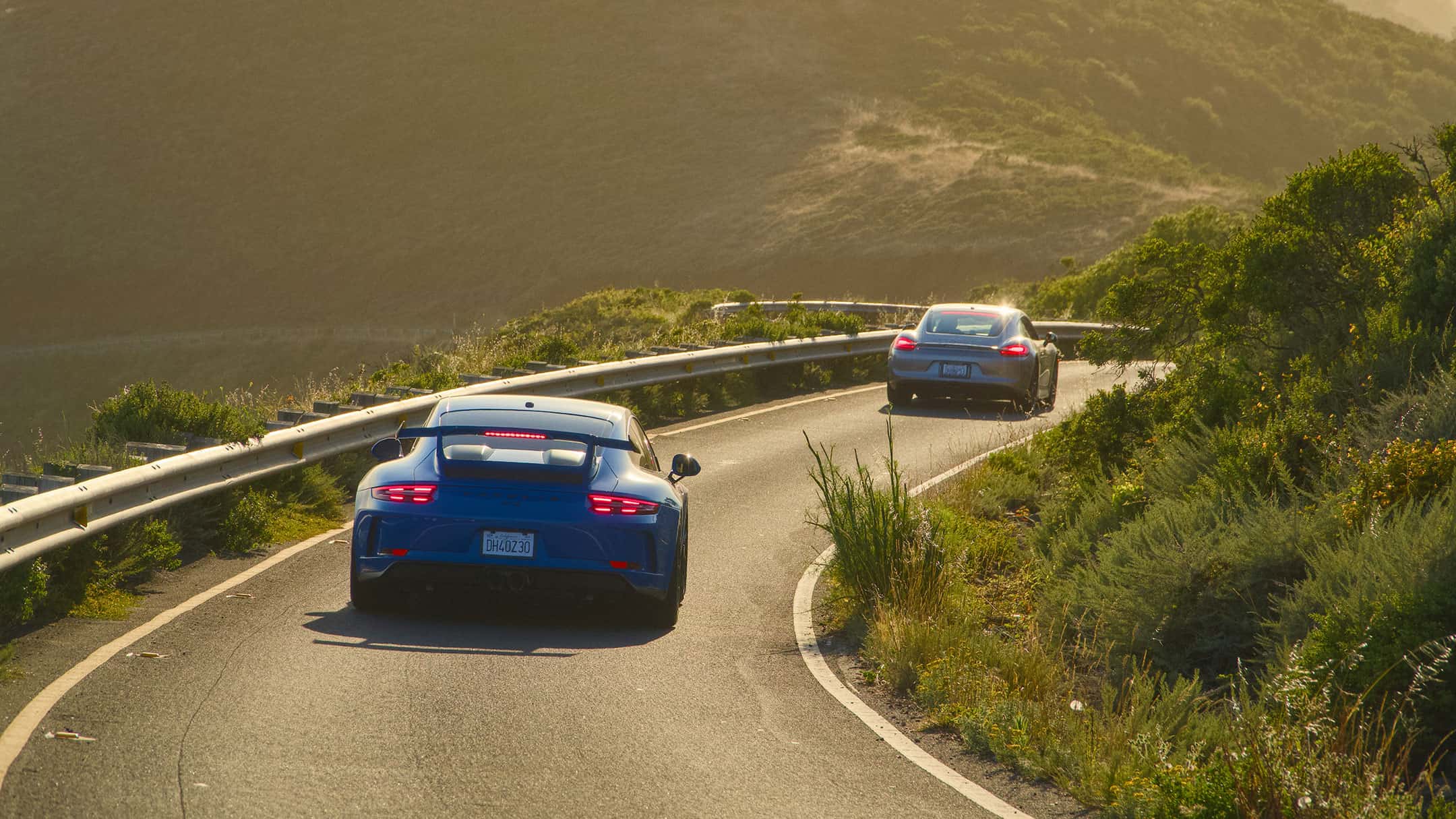
A good GT should be comfortable at motorway speeds, stable on longer runs and capable of carrying enough luggage for a few nights away. It is the sort of car that makes sense for a drive from the UK into Europe, where the first day may involve a Channel crossing, autoroute miles and a late arrival at your first hotel.
The best grand tourers balance that long-distance ability with enough character for the roads at the other end. Once you are off the motorway, you still want a car that feels at home on the route through a French valley or a quieter road towards the Alps.
They are particularly well suited to couples or two-person trips where comfort matters as much as outright practicality. Just check the basics before booking: hotel parking, steep access roads, tight underground car parks and any town-centre restrictions. A long, low car can be a brilliant road-trip companion, but it pays to know what is waiting at the end of the day.
Sports cars and convertibles: the driving-first choice
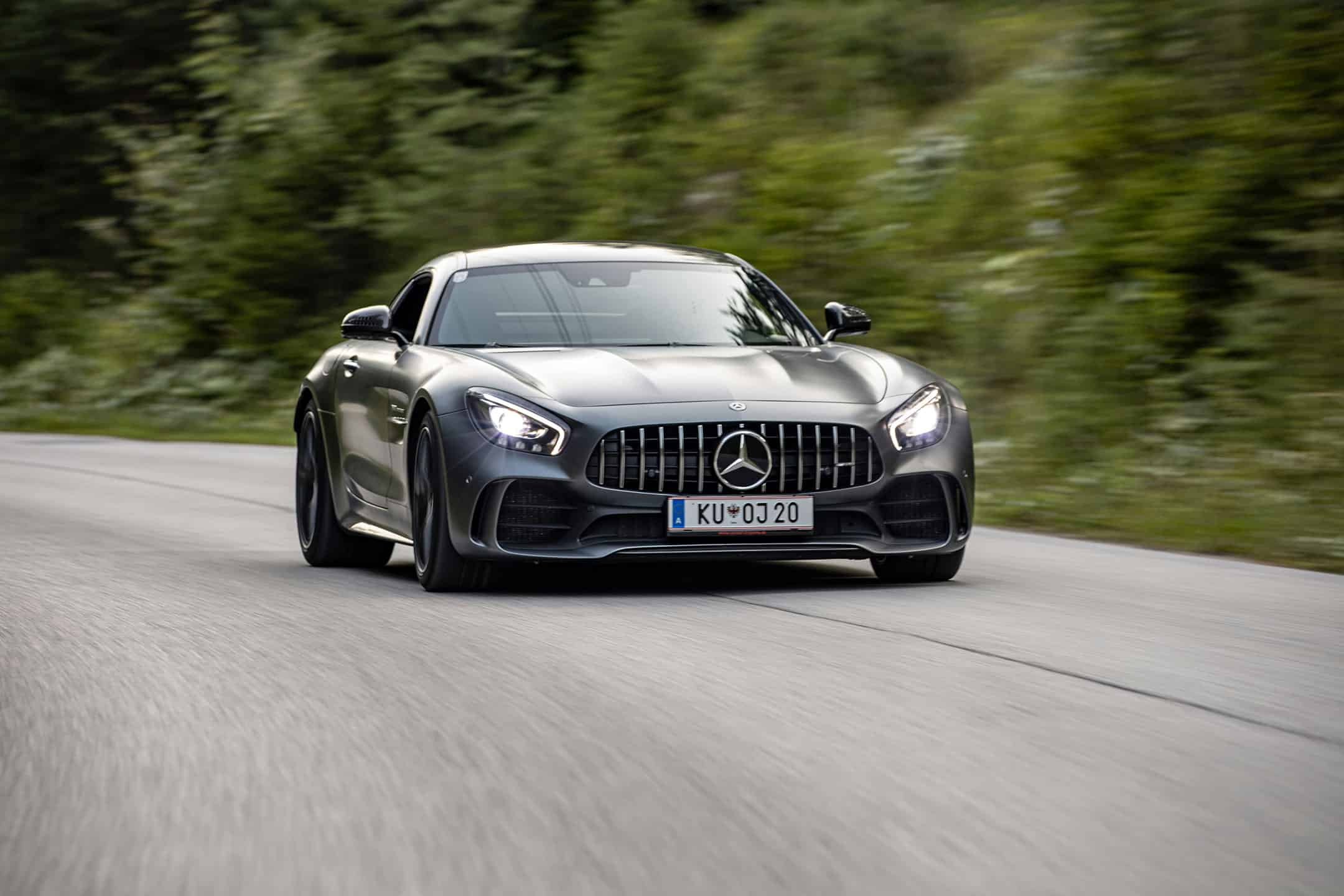
Sports cars and convertibles are for trips where the road is a big part of the reason for going.
They can make a short weekend feel like a proper escape, especially when the route is built around flowing roads and good views. A lighter car with modest dimensions can feel particularly at home on British B-roads or smaller roads linking Italian villages.
There are practical compromises. Boot space may be limited, ride quality can become tiring over a longer motorway day and poor weather can change the mood of an open-top trip. When taking a convertible or sports car, pack light and choose accommodation with sensible parking.
A sports car road trip also benefits from realistic daily mileage. You may be happy to drive 300 motorway miles in a comfortable coupe, but a route with narrower roads, hairpins and photo stops will take longer than it looks on a map.

SUVs and estates: space and versatility
For many people, an SUV or estate is the best car for a road trip because it can do a bit of everything.
Estates offer a useful mix of luggage space, comfort and handling. They can carry bags, cool boxes, dog gear and walking kit while still being enjoyable to drive beyond the motorway. For a family road trip, they are often the easy answer when you want everyone and everything to fit without packing like a game of Tetris.
SUVs provide a higher driving position, more ground clearance and often more confidence in rougher car parks or less polished access roads. That can make them a useful choice for rural UK trips, long European drives or holidays where the car needs to carry more than a couple of weekend bags.
Neither body style gets a free pass everywhere, though. A large SUV can feel too wide on Lake District passes or the Amalfi Coast. An estate may be lower than you expect on steep ramps or uneven accommodation entrances. Check the route and parking details, then build the plan around your car.
Electric cars: range, charging and where they shine
An electric vehicle can be a great road trip car when charging stops are built naturally into the route.
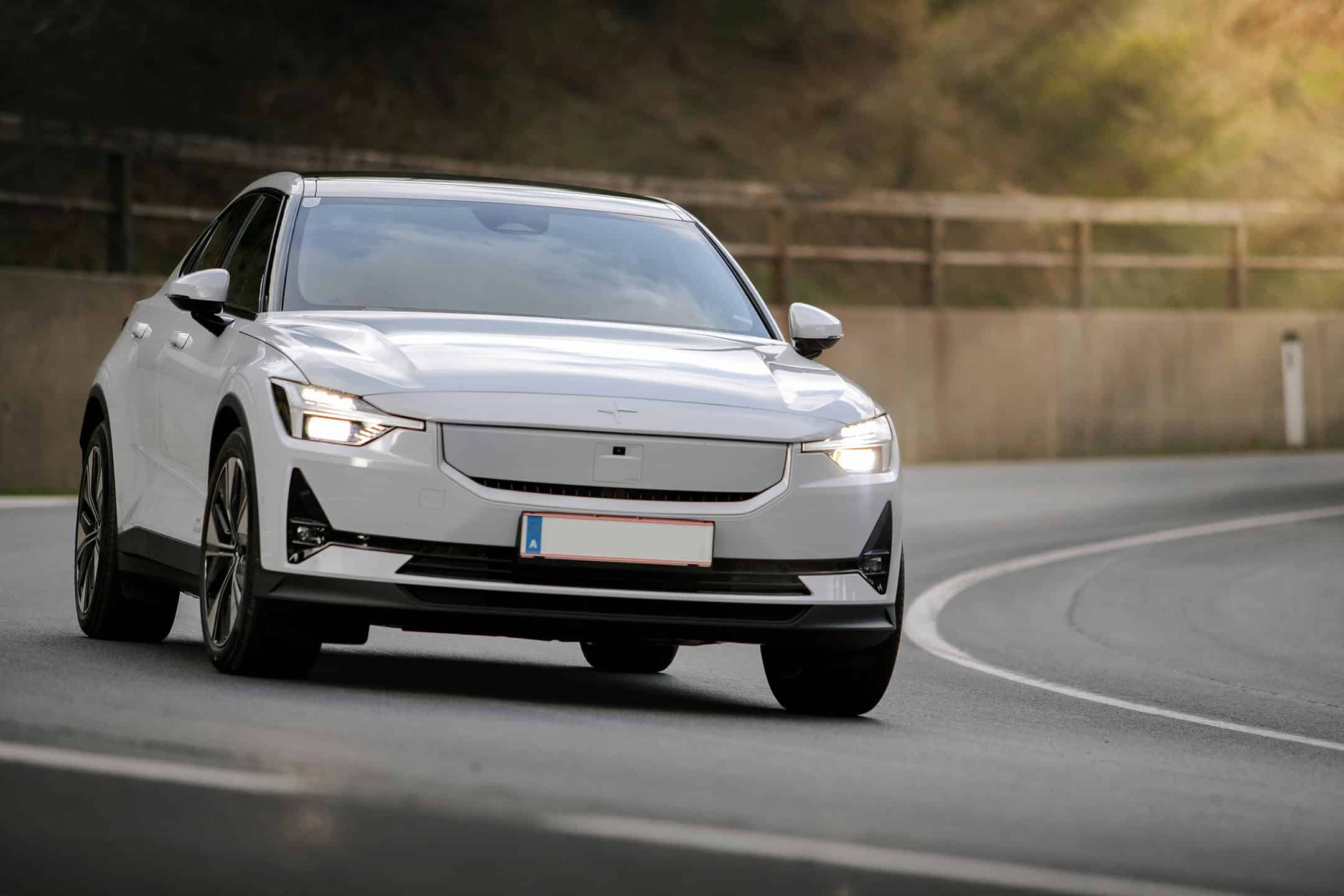
Modern electric cars are often comfortable and easy to drive over distance. Their strong acceleration can make everyday overtakes feel effortless, while the calm cabin suits a longer motorway run. For many trips, charging stops can also become useful breaks for coffee, lunch or a walk rather than time spent waiting around.
Planning matters. Cold weather, mountain roads, luggage, traffic and faster driving can all affect range, while charger availability, compatibility and pricing can differ. Build in sensible charging options, have a backup plan and avoid arriving at every stop with the battery as low as possible.
New Roads includes electric vehicle information, helping you factor charging into the wider trip alongside roads, stops and overnight stays. Always check live charging details before relying on a particular location.
Classics: character versus practicality
In a classic car, even a short drive to a favourite pub, village or coastal road can feel like a proper outing.
The car becomes part of the story, whether you are taking a small British roadster through the Cotswolds or a classic coupe into northern France. You may not cover huge miles, but that is rarely the point.
Classic car road trips benefit from a lighter plan. Keep daily distances sensible and choose a route with easy fuel stops. Carry the essentials an older car may need, including suitable oil, a basic toolkit, spare fuses and breakdown details.
It is also worth considering the road type. Narrow lanes, rough surfaces, steep mountain roads and busy town centres can all be more demanding in a car with limited cooling, braking or ground clearance. Choose roads that suit the car and give yourself enough time to enjoy the trip at its own pace.
Find out more about how New Roads works.
Matching the car to the route with New Roads
The right car can make a route better. The right route does the same for your car.
A grand tourer might suit a longer run through France and Italy. A sports car may be perfect for a weekend built around Wales, the Peaks or the Dolomites. An estate can be practical for a family break, while a classic is at its best on a route without pressure to cover big distances.
That is why New Roads starts with the car. Add your vehicle to My Garage, tell the AI chat what you are planning and it will build a bespoke trip around your time, preferences and the type of driving you enjoy. You can then review the vehicle suitability report, adjust the route in conversation and save the finished plan in My Trips.
For inspiration, explore our UK and Europe drives or read how New Roads plans bespoke road trips based on the car you drive.
Explore New Roads features then plan a road trip route around the car already on your driveway.
AI can make mistakes. Always check routes, parking, access, weather, tides, local restrictions, accommodation and vehicle suitability before travelling.
Best cars for road trips FAQs
- What is the best car for a road trip?
The best car for a road trip is the one that suits the route, distance, passengers and luggage. A GT may suit long European miles, while an estate, SUV, sports car, classic or electric vehicle may be a better fit for a different kind of drive.
- What makes a good road trip car?
Comfort, luggage space, reliability, sensible running costs and suitability for the roads you plan to drive all matter. The best choice depends on whether you are mainly covering motorway miles, exploring country roads or tackling mountain routes.
- Is an SUV or estate better for a road trip?
An estate is often better for drivers who want luggage space and simpler handling, while an SUV offers a higher seating position and more ground clearance. Check the route, parking and access roads before deciding, particularly for narrow or mountainous areas.
- What is the best electric car for a road trip?
The best electric vehicle for a road trip is one with usable range, comfortable seating and charging needs that fit your route. Check live charger availability, compatibility and pricing before relying on a planned stop.
- Are sports cars good for road trips?
Sports cars can be brilliant for road trips where the driving is the main event. Pack light, keep daily mileage realistic and choose routes, parking and accommodation that suit the car.
- What should you look for in a road trip car?
Look at comfort, luggage capacity, fuel or charging needs, width, clearance and how well the car suits the roads you want to drive. Planning around those details can make the trip feel far more straightforward.