How to Plan a Road Trip: The Ultimate Guide
A good road trip does not begin with a pin on a map. It begins with a question:
What kind of journey do you actually want?
A trip built around the fastest route will feel very different from one shaped around the car, the scenery, the places you stop and the time you have. One gets you there. The other gives you a journey worth remembering.
Each choice affects the next: what is fixed, what kind of trip you are taking, how much time you have, which roads suit the car and where the stops need to sit.
If you are wondering how to plan a road trip, get that sequence right and the planning becomes far simpler.
The New Roads road-trip planning sequence
A well-balanced road trip usually follows ten steps:
- Start with what is fixed
- Decide what kind of trip you are taking
- Set a realistic length and pace
- Choose one main driving experience for each day
- Shape the route around the car
- Plan practical and enjoyable stops
- Decide whether to tour or stay in one base
- Book what needs certainty
- Prepare the car, budget and packing
- Check conditions and refine the itinerary
You do not need to finalise every detail immediately. Start with the decisions that shape the trip, then add the finer points once the structure works.
Start with what is fixed
Every trip has something that cannot easily move.
It might be:
- The dates
- The destination
- A ferry or train crossing
- A wedding, event or family visit
- A hotel booking
- The vehicle you are taking
- A free weekend with a fixed return time
Start there.
If you begin by collecting random roads, hotels and attractions before understanding the fixed points, the itinerary can quickly become awkward. You may end up with too many miles, poorly placed overnight stops or a final day that feels more like a deadline than a drive.
Once you know what cannot change, you can build the rest of the journey around it.
Decide what kind of road trip you are taking

Most road trips fall into one of three broad categories.
Destination-led trips
The destination is the anchor.
You might be driving to the Alps, the South of France, the Scottish Highlands or a hotel you have wanted to visit for years. The route still matters, but it needs to support the destination rather than overwhelm it.
Driving-led trips
The roads are the reason for going.
This might be a Sunday loop, a long weekend in Wales, a Scottish touring route or a European journey built around mountain passes and a particular car.
A combination of both
Many of the best trips sit somewhere between the two.
You have somewhere worth reaching, but you also care deeply about how you get there. You want good roads, thoughtful stops and enough time outside the car for the trip to feel like a holiday rather than an extended transfer.
Be honest about which kind of journey you are planning.
Ask:
- Is the destination the main event?
- Is the drive the main event?
- Do I want one significant driving day or several lighter ones?
- Am I travelling alone, as a couple, with friends or with family?
- Is this a special-car trip, an electric vehicle journey or a quick escape?
- Do I want to stay in one place or move on each night?
Those answers will shape every decision that follows.
Set a realistic length and pace
Road trips often go wrong when they are planned by distance alone.
200 motorway miles are very different from 200 miles through mountain roads, villages, ferry crossings and tourist traffic. A shorter scenic route can feel like a full day when it includes narrow sections, busy towns and frequent stops.
Think in hours first and miles second.
Ask yourself:
- How many days do I have?
- How many hours do I genuinely want to drive each day?
- How much time do I want for food, walks, viewpoints or attractions?
- Do I prefer early starts or slower mornings?
- Should the first or final day be easier?
- Will I still be fresh enough to enjoy the roads that matter most?
As a broad road trip planning guide:
- Motorway transfer days can support longer driving windows
- Scenic A-road days often work well with three to five hours behind the wheel
- Mountain, coastal and rural days may need only two to four hours of driving spread across a longer day
- Family journeys usually benefit from shorter stints and more frequent stops
- Electric vehicle trips need charging time built into the schedule
- Special-car journeys may require more time for fuel, parking and road checks
The aim is not to spend as long as possible in the car. It is to create a pace you can actually enjoy.
For a longer journey, avoid making every day a headline day. A week of intense driving may look spectacular on paper, but it can become tiring when every morning begins with repacking and every evening ends in an unfamiliar hotel car park.
Allow quieter days between the bigger ones.
Choose one main driving experience each day
For most road trips, it helps to choose one section that gives each day its purpose.
That might be:
- A mountain pass
- A coastal road
- A national park
- A scenic loop
- A ferry crossing
- The journey between two particularly good places to stay
Make that section the day’s focal point, then allow the rest of the itinerary to support it.
This prevents a common mistake: trying to make every mile memorable.
Not every road needs to be remarkable. Some sections simply need to get you out of town, connect two regions or deliver you to the hotel without draining the last of your energy. Need a few ideas for the roads worth building a trip around? Read The best UK road trips: a complete guide.
A strong day often contains:
- An efficient opening section
- One rewarding central drive
- A well-positioned break
- A straightforward arrival
That shape gives the journey structure without turning it into a test of endurance.
Shape the route around the car

The car is not simply transport. It is one of the main filters for the journey.
When working out how to plan a road trip route, start with the broad shape before choosing every road, hotel and lunch stop.
A low sports car, classic grand tourer, hot hatch, electric vehicle, SUV and estate can all deliver memorable road trips, but they will not necessarily suit the same roads.
Before committing to an itinerary, consider:
- Width and length
- Ride height and ground clearance
- Ride comfort
- Luggage space
- Fuel range or charging needs
- Road width and surface
- Steep gradients
- Tight hairpins
- Traffic calming
- Parking at hotels and stops
A road that looks appealing on a map may be unnecessarily stressful in a wide or low vehicle. A rough scenic detour may suit an SUV while offering little pleasure in a sports car. A charging stop that looks convenient may not support the vehicle, connector or charging speed you need. If you are taking an electric car, read our guide to planning a road trip with an electric car for a closer look at real-world range, charging stops and building a sensible back-up plan.
If you are still deciding what to take, our guide to the best cars for road trips looks at the strengths and compromises of different types of car.
The best route is the one that suits the car you are actually taking, not the one that looks most dramatic online.
For a more detailed approach to road selection, read our guide to choosing the right road trip route for your car.
Plan practical and enjoyable stops
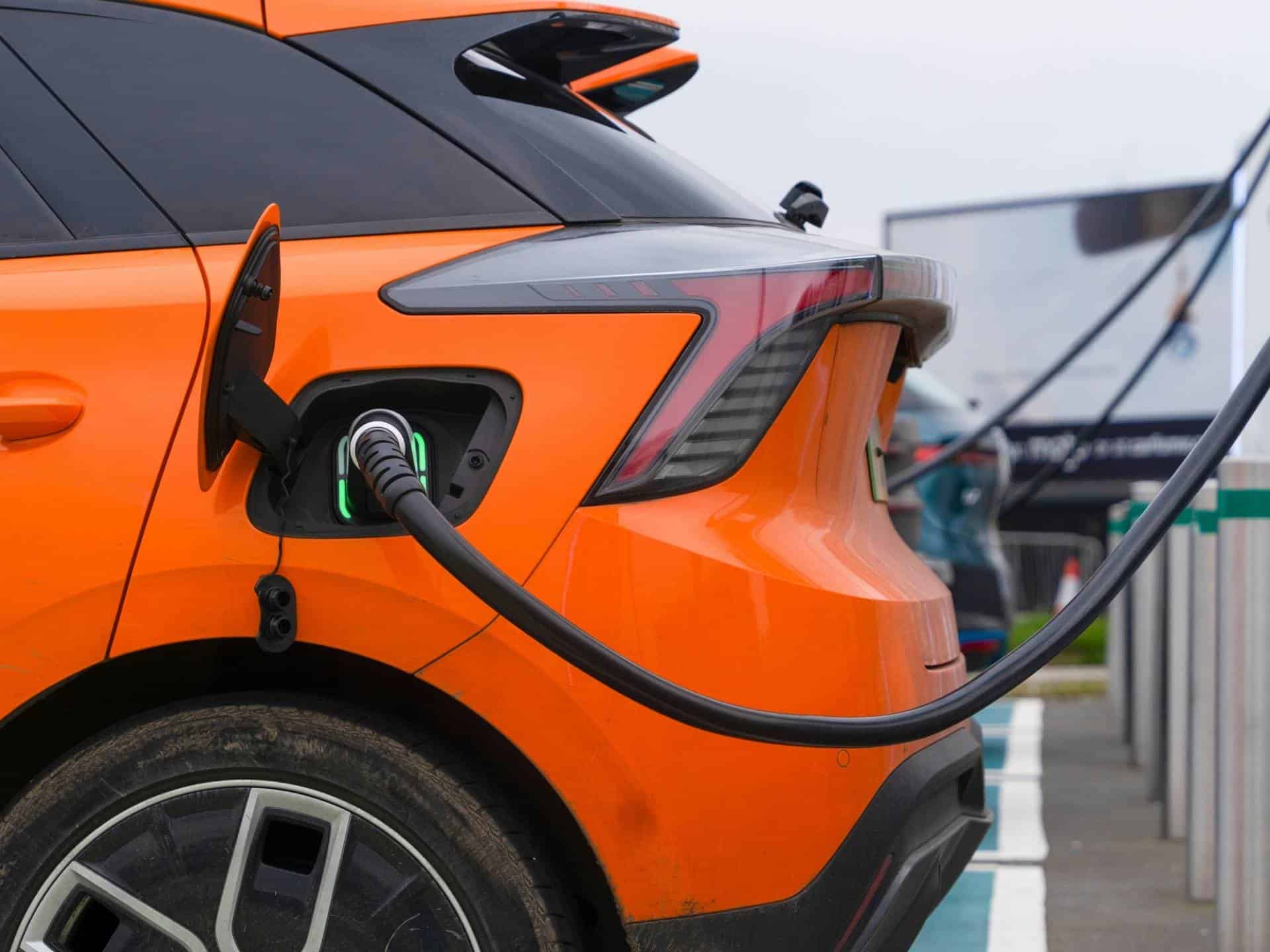
Stops are not filler. They shape the day.
A well-placed stop gives you time to reset, take in the surroundings and begin the next section with more energy. A poorly placed one can pull you away from the best road or leave you searching for fuel, food or a toilet when everyone is already tired.
Think about stops in four groups.
Practical stops
These keep the journey moving:
- Petrol
- Electric vehicle charging
- Toilets
- Ferry terminals
- Parking
- Food and water
Enjoyable stops
These make the journey feel like a trip:
- Viewpoints
- Beaches
- Walks
- Restaurants
- Cafés
- Museums
- Automotive landmarks
- Circuits and motoring attractions
Overnight stops
Accommodation affects how far you need to drive, how the day ends and how fresh you feel the following morning.
Parking matters too. A beautiful hotel may be less appealing if the only option is a tight public car park several streets away.
Backup stops
These give you flexibility if conditions change.
A backup might be:
- A nearer petrol station
- A shorter lunch stop
- A hotel with simpler access
- An alternative EV charging location
- A less demanding road
- A place to pause while you reconsider the day
Always check opening hours, booking requirements, access, parking and charging compatibility directly before relying on a stop.
Decide whether to tour or use one base
One of the most important planning choices is whether to move on every night or explore from a fixed base.
One base can be the smarter choice when the best roads are close by. You unpack once, keep the admin low and build proper day drives from somewhere comfortable. Moving on each night works better when the journey itself is the point, but every overnight stop then affects the next day’s route, timing and energy levels.
Staying in one base
One base can make a trip more relaxed.
It works particularly well when:
- You want less packing
- You are travelling with family or a group
- Secure or convenient parking is important
- The surrounding area offers several good loops
- You want flexibility around weather and energy levels
Returning to the same hotel also gives you more freedom to shorten or change a route without affecting the next day.
Moving on each night
A touring itinerary creates a stronger sense of progression.
Each morning begins somewhere new, another part of the map lies behind you and the journey feels larger as it unfolds.
This approach works well when:
- The journey itself is the purpose
- You want to connect several regions
- You are comfortable packing each morning
- The overnight stops naturally support the route
- You have enough time to avoid rushing
Combining both approaches
You do not have to choose one system for the entire trip.
Two nights in one base followed by several touring days can offer a useful balance between flexibility and momentum.
Choose the structure that supports the experience rather than assuming a road trip must involve a different hotel every evening.
Book what needs certainty
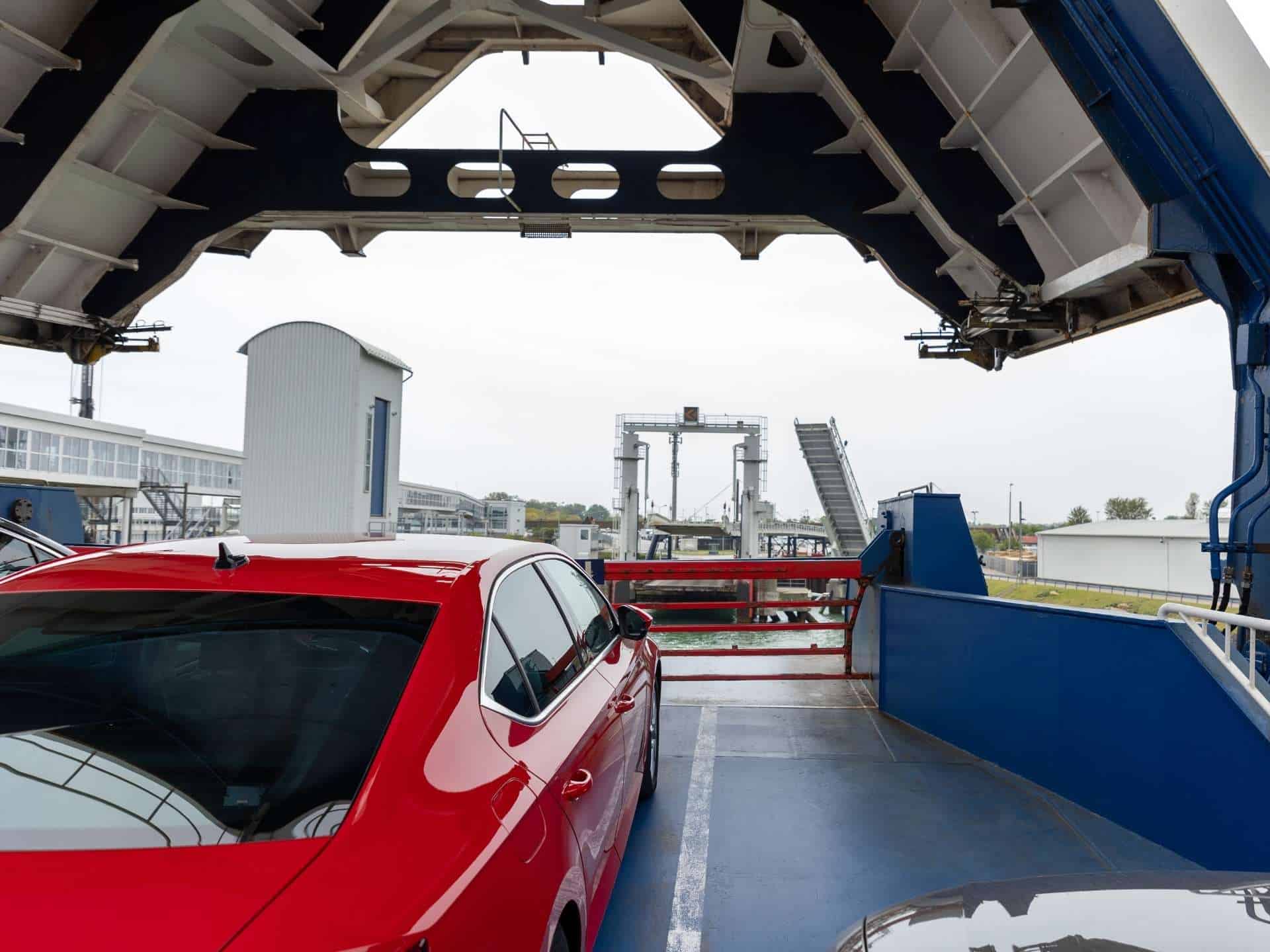
There is a balance between having enough certainty for the trip to work and leaving enough freedom for better ideas.
Consider booking ahead:
- Ferry or rail crossings
- Important hotels
- Restaurants that are part of the experience
- Attractions with limited entry
- Secure parking
- Campsites in popular areas
- Accommodation with specific vehicle requirements
Other details can often remain flexible:
- Coffee stops
- Viewpoints
- Short walks
- Lunch on changeable days
- Optional detours
- Secondary attractions
Book early when availability is genuinely limited, but do not lock every hour into place simply for the sake of feeling organised.
A road trip should leave room for the viewpoint that deserves another ten minutes, the road that is quieter than expected or the local recommendation you had not planned to find.
Prepare the car and yourself
Once the itinerary works, make sure the practical foundations are equally sound.
Prepare the car
Before a longer journey, check the basics:
- Tyres and pressures
- Oil
- Coolant
- Washer fluid
- Lights
- Wipers
- Brakes
- Fuel or charging plan
- Insurance
- Breakdown cover
- Required documents
- Charging cables or adapters where relevant
For journeys abroad, check current official guidance for every country you will visit or travel through. Requirements relating to documents, equipment, tolls, emissions zones and vehicle use can change.
Do not rely on a generic checklist as a substitute for current government and local information.
Prepare the driver
Long journeys are far easier when you are not rushing, hungry or trying to cover too much ground in one sitting.
Build proper breaks into the plan. Share the driving where possible and leave enough time to arrive calmly.
Make sure phone chargers, navigation devices and backup power are accessible. A carefully planned route is of little help when the phone carrying it has run out of battery.
Set a realistic road trip budget
Road-trip costs extend beyond fuel and hotels.
Allow for:
- Petrol or charging
- Accommodation
- Food and drink
- Ferries, tolls and crossings
- Parking
- Attractions
- Insurance extras
- Breakdown cover
- Tolls, tags or vignettes
- Contingency money
The most useful question is not simply how to make the trip cheaper. It is where spending more will genuinely improve the experience.
That might mean:
- A better hotel with secure parking
- A more convenient ferry
- An extra night to reduce the daily mileage
- A memorable lunch
- Accommodation closer to the best roads
Do not budget so tightly that a weather diversion, fuel-price change or unexpected parking charge makes the entire trip stressful. For more information, read our guide on How to budget for a road trip.
Pack the right kit
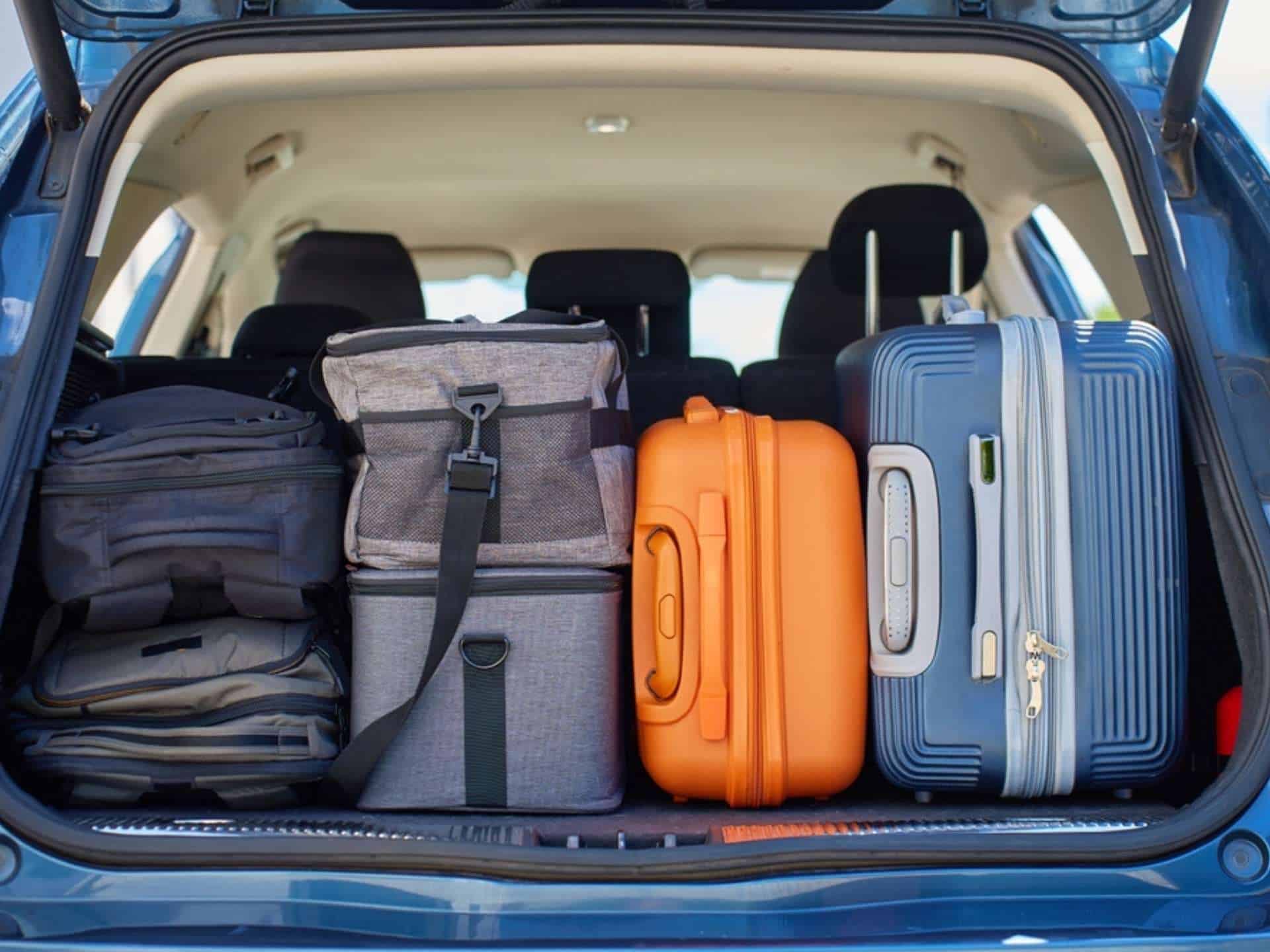
Packing should make the trip easier, not fill the boot with half the house.
Start with:
- Driving licence
- Insurance and breakdown details
- Booking confirmations
- Passport where required
- Payment cards and a backup payment method
- Phone charger
- Navigation equipment
- Water and snacks
- Sunglasses
- Weather-appropriate layers
- First aid kit where appropriate
- Torch
Then adapt the list to the journey.
A family trip may need comfort and easy access to essentials. A European driving holiday requires more attention to documents and country-specific rules. An electric vehicle trip may require charging cables, apps and alternative charging options.
For a special car, pack with the available space and weight in mind. Less is often better. The drive will feel more enjoyable when the car is not overloaded, rattling or awkward to unpack at every stop.
Check conditions and refine the itinerary

The same journey can feel entirely different depending on the season.
Summer may bring longer days and heavier traffic. Autumn can offer beautiful light alongside wet leaves and debris. Winter may bring ice, closures and poor visibility. Spring can be quieter, although conditions can still change quickly.
This matters particularly on:
- Mountain passes
- Coastal roads
- Rural lanes
- Remote routes
- Ferry-dependent journeys
If a particular road is the reason for travelling, check it during the planning process, again shortly before departure and once more on the day.
Review:
- Weather
- Closures
- Seasonal restrictions
- Parking
- Petrol and charging availability
- Ferry or train status
- Vehicle suitability
- Daylight hours
- Backup options
No planned itinerary should be treated as a live conditions report.
Use current navigation, official road information, local signage and your own judgement while driving. If the conditions no longer suit the road or the car, change the plan.
The road will still be there another day.
For a more detailed checklist before you set off, see our guide to what to pack for a road trip.
Use AI to build the itinerary, then refine it
By this stage, you have the main ingredients:
- The purpose of the trip
- The fixed points
- The available time
- The daily pace
- The vehicle
- The key roads
- The stops
- The accommodation structure
- The budget
- The backup plan
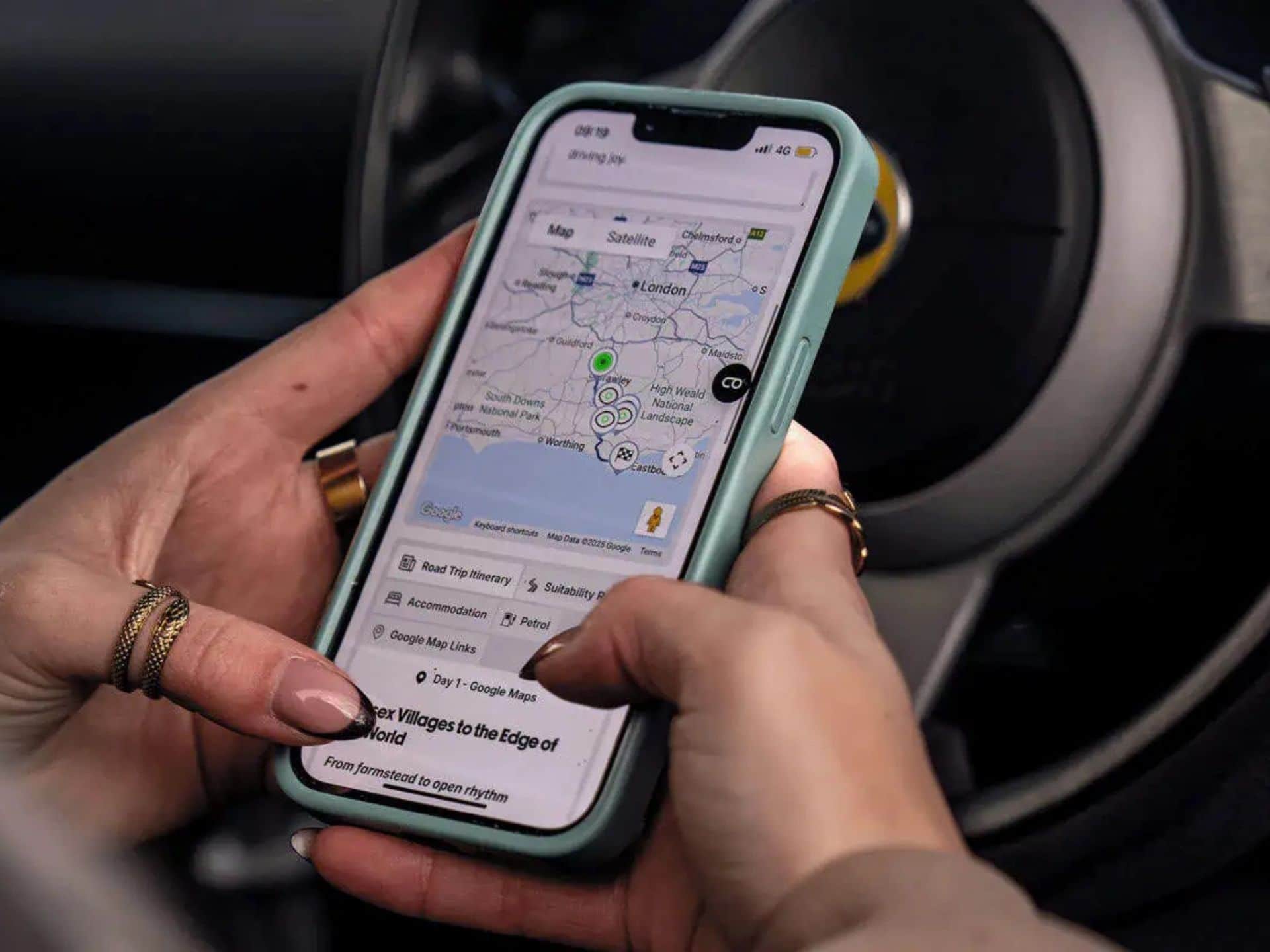
New Roads helps bring those pieces together.
Instead of juggling maps, saved posts, hotel sites and half-finished notes, you can describe the journey in normal language and develop the itinerary through a planning conversation.
For example:
“Plan a three-day road trip from London through the South Downs and Dorset for a low sports car, with scenic roads, good lunch stops, suitable hotel parking where possible and no very narrow lanes where avoidable.”
You can then refine the first version:
- Make the second day shorter
- Reduce motorway use
- Add a petrol or charging stop
- Remove an overnight stay
- Add a restaurant near the finish
- Make the final day easier
- Adjust the balance between driving and stopping
New Roads is not built to give you the quickest line between two pins. It helps shape the trip around the car you drive, how you like to drive, how much time you have and the kind of roads you want in the day.
Tell it where you are starting, where you want to go, what you drive and what sort of trip you fancy. It can help build a bespoke itinerary with roads, stops, accommodation ideas, petrol or electric vehicle charging points where available and export options for navigation.
With New Roads, you can also:
- Save vehicles in My Garage
- Review route-suitability information
- Add, remove or change stops
- Find hotels, restaurants and points of interest
- Identify petrol and charging locations
- Save itineraries in My Trips
- Export routes using supported map or GPX options
Exported routes should always be reviewed before departure. Navigation platforms may interpret or recalculate parts of a journey differently.
New Roads supports the planning process. It does not replace live navigation, official road information or driver judgement.
Road-trip planning checklist
Before setting off, check the following.
Trip
- Do I know whether the destination or the drive matters most?
- Is the pace realistic?
- Have I chosen one base, a touring itinerary or a combination?
- Does each day have one clear purpose?
Route
- Have I reviewed the journey properly?
- Does it suit the car?
- Have I checked closures and conditions?
- Is there a shorter backup?
- Will I use live navigation and follow local signs?
Stops
- Are petrol or charging locations realistic?
- Have I checked charging compatibility where relevant?
- Are hotels, restaurants and attractions open?
- Is the parking suitable?
Car and driver
- Have I checked tyres, fluids, lights and wipers?
- Do I have the documents I need?
- Are chargers and navigation ready?
- Have I planned enough breaks?
Budget and packing
- Have I included fuel, charging, tolls, ferries, food and parking?
- Is there contingency money?
- Have I packed what I need without overloading the car?
Refine anything that remains unclear before you leave.
Common road-trip planning mistakes
Most difficult road trips are not ruined by one dramatic problem. They become tiring through a collection of smaller assumptions.
Common mistakes include:
- Choosing the fastest route automatically
- Planning by mileage rather than time
- Adding too many stops
- Ignoring the vehicle
- Booking accommodation without checking parking
- Forgetting tolls, ferries or local requirements
- Treating charging as an afterthought
- Assuming every scenic road suits every car
- Leaving the best section until the driver is tired
- Failing to check seasonal closures
- Packing too much
- Having no backup route
A little more thought before departure can make the journey feel considerably easier once you are behind the wheel.
How far in advance should you plan a road trip?
It depends on the scale of the journey.
A simple day drive may need only a short planning session and a final conditions check. A weekend away may require earlier accommodation or restaurant bookings. A summer European journey may need more lead time for ferries, crossings, popular hotels and mountain regions.
A sensible approach is to:
- Plan the broad structure
- Book anything likely to sell out
- Keep non-essential details flexible
- Review the itinerary close to departure
- Check live conditions on the day
Do not confuse early planning with complete planning. A route built months in advance still needs checking before you drive it.
The best road trip is one you can enjoy
Planning a road trip is not about building the longest itinerary or collecting the greatest number of destinations.
It is about fit.
The journey should fit the car, the available time, the budget, the passengers and the kind of driving you want to experience. It should have enough structure to work without making every stop feel like a deadline.
The best answer to how to plan a road trip is to build it in layers. Start with what is fixed. Decide what kind of trip you are taking. Set the pace. Choose one meaningful driving experience each day. Shape the roads around the car. Add the stops, accommodation and practical details that allow the journey to flow.
Then leave enough space for the road trip to surprise you.
Less time planning. More time driving.
Explore the New Roads features to see how the app helps with AI chat, bespoke itinerary planning, vehicle suitability, petrol and electric vehicle charging points where available, My Trips and route export.
You can start on the free tier and try an AI-built itinerary before subscribing. Use it to get a strong first version of the trip, then review, tweak and check the important details before you drive.
Find out how it works and start planning your next journey with New Roads.
AI can make mistakes. Always check routes, conditions, bookings, road restrictions, petrol, charging and vehicle suitability before setting off.
Road trip planning FAQs
- How do I start planning a road trip?
Begin with what is fixed, such as your dates, destination, event or vehicle.
Then decide whether the destination, the driving or a combination of both matters most. Once that is clear, you can set the pace, choose the broad route and add stops.
- What should I plan first for a road trip?
Plan the overall structure before booking random hotels or collecting map pins.
Start with the fixed points, trip type, available time and realistic daily pace. The route, stops and accommodation should follow from those decisions.
- How far in advance should I plan a road trip?
For a simple weekend trip, a few weeks can be enough if accommodation is easy and the route is flexible. For a longer trip, a European driving holiday or a route involving ferries, events or popular hotels, start earlier.
Build the broad structure first, then check the final route, bookings and conditions again close to departure.
- How do I plan a road trip route?
Start with your departure point, destination or return point, available time and any roads or places that matter.
Then check that the broad route suits your vehicle and add overnight stops, food, petrol, charging and backup options. Review current conditions before driving.
- How many miles a day is reasonable on a road trip?
There is no single answer because the road type matters more than the distance.
Motorway miles are very different from mountain, coastal or rural miles. Plan around time, effort, breaks and the character of the roads rather than mileage alone.
- How do I budget for a road trip?
Include petrol or charging, accommodation, food, parking, tolls, ferries, attractions, insurance requirements, breakdown cover and contingency money.
Allow space for changes rather than planning to the absolute limit of the budget.
- What do I need to pack for a road trip?
Take the documents, payment methods, navigation equipment, chargers, water, clothing and practical kit needed for the journey.
Adapt the packing list to the vehicle, passengers, destination and countries involved. Avoid carrying more than the car can accommodate comfortably.
- Can AI plan a road trip?
AI can help create a strong first version of an itinerary.
New Roads allows you to describe the journey you want, then refine the route, stops and pace around your car and preferences. You should still review the plan and check all important details before travelling.