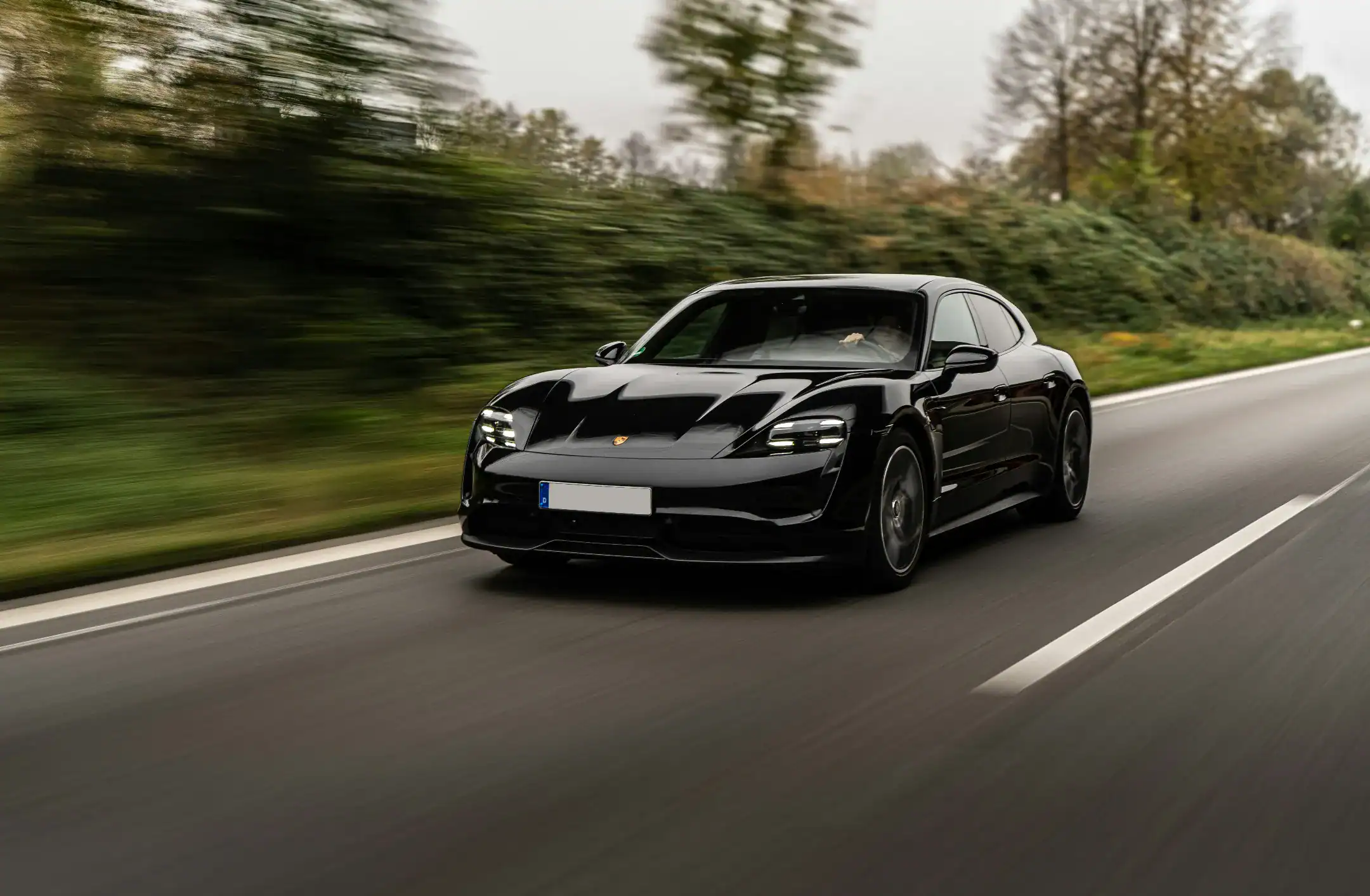
What to pack for a road trip
Written by Steve James-Royle
A good road trip packing list keeps the useful bits easy to find when you need them. Keep your charging cable, waterproofs and important documents within reach, so they are ready when the weather changes or you reach a ferry terminal.
What to pack for a road trip depends on where you are going, what car you drive and how long you’re going for. But a few road trip essentials are worth sorting before almost any trip.
This is a general checklist for UK and European drives. If you are heading somewhere more remote, such as the Highlands, pack around the specific weather, road conditions and distances involved as well.
The essentials checklist, grouped by category
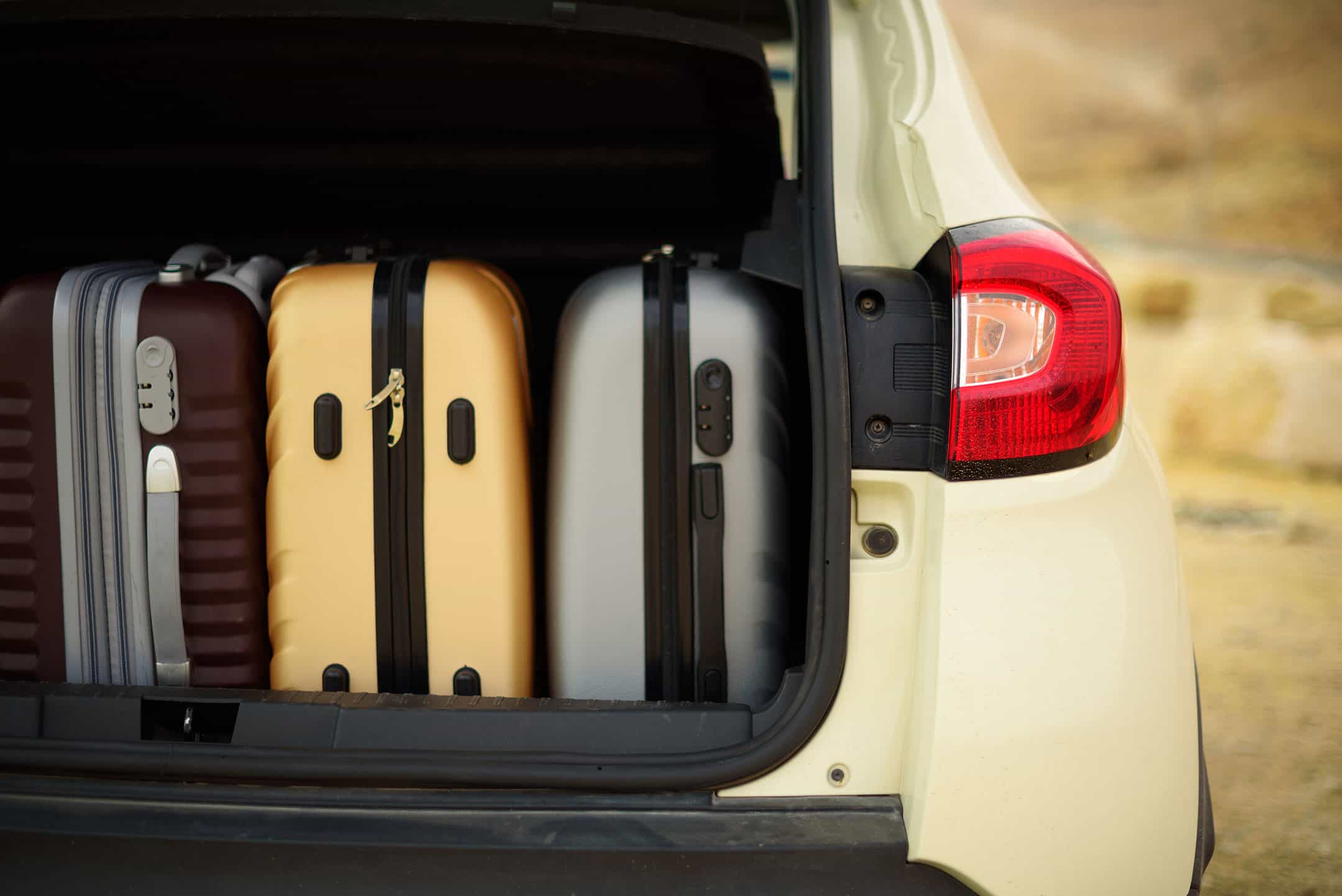
Start with the basics. You don’t need to buy a load of gear for every trip, but getting organised before you leave makes the journey easier.
Bags, clothes and everyday essentials
Pack for the trip you are taking, rather than the weather forecast you hope for.
- A small overnight bag or holdall – easier to fit around the rest of the boot
- Comfortable driving shoes
- A waterproof jacket or extra layer
- Sunglasses
- Toiletries and medication
- Refillable water bottle
- Small day bag for walks, town stops or taking valuables out of the car
- A towel or blanket for muddy boots, wet dogs or an unplanned swim
- A torch or head torch
Soft bags are often easier than hard cases, especially if your car has a smaller boot or you are taking more than one passenger. It is also worth keeping a jacket, water and anything you may need on the road within easy reach rather than packing it beneath everything else.
Tech and cables
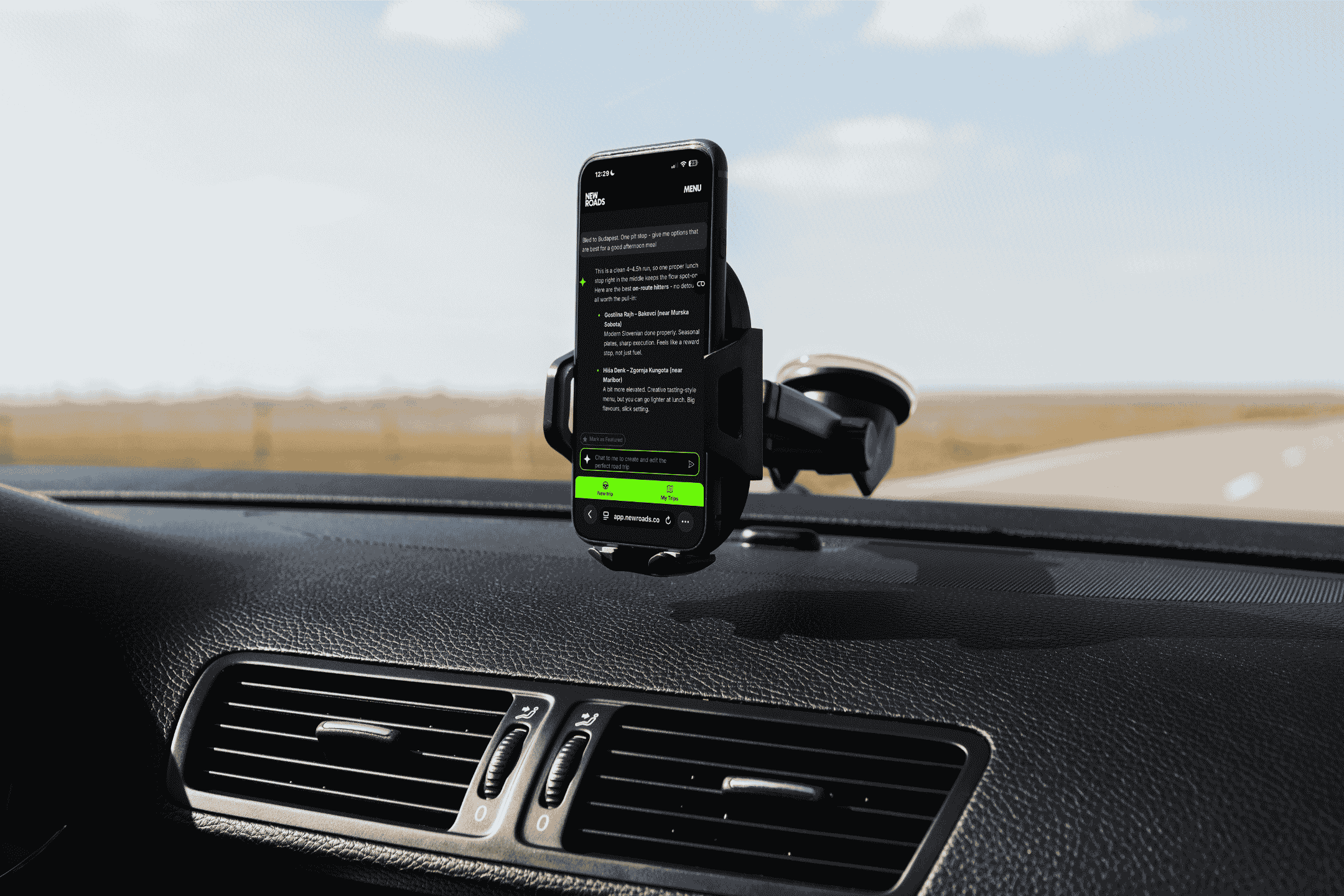
Most road trips involve more tech than you may expect. Phones handle navigation, booking details, music, photos and more, so keep the essentials charged and within reach.
- Phone charger
- Long connection lead for phones
- In-car USB adaptor or charging lead
- Power bank or battery jump pack with charging cable
- Phone holder
- Camera and spare battery
- Charging cables for smartwatches, tablets or headphones
- GPX device or cable, if you use one
- Offline maps downloaded before you leave
- Small extension lead for accommodation with limited plug sockets
If you are in an electric vehicle, bring the charging cables and adaptors you would normally use, then check charger availability, compatibility and access before relying on a stop.
Car and safety kit
Give your car a quick check before you load up and leave. A few practical bits in the boot can make a big difference if you need them on the road.
- Tyre pressure gauge
- Tyre pump or inflator
- Tyre foam or puncture repair kit
- Locking wheel nut key
- Battery jump kit or jump leads
- Warning triangle
- High-visibility vest for every person in the car
- First-aid kit
- Emergency foil blanket
- Torch
- Gloves
- Spare fuses
- Spare light bulbs
- Screenwash
- Glass cleaner and microfibre cloths
- Bug remover spray
- Detailer spray and microfibre cloths, if your car has paint protection film
- Ice scraper in colder months
- Basic multitool or small tool kit
If you are taking a classic, add a small bottle of suitable engine oil and a spare fan belt. It is also worth knowing where your locking wheel nut key, towing eye and recovery point are before you need them.
Check your tyres, lights, fluid levels and fuel or charge before setting off. If you are taking a car that is low, wide, older or less suited to narrow lanes, build the route around it and treat the vehicle suitability report as an advisory check, not a guarantee.
Documents and the legal extras for Europe
For a UK road trip, keep your driving licence, insurance details and breakdown information easy to find. A printed copy of key booking details can also be useful when signal is patchy or your phone battery is low.
When driving from the UK to Europe, keep the original V5C log book and printed insurance documents in the car, alongside your passport, driving licence and breakdown details. If the car is hired, leased or owned by a company, take the relevant permission document instead, such as a VE103 where required.
Your European road trip checklist should include:
- Passport
- Driving licence
- Original V5C registration document
- Printed insurance certificate or policy details
- Toll tags (for France suggest Emovis tag)
- Breakdown cover details
- Travel insurance information
- Ferry or Channel Tunnel booking confirmation
- Hotel and accommodation details
- Permission to take the car abroad, if it is hired, leased or a company vehicle
- A UK sticker, if your number plate does not display the UK identifier with the Union flag
- Warning triangle
- High-visibility vests
- Any country-specific documents for tolls, emissions zones or winter driving
Requirements can change between countries, regions and seasons. Check official guidance for every country on your route before travelling, especially for safety equipment, tolls, emissions zones, winter tyres and road charges.
For more on crossings, documents and planning a route beyond the UK, see our best European road trips.
Comfort, food and entertainment
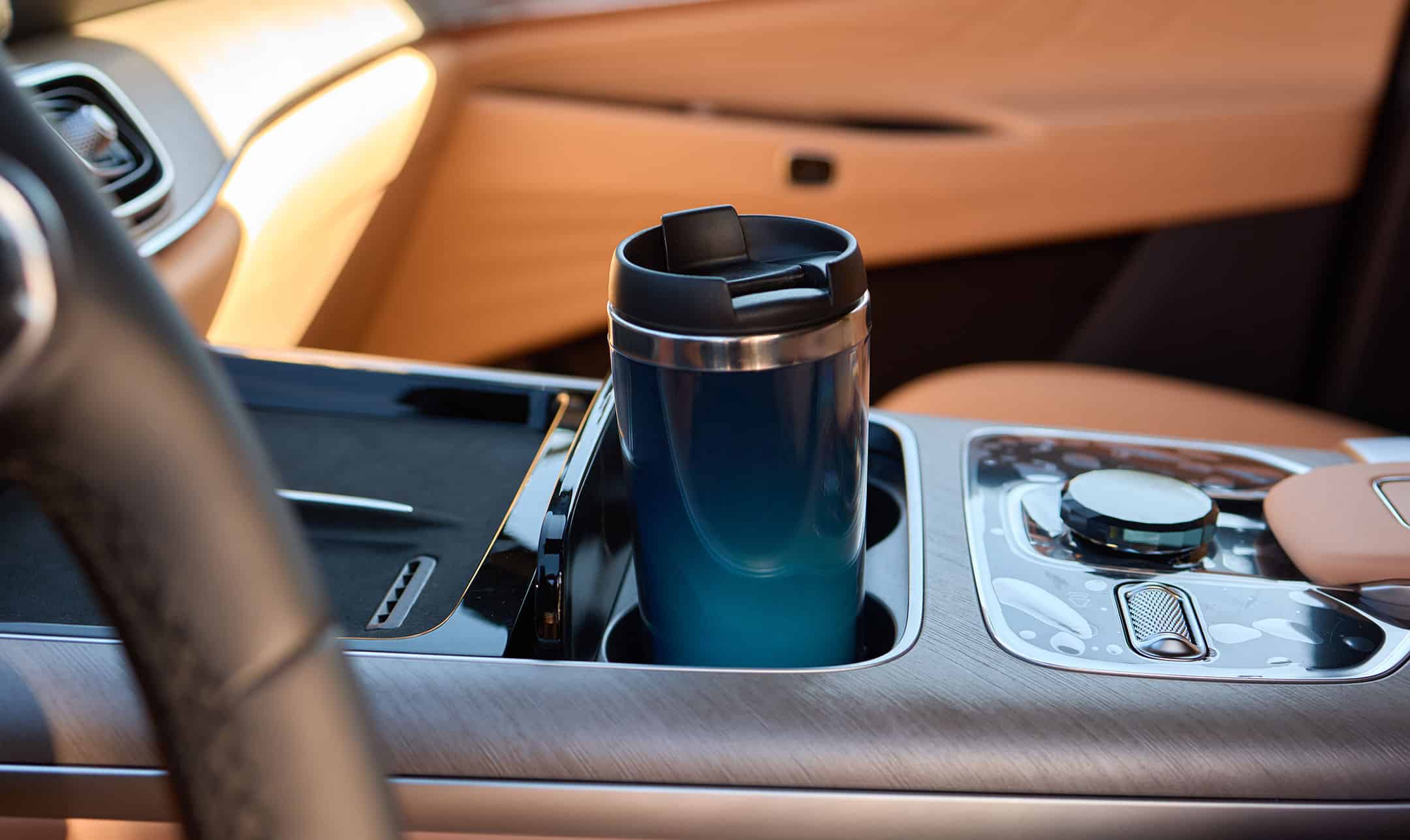
A road trip is best when the passengers are comfortable and nobody is hunting for a service station because they skipped breakfast.
Keep the food simple and easy to eat when parked:
- Water
- Coffee flask
- Fruit
- Cereal bars, nuts or snacks
- Sandwiches for the first day
- Wet wipes and tissues
- Reusable cutlery
- Cooler bag, if you have space
- Dog treats and water bowl, if your co-driver has four legs
For the driving hours, download playlists, podcasts or audiobooks before you leave. Signal can be patchy on rural routes, in the mountains and on ferry crossings.
A printed map is not essential for every trip, but it can still be useful when you want to see the bigger picture. It is easier to spot an interesting detour, a quieter road or a worthwhile stop when you are not looking at a small screen.
What most people forget
The most useful items are often the small ones that are easy to overlook when packing.
A few worth adding to your road trip packing list:
- Spare glasses or contact lenses
- Sun cream
- Lip balm
- Hand sanitiser
- A laundry bag for damp clothes
- Pen and notebook
- Coins or a payment card that works for parking and tolls
- Spare carrier bags
- Small umbrella
- Spare car key, kept separately where possible
- Roof box key, if you are using one
- Dog leads, bedding, towel and water bowl if you are travelling with a dog
If you are travelling with children, bring a separate bag for the back seat with snacks, games and chargers. Before booking accommodation, also check parking, charging and late-arrival arrangements.
Plan the trip itself with New Roads
Packing is only half the job. The other half is making sure the drive is enjoyable.
If you have an idea but no interest in spending your evening jumping between maps, booking sites and forum threads, New Roads can help. Tell it where you are starting, what you drive, how long you have and the sort of roads you fancy.
It will then build a bespoke itinerary with roads, stops, accommodation suggestions and petrol or electric vehicle information where supported. You can then tweak the trip in the AI chat, save it in My Trips and export the route to Google Maps or GPX where available.
For a fuller guide to building a route, see how to plan a road trip. Or explore the features of New Roads and start planning your next drive.
AI can make mistakes. Always check routes, parking, access, weather, tides, local restrictions, accommodation and vehicle suitability before travelling.
Road trip packing FAQs
- What should you pack for a road trip?
Pack your documents, phone charger, water, snacks, suitable clothes and a small car safety kit. Add anything specific to your destination, passengers, weather or vehicle before you leave.
- What are road trip essentials?
Road trip essentials include your driving licence, insurance details, phone charger, water, basic first-aid kit and a few practical car items such as a tyre inflator or puncture repair kit. For Europe, you may also need additional documents and country-specific equipment.
- What should you keep in the car on a road trip?
Keep anything you may need during the day within easy reach, including water, a charging cable, sunglasses, a jacket, snacks and key documents. Store heavier bags and less urgent items securely in the boot.
- What documents do you need for a road trip?
For a UK trip, take your driving licence, insurance and breakdown information. For Europe, check official advice for your passport, vehicle documents, insurance, travel cover and any country-specific requirements.
- What emergency kit should you take on a road trip?
A useful emergency kit includes a first-aid kit, high-visibility vests, warning triangle, torch, gloves, emergency foil blanket, tyre pump or repair kit and battery jump kit. For a classic, it is sensible to add spare fuses, bulbs, a fan belt and a small oil top-up bottle.
- What snacks are best for a road trip?
Choose snacks that are easy to eat when parked, such as fruit, cereal bars, nuts and sandwiches. Bring plenty of water and avoid relying on finding food when you need it.