Five-day NC500 itinerary: daily route, stops and overnight bases
The North Coast 500 can be driven in five days, but only if the itinerary stays focused.
This NC500 itinerary gives you a clear five-day structure without pretending every beach, castle, walk and viewpoint will fit comfortably. The route covers approximately 516 miles before diversions, with more than 100 miles a day on roads that can include single-track sections, slow traffic, cyclists, livestock and fast-changing weather.
This is not motorway mileage.
The route travels anticlockwise from Inverness, starting with the more straightforward east before moving across the north coast into Assynt, Wester Ross and Torridon. The final day includes Applecross and Bealach na Bà as an option only when the vehicle, weather and driver are suited to it.
For the full route overview, use the main NC500 road trip guide alongside this itinerary.
Five-day NC500 route at a glance
This is an NC500 itinerary with stops, overnight bases and realistic drive-time estimates, not a list of every possible detour.
| Day | Route | Preferred overnight base | Approximate mileage | Driving time before stops |
| Day 1 | Inverness to Wick | Wick | 105-125 miles | three to four hours |
| Day 2 | Wick to Durness | Durness | 105-125 miles | three-and-a-half to four-and-a-half hours |
| Day 3 | Durness to Ullapool | Ullapool | 105-140 miles | three-and-a-half to six hours |
| Day 4 | Ullapool to Shieldaig | Shieldaig | 100-120 miles | three-and-a-half to five hours |
| Day 5 | Shieldaig to Inverness | Inverness | 80-130 miles | two-and-a-half to five-and-a-half hours |
These figures are broad planning estimates. They exclude meals, walks, attractions, photographs and delays.
The Day 3 and Day 5 distances vary because each includes a shorter route and a more ambitious optional version.
Is five days enough for the NC500?
Yes, five days is enough to complete the NC500 and experience its changing landscapes.
It is not enough to include every beach, castle, walk, distillery and viewpoint without making the journey feel rushed.
A five-day trip works best when you:
- Choose one main experience each day
- Limit the number of secondary stops
- Book accommodation before travelling in busy periods
- Plan by time rather than mileage alone
- Leave room for food, petrol, charging and weather
- Treat optional detours as genuinely optional
- Accept that some places will be saved for another trip
Five days suit drivers who want a focused touring journey and are comfortable with several full days on the road.
Seven days or longer will feel more relaxed when you want slower mornings, substantial walks, multiple beach stops or more flexibility around changing conditions.
If you have more time, use the seven-day NC500 route planner for a slower version with more space for beaches, walks and weather changes.
First-time visitors should also read our NC500 first-timer guide before departure.
Why this itinerary travels anticlockwise
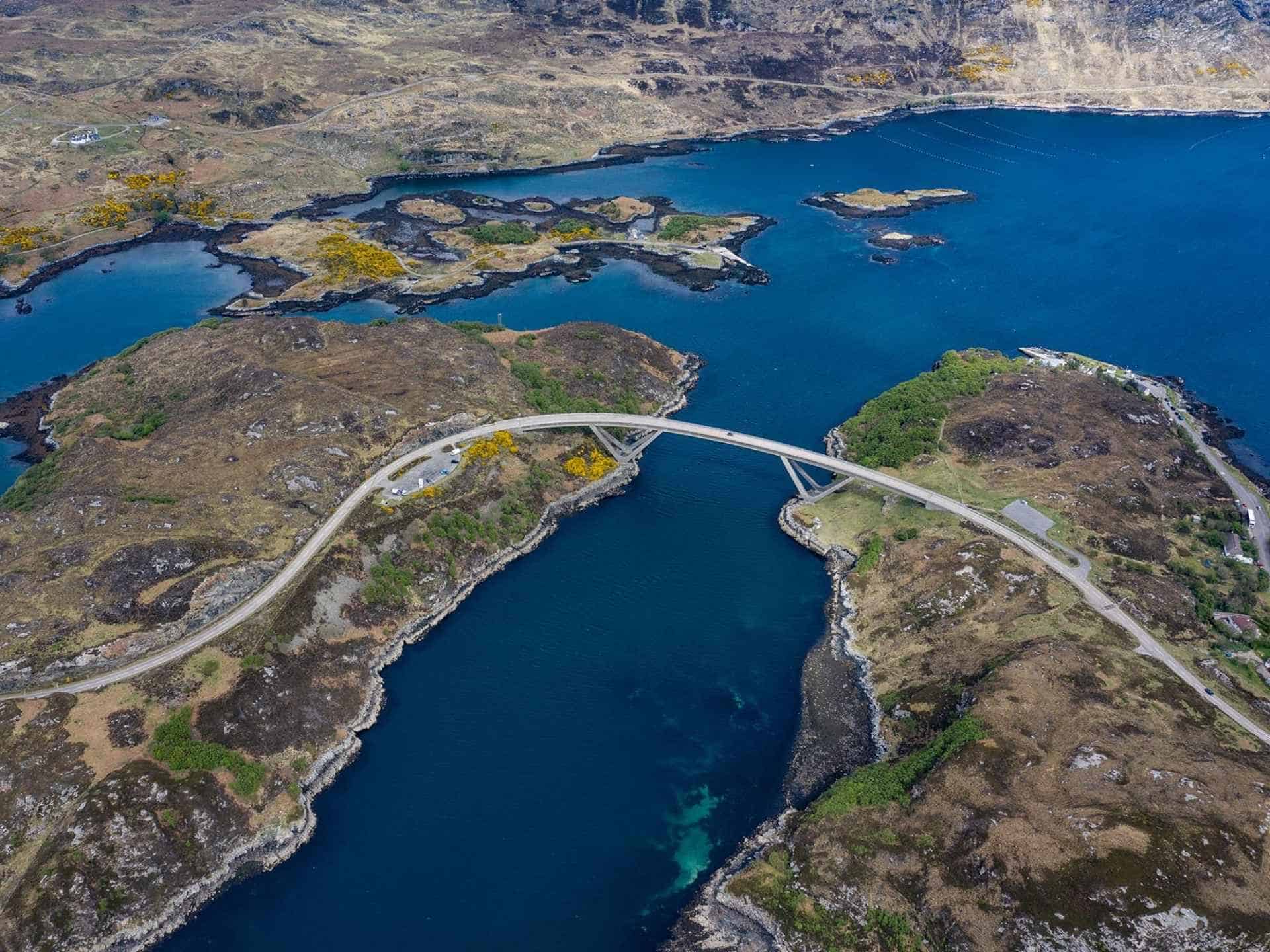
The NC500 can be driven in either direction.
This NC500 five-day route travels anticlockwise because it gives the five days a useful sense of progression. The eastern section provides a relatively straightforward introduction before the roads become slower and more involved across the north-west and west.
The route broadly follows:
- Inverness and the east coast
- Caithness and the north coast
- Durness, Kylesku and Assynt
- Ullapool, Gairloch and Torridon
- Applecross where appropriate, followed by the return to Inverness
Clockwise can work equally well when it better suits accommodation, weather or your wider travel plans. Anticlockwise is a deliberate choice for this itinerary, not a universal rule.
The NC500 must-see stops are not all essential on a shorter trip. Choose the ones that define each day and leave the rest for another journey.
Day 1: Inverness to Wick

Approximate mileage: 105-125 miles
Driving time before stops: three to four hours
Preferred overnight base: Wick
Day-defining priority: Dunrobin Castle or another substantial east-coast visit
Optional stops: Dornoch, Whaligoe Steps or Duncansby Head
The first day introduces the route without immediately demanding long stretches of single-track driving.
Leave Inverness and travel north through the Black Isle and across the Cromarty Firth. The landscape gradually opens as you move through Easter Ross and towards Sutherland.
Wick is the preferred overnight base because it offers a useful combination of accommodation, food and services while placing you well for the north coast the following morning.
Priority stop: Dunrobin Castle
Dunrobin Castle is one of the east coast’s defining attractions and deserves more than a hurried photograph from the road.
If you plan to visit the castle and grounds, treat it as the main activity of the day. Check current opening dates, admission times and seasonal arrangements directly before travelling.
A full visit may leave time for one or two shorter stops, but not every attraction on the east coast.
Recommended short stop: Dornoch
Dornoch can provide an early break, with a compact centre and access to the coast.
It works well for coffee, a brief walk or lunch, depending on your departure time from Inverness. Keep the stop measured if you are also planning a substantial castle visit.
Optional stop: Whaligoe Steps
Whaligoe Steps can add a more unusual coastal experience, but they require time, suitable conditions and consideration for nearby residents.
The descent and return are more involved than a roadside viewpoint. Parking is limited and the access passes close to private homes.
Include Whaligoe only when:
- The weather is suitable
- You have enough daylight
- You are comfortable with the descent and climb
- The day is progressing comfortably
- You can park without obstructing local access
Optional late stop: Duncansby Head and Stacks
Duncansby Head lies beyond John o’ Groats and can be visited late on Day 1 when the weather, daylight and driver’s energy allow.
The sea stacks require a walk beyond the parking area. They should not be treated as another five-minute stop.
When the day already includes Dunrobin Castle or Whaligoe Steps, leave Duncansby for the following morning.
Suggested Day 1 plan
A balanced day could include:
- Depart Inverness
- Short stop in Dornoch
- Main visit at Dunrobin Castle
- Continue to Wick
- Evening meal and early night
A more landscape-led alternative could skip the castle, include Whaligoe Steps and continue towards Duncansby Head before returning to Wick.
Trying to complete every option will undermine the purpose of the itinerary.
Day 2: Wick to Durness
Approximate mileage: 105-125 miles
Driving time before stops: three-and-a-half to four-and-a-half hours
Preferred overnight base: Durness
Day-defining priority: the journey across the north coast
Recommended stops: Dunnet Head or Castle of Mey, plus Smoo Cave or Balnakeil
Day 2 takes you from Caithness across the north coast towards Durness.
The landscape becomes broader and more remote, while services and stopping points become more widely spaced. This is the day to begin adjusting to the slower rhythm of the route.
The priority is the journey west rather than collecting every attraction around the eastern end of the coast.
Choose one: Dunnet Head or Castle of Mey
Dunnet Head is a landscape-led detour and the most northerly point of mainland Britain. It works best in clear conditions when you want an open coastal stop.
Castle of Mey is a formal visitor attraction with seasonal opening days and times. It requires more planning and a larger part of the morning.
Do not assume the castle will be open on the day you travel. Check its current schedule directly.
Choose between these stops according to:
- Opening arrangements
- Weather
- The time you left Wick
- Whether you visited Duncansby Head on Day 1
- How much time you want around Durness
The north coast drive
Continue west through Thurso, Bettyhill and Tongue.
The Kyle of Tongue is one of the day’s defining stretches. Give the road and surrounding landscape enough attention rather than treating it as a connection between map pins.
Petrol or charging should be considered before entering the more remote sections. Opening times and availability can vary, particularly outside the busiest season.
Choose one main Durness stop
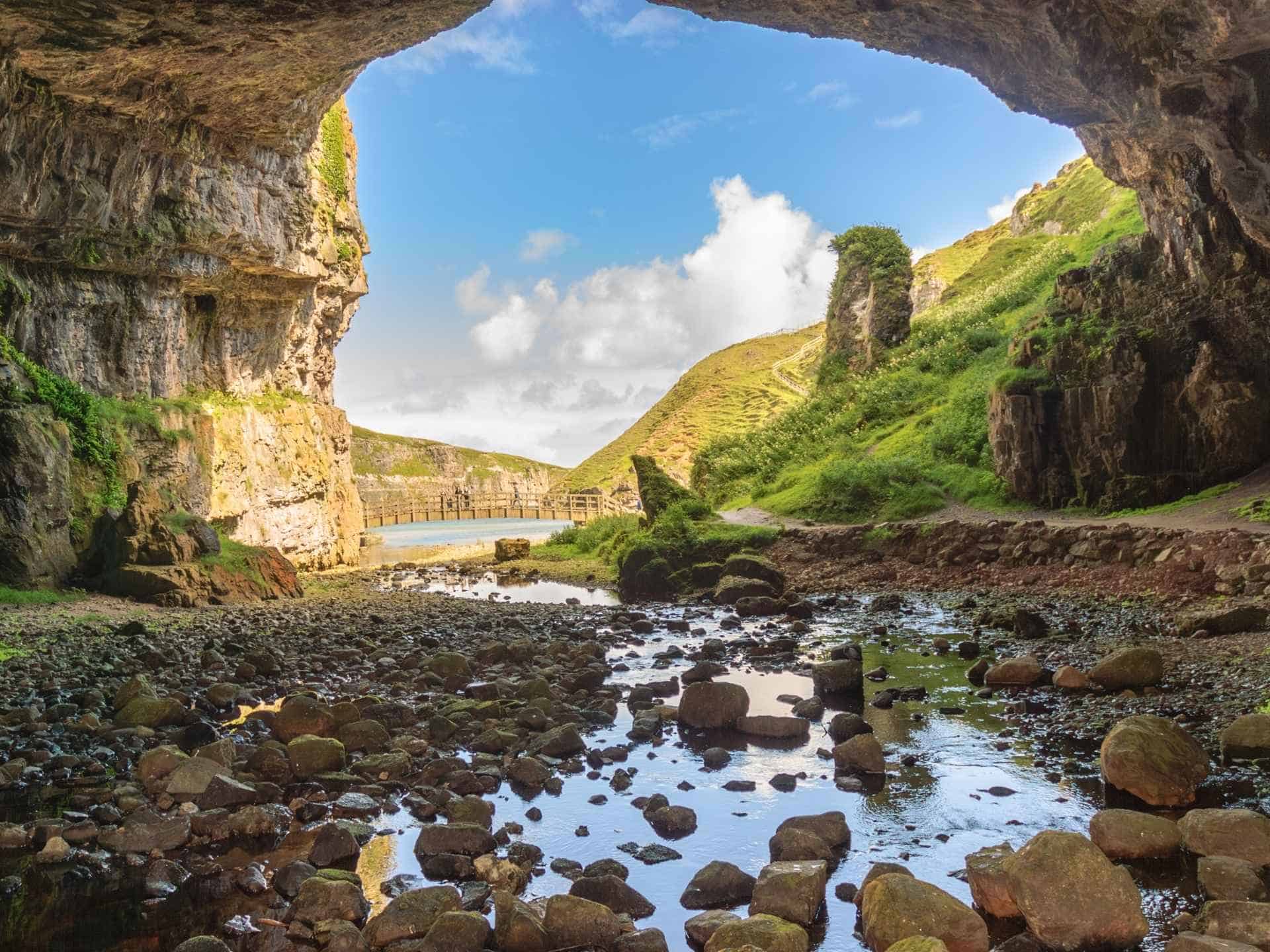
When you reach the Durness area, choose either Smoo Cave or Balnakeil Beach as the main late-afternoon stop.
Smoo Cave
Smoo Cave sits close to Durness and can be relatively easy to include.
Access, tours and conditions may change with weather and water levels. Check current information before relying on a particular experience or tour.
Balnakeil Beach
Balnakeil rewards a longer walk and a slower pace.
It works particularly well when the weather is suitable and you would prefer an outdoor coastal stop after the drive across the north.
The beach should not be squeezed into the day merely because it is nearby. Allow enough time to park responsibly and enjoy it.
Suggested Day 2 plan
A balanced day could include:
- Leave Wick
- Visit Dunnet Head
- Continue west through Thurso
- Pause around the Kyle of Tongue
- Reach Durness
- Visit Smoo Cave
- Overnight in Durness
When Castle of Mey is the priority, reduce the other morning stops and keep Balnakeil as an optional evening visit.
Staying in Tongue or Bettyhill can be useful when accommodation in Durness is unavailable, but it adds meaningful distance to Day 3. Recalculate the following day rather than treating the locations as interchangeable.
Day 3: Durness to Ullapool
Preferred overnight base: Ullapool
Day-defining priority: Kylesku and the Assynt landscape
Direct route: approximately 105-115 miles and three-and-a-half to four-and-a-half hours before stops
Coastal Assynt option: approximately 120-140 miles and four-and-a-half to six hours before stops
Day 3 is where the route begins to feel distinctly north-western.
The roads are slower, the landscape feels larger and short distances can occupy much more of the day than expected.
There are two sensible ways to approach this section.
Option one: direct route to Ullapool
This is the recommended version for most five-day itineraries.
Travel south from Durness through Scourie and Kylesku before continuing through Assynt towards Ullapool.
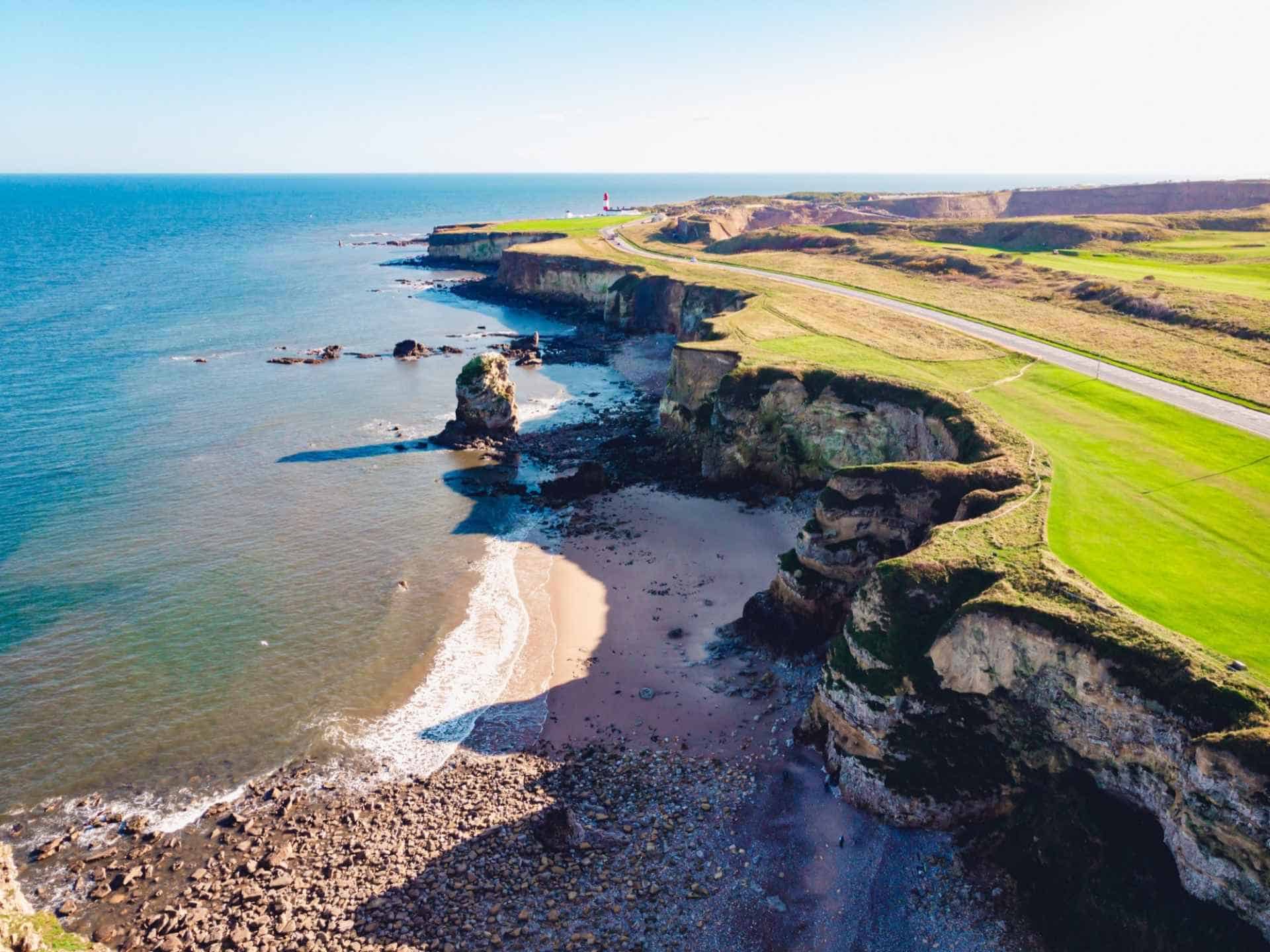
Priority stop: Kylesku Bridge
Kylesku Bridge is a natural place to pause and marks a memorable transition into Assynt.
Use designated parking and keep the stop proportionate to the wider day.
Choose one Assynt stop
Choose either Loch Assynt or Ardvreck Castle rather than attempting to stop at every viewpoint.
Ardvreck Castle provides a recognisable historical landmark beside the loch, but conditions underfoot and parking should be checked.
Finish in Ullapool
Ullapool offers food, accommodation and practical services at a useful point in the route.
Arriving with time for an evening meal gives the day a satisfying conclusion and allows you to begin Day 4 rested.
Option two: Lochinver and coastal Assynt
This longer version is suitable when Achmelvich or the Lochinver coast is one of the trip’s priorities.
After Kylesku, divert towards Lochinver and choose one substantial coastal stop.
Achmelvich Beach
Achmelvich involves a slower single-track approach and can be busy during good weather.
Treat it as one of the day’s main experiences, not an incidental detour.
Consider:
- Parking availability
- Your vehicle’s width and ground clearance
- How comfortable you are on single-track roads
- Whether the day has enough remaining time
- Your expected arrival in Ullapool
When Achmelvich is included, reduce the other stops and leave Durness early.
Travellers in larger vehicles should check route-specific advice before using smaller coastal roads around Assynt.
Alternative overnight: Lochinver
Staying in Lochinver can make sense when the coastal Assynt experience matters more than reaching Ullapool.
However, this changes Day 4 substantially. Do not select Lochinver merely because Ullapool accommodation is unavailable without recalculating the next day.
Suggested direct Day 3 plan
- Leave Durness
- Short stop around Scourie
- Pause at Kylesku Bridge
- Visit Ardvreck Castle or Loch Assynt
- Continue to Ullapool
- Overnight in Ullapool
Suggested coastal Day 3 plan
- Leave Durness early
- Kylesku Bridge
- Lochinver
- Achmelvich or another single coastal stop
- Continue to Ullapool
- Arrive later, with no additional major stops
Day 4: Ullapool to Shieldaig
Approximate mileage: 100-120 miles
Driving time before stops: three-and-a-half to five hours
Preferred overnight base: Shieldaig
Day-defining priority: Wester Ross and Torridon
Recommended stops: choose two from Corrieshalloch Gorge, Gairloch, Beinn Eighe and Torridon
Day 4 is the most scenic and involved driving day in the core itinerary.
The route travels south from Ullapool through Wester Ross towards Gairloch, Torridon and Shieldaig. The roads and landscapes demand time, so the itinerary deliberately ends before Applecross.
This gives you a practical overnight base and preserves flexibility for the final morning.
Choose no more than two meaningful stops
The route offers many possibilities, but a five-day itinerary cannot absorb all of them properly.
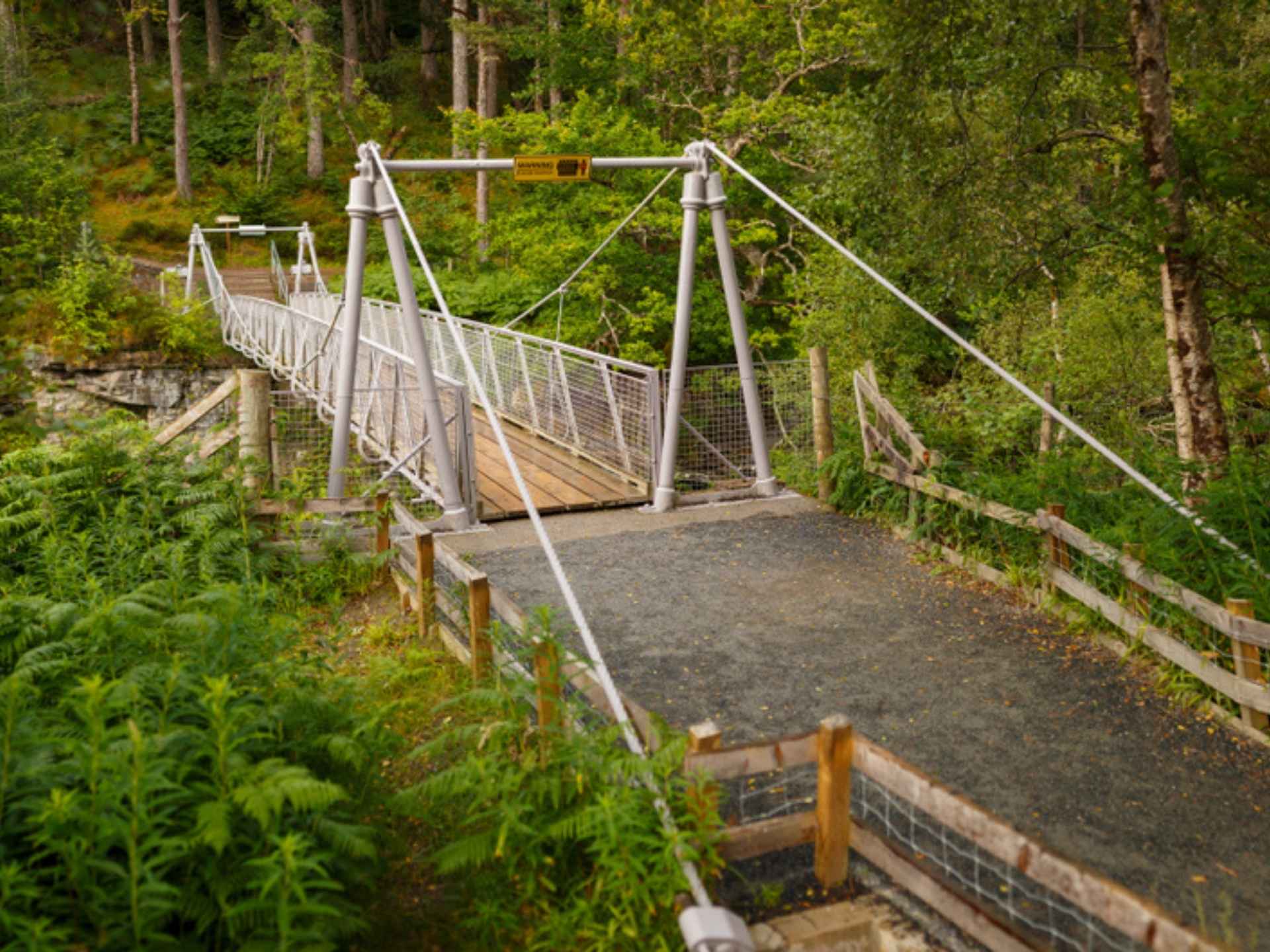
Corrieshalloch Gorge
Corrieshalloch Gorge requires parking and walking.
It is not simply a view from the road. Check current opening, parking and access arrangements before making it the first major stop of the day.
Gairloch
Gairloch can provide food, fuel and a coastal pause.
It works well as a practical midpoint rather than a long visit when the main focus is Torridon.
Beinn Eighe area
The Beinn Eighe landscape can add a walking or viewpoint stop, depending on the conditions and time available.
Choose a short experience that fits the day rather than beginning a substantial walk without enough time.
Torridon
Torridon should be the day’s principal landscape experience.
The combination of mountains, lochs and slower roads gives this part of the journey its character. Allow the road and conditions to determine the pace.
Shieldaig
Shieldaig makes a useful overnight base before the final day.
It positions you to choose between a direct return to Inverness and a longer Applecross route after checking the weather and your energy level in the morning.
Suggested Day 4 plan
A balanced day could include:
- Leave Ullapool
- Walk at Corrieshalloch Gorge
- Food or fuel in Gairloch
- Drive through the Beinn Eighe and Torridon area
- Reach Shieldaig
- Overnight in Shieldaig
When the weather is poor or the day is progressing slowly, skip the gorge or shorten the Gairloch stop.
Why this itinerary does not continue to Applecross
Continuing from Ullapool to Applecross can create an unnecessarily long and inflexible day.
Staying in Shieldaig allows you to decide the following morning whether Applecross and Bealach na Bà suit:
- The weather
- Visibility
- Wind
- Road conditions
- Your vehicle
- The driver’s energy
- The time available before Inverness
This is a better decision point than committing to Applecross accommodation and then discovering that the preferred route out is unsuitable.
Day 5: Shieldaig to Inverness
Preferred finish: Inverness
Direct route: approximately 80-100 miles and two-and-a-half to three-and-a-half hours before stops
Applecross route: approximately 110-130 miles and four to five-and-a-half hours before stops
Day-defining decision: direct return or Applecross and Bealach na Bà
The final day offers two distinct versions.
Make the decision in the morning after checking the conditions rather than committing to the longer option in advance.
Option one: direct return to Inverness
This is the recommended route when:
- The weather is poor
- Visibility is limited
- The driver is tired
- The vehicle is not suited to narrow mountain roads
- You have a long onward journey
- You want a calmer final day
Travel from Shieldaig towards Lochcarron and continue inland towards Inverness.
Potential stops include:
Lochcarron
A useful early pause before the route turns inland.
Rogie Falls
Rogie Falls can provide a final walk, but it requires time beyond the driving estimate. Check current trail and access conditions.
Beauly
Beauly can work as a final food or coffee stop before returning to Inverness.
Do not add every option. The purpose of the direct route is to keep the day manageable.
Option two: Applecross and Bealach na Bà
Choose this route only when the conditions, vehicle and driver are suited to it.
Travel from Shieldaig around the peninsula towards Applecross, then cross Bealach na Bà towards Lochcarron before continuing to Inverness.
This is a much longer and more demanding final day.
Bealach na Bà
Bealach na Bà is a steep, exposed and narrow single-track mountain road with tight bends and passing places.
Do not attempt it simply because it is famous.
Avoid the pass when:
- Visibility is poor
- Winds are strong
- Snow or ice is present
- The road is closed or restricted
- The vehicle is unsuitable
- The driver is uncomfortable
- The day no longer has enough time
Large vehicles and some motorhomes may not be suitable for the pass. Check current official advice before including it.
Use passing places correctly, allow faster local traffic through and never stop where the vehicle obstructs the road.
Why Shieldaig is the preferred night-four base
Starting in Shieldaig means you can abandon the Applecross plan without needing to drive back around the peninsula.
When conditions are unsuitable, take the direct route towards Lochcarron and Inverness.
When the weather is clear and the journey still feels right, Applecross can become the final day’s defining experience.
No NC500 stop is worth forcing.
Suggested direct Day 5 plan
- Leave Shieldaig
- Travel towards Lochcarron
- Short stop at Rogie Falls or Beauly
- Return to Inverness
- Overnight or continue home when sensible
Suggested Applecross Day 5 plan
- Leave Shieldaig early
- Follow the coastal road towards Applecross
- Pause in Applecross
- Cross Bealach na Bà when conditions suit
- Continue through Lochcarron
- Return to Inverness without adding unnecessary stops
What you sacrifice by completing the NC500 in five days
A five-day itinerary involves conscious trade-offs.
You will have:
- Less time for long walks
- Fewer beach stops
- Less flexibility around weather
- More pressure on accommodation choices
- Less room for slow mornings
- More need to prioritise each day
- Fewer opportunities for spontaneous detours
That does not make five days a poor plan.
It simply means the journey should be built around a few important experiences rather than a large collection of attractions.
The places you leave out are not failures. They are reasons to return.
Preferred overnight pattern

The core itinerary uses:
- Night one: Wick
- Night two: Durness
- Night three: Ullapool
- Night four: Shieldaig
- Night five: Inverness, when required
These bases create a clear daily structure and preserve flexibility around Applecross.
Accommodation alternatives can work, but they change the following day.
For example:
- Staying in John o’ Groats shortens the beginning of Day 2
- Staying in Bettyhill rather than Durness adds distance to Day 3
- Staying in Lochinver changes the start of Day 4
- Staying in Applecross reduces your flexibility when Bealach na Bà is unsuitable
- Staying in Lochcarron shortens the final day but removes some of the Torridon-to-Applecross progression
Recalculate the route when changing an overnight base.
During July and August, book accommodation early. Check:
- Parking
- Check-in times
- Food options
- Cancellation terms
- Electric vehicle charging
- Dog policies
- Access roads
- Suitability for larger or low vehicles
Attraction opening days, admission times and weather-dependent access can also change. Confirm each priority stop directly before building it into the day.
Petrol and electric vehicle charging
Do not leave petrol or charging until the final opportunity.
Plan around:
- Vehicle range
- Required fuel grade
- Petrol station opening times
- Charger availability
- Connector compatibility
- Charging speed
- Backup locations
- The distance to the next service area
Charging should form part of the itinerary rather than being added once the route is complete.
A planned station or charger may still be unavailable on the day. Keep a practical alternative wherever possible.
Build and adjust this itinerary with New Roads
This five-day route is a focused starting point, but the right version depends on the driver.
New Roads can rebuild this five-day plan around your own start point, car, preferred daily pace and the stops you actually care about.
Tell the New Roads AI chat:
- Where you are starting
- What you drive
- Your maximum daily driving time
- Which stops matter most
- How much walking you want
- Whether you need petrol or charging stops
- Whether you want to include Applecross
- What kind of accommodation you prefer
For example:
“Plan a five-day anticlockwise NC500 route from Inverness for a low sports car, staying in Wick, Durness, Ullapool and Shieldaig, with no more than two meaningful stops each day and Applecross included only if conditions and vehicle suitability allow.”
You can then refine the itinerary:
- Replace a seasonal attraction
- Shorten Day 3
- Add the Lochinver coast
- Remove Corrieshalloch Gorge
- Add petrol or charging stops
- Keep Day 5 direct
- Include Applecross as an optional route
- Change an overnight base and rebalance the following day
With the current New Roads features, you can adjust stops, consider accommodation ideas, use vehicle information from My Garage, save the itinerary in My Trips and export the route to Google Maps. GPX export is available where supported.
Always review the exported route. Navigation platforms may recalculate sections differently, and live road conditions can change.
Less time planning. More time driving.
Open this itinerary in New Roads, adjust it around your car and start point, then export the route to Google Maps when you are ready to drive.
AI can make mistakes. Always check routes, weather, closures, attraction opening, petrol, charging, parking, accommodation and vehicle suitability before travelling.
Five-day NC500 itinerary FAQs
- Can you do the NC500 in five days?
Yes. Five days provide enough time for a focused NC500 road trip, but the itinerary will be full. Keep the daily stops selective and avoid trying to include every attraction.
- What is a good five-day NC500 itinerary?
A practical anticlockwise route is:
- Inverness to Wick
- Wick to Durness
- Durness to Ullapool
- Ullapool to Shieldaig
- Shieldaig to Inverness, with Applecross optional
This gives the journey a clear progression while preserving flexibility on the final day.
- Is five days enough for the NC500?
Yes, five days is enough for a focused NC500 itinerary, but it will be full.
Choose one main experience each day, keep optional detours genuinely optional and avoid trying to include every beach, walk and viewpoint.
- How many miles per day is the NC500 over five days?
Most days involve approximately 80-140 miles before local detours.
The distance alone does not indicate how demanding the day will feel. Single-track roads, traffic, weather, walks and stops can add considerable time.
- What are the must-see stops on the NC500?
Strong priorities include:
- Dunrobin Castle or another east-coast visit
- The Kyle of Tongue
- Smoo Cave or Balnakeil
- Kylesku Bridge
- One Assynt stop
- Torridon
- Applecross and Bealach na Bà when suitable
Choose one main experience each day rather than treating every option as essential.
- Where should you stay on a five-day NC500?
The preferred overnight bases are Wick, Durness, Ullapool and Shieldaig before returning to Inverness.
Alternative bases can work, but they may significantly change the next day’s mileage and timing.
- Should you include Applecross on a five-day NC500 itinerary?
Applecross can be a memorable addition, but it is not essential to completing a rewarding NC500 journey.
Include it only when the conditions, vehicle and driver are suited to the roads.
- Is Bealach na Bà always open?
No. Weather, incidents and seasonal conditions can affect the pass. Check current official road information before travelling and use an alternative route when conditions are unsuitable.
- What can you skip on a five-day NC500?
Skip optional detours when the day begins to feel rushed.
You may need to choose between beaches, castle visits, walks and coastal loops. Protect the day’s main experience rather than forcing every saved location into the route.
- Clockwise or anticlockwise for five days?
This itinerary travels anticlockwise because it begins with the eastern section and gradually moves towards the slower, more involved roads of the north-west and west.
Either direction can work.