Tour companies can no longer go above 1,600m in South Tyrol. Or can they?
Not quite.
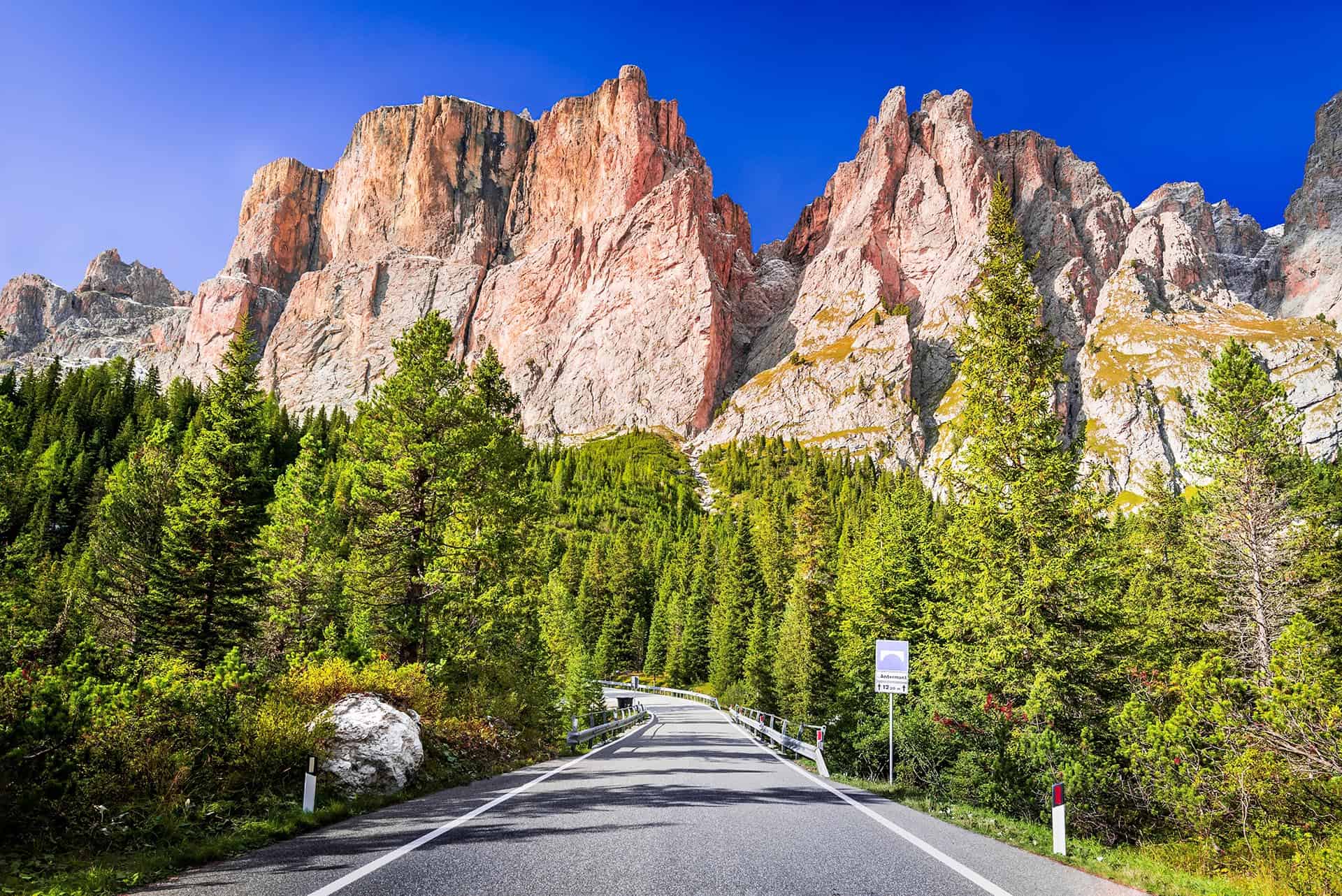
South Tyrol has restricted organised motorsport events on sensitive mountain roads above 1,600 metres, and the headlines have turned that into a ban on driving tours across the Stelvio, Timmelsjoch, Jaufenpass, Gardena, Sella and Karerpass. The roads are still open. Private motorists can still drive them. And whether a commercial driving tour is caught at all depends on how it is structured.
At least, that is what the Province’s own FAQ says. The reality is more complicated than the headline, and what happens next could matter far beyond one corner of the Italian Alps.
So, have organised driving tours actually been banned above 1,600m?
On 19 June 2026, the Autonomous Province of Bolzano/South Tyrol adopted Resolution No. 495/2026, introducing restrictions on a particular category of organised motorsport events on environmentally sensitive roads and in protected mountain areas above 1,600 metres. Around 100 road sections are listed in the annex.
Crucially, this is not a blanket ban on driving these roads.
Private motorists can still use them, and subsequent clarification from the South Tyrol authorities, in an official FAQ that has been expanded several times since June, has made the position for commercial touring holidays considerably less black and white than the original headlines, including Octane’s, suggested.
What exactly has been restricted?
Organised motorsport events.
But that definition is broader than simply races.
The rules cover both competitive and non-competitive motorsport events. South Tyrol says an activity can fall within that definition when there is a clear event structure, meaning an organiser, club, company or association arranging a shared route, meeting point, timetable, registration process, stages or another coordinated programme.
Which sounds very much like a driving tour.
Well, not necessarily.
So are commercial driving-tour companies banned?
No, not automatically.
South Tyrol subsequently expanded its official FAQ, most recently updating it on 27 August 2026.
Among the activities specifically listed as not covered by the ban are:
“Tours organised by tour operators, or journeys forming part of an organised trip, where no authorisation or notification obligation to the authorities exists.”
That is an important distinction.
The issue is not simply whether money changes hands, or whether several sports cars happen to be travelling together. The question is whether the trip becomes the kind of organised motorsport event covered by the resolution.
The FAQ goes further, making clear that people on an organised journey can arrive at and leave a hotel together in sports cars, and that a group drive forming part of a wider organised trip does not automatically become a prohibited motorsport event. Smaller groups driving together without any event character are also outside the rules.
Breaches, for those who do fall inside them, carry fines reported at between €144 and €1,410, rising to as much as five times that in serious cases.
In broad terms, this is where things currently stand:
| Activity | Current position |
|---|---|
| Individual enthusiast driving a mountain pass | Allowed |
| Small group of friends driving together, no event structure | Allowed |
| Commercial touring holiday involving several cars | Potentially allowed |
| Sports-car tour organised by a travel company | Potentially allowed |
| Driving-school or safety course | Exempt according to the FAQ |
| Automotive magazine road test or filming | Exempt according to the FAQ |
| Club-organised driving event | May qualify as an event |
| Classic-car rally | Covered where it qualifies as a motorsport event |
| Regularity rally | Covered |
| Competitive rally or race | Covered |
Position as set out in the Province’s FAQ, last checked 17 September 2026. Rules can change; check before you travel.
Why has South Tyrol introduced the rules?
The Province points to the protection of sensitive mountain environments, noise and emissions, pressure on habitats, road safety and disruption to normal and local traffic. It frames the resolution as part of its Sustainability Strategy 2030 and Climate Plan 2040, and Governor Arno Kompatscher has already said it will not on its own solve the pass roads’ problems with traffic volume and speeding.
And it is not difficult to understand why these conversations are happening.
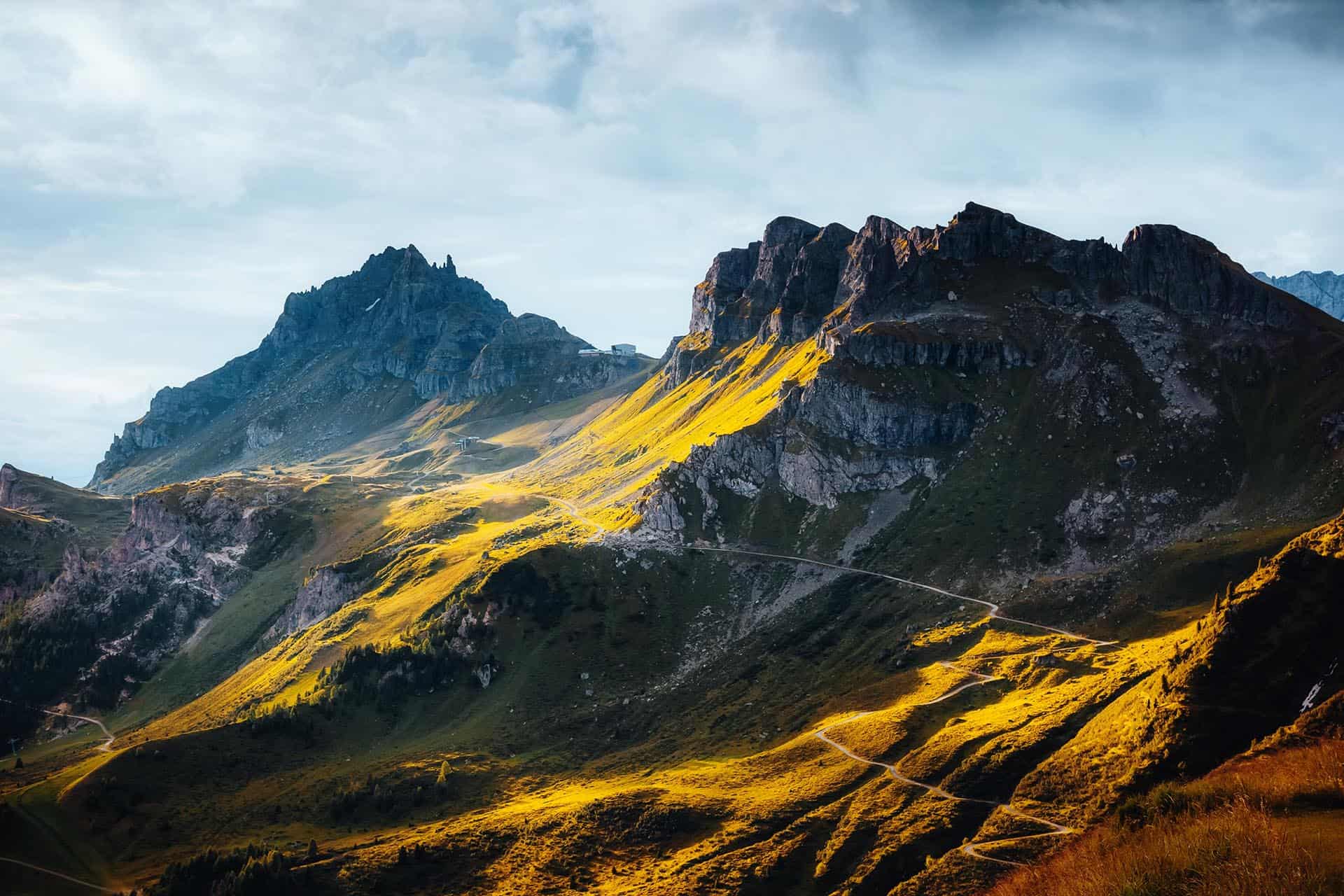
Some of Europe’s greatest driving roads cross landscapes that are both spectacular and fragile. They are also working environments, communities and transport routes, not private playgrounds. Nowhere is that truer than on the Italian side of the Alps.
The challenge is finding the balance between protecting those places and preserving the freedom to experience them.
What does this mean for the driving-tour industry?
For now, uncertainty.
And uncertainty is difficult for an industry that often plans routes, hotels and experiences many months in advance.
The Alps are not simply another destination for driving-tour companies. Roads such as Stelvio, Sella and Gardena are woven into European driving culture. People cross countries to experience them. Entire holidays are built around them, which is why our Dolomites road trip guide is one of the most-read routes on New Roads.
Businesses including Club44, Auto Vivendi, Supercar Driver, Classic Travelling and The Drive Collective help sustain that culture, bringing enthusiasts into these regions and keeping demand for meaningful driving experiences alive.
What happens next will be important.
The rule is already being contested. FIVA, the international historic vehicle federation, is campaigning for an exemption for classic cars, ASI and Veteran Club Bozen are pursuing legal action, and Italy’s motorcycling federation has lodged formal protests.
Could other regions introduce similar restrictions? Possibly. The French Alps and the Swiss passes face the same pressures.
Could the rules become clearer, tighter or more widely enforced over time? Again, possibly.
What is certain is that tour operators and clubs will have to pay closer attention to how trips are structured, what permissions apply and how individual regions choose to balance tourism, driving culture, local communities and environmental protection.
And what does it mean for New Roads?
For us, there is one particularly important line in the clarification.
Small groups of friends driving together, with no event structure, are allowed.
The roads have not disappeared.
So if a tour you had been looking forward to is cancelled, altered or quietly removed from the calendar, that does not necessarily mean the drive itself is gone.
Open New Roads. Take ten minutes to plan a road trip of your own. Shape it around your car, your time and the roads you have always wanted to drive. Share it with a few friends and go. And you don’t need five days in the Alps to do it.
Check the latest local restrictions before travelling. Respect the communities you pass through. Respect the landscape. And remember why these roads became special in the first place.
Because Stelvio is still Stelvio. Sella is still Sella. Gardena still climbs into one of the most extraordinary landscapes you can reach on four wheels. If you need convincing, start with the best Dolomites passes to drive.
Sometimes the best road trip is simply the one you make your own.
Less time planning. More time driving.