NC500 for beginners: what to know before you go
The North Coast 500 has a reputation that tends to arrive before you do.
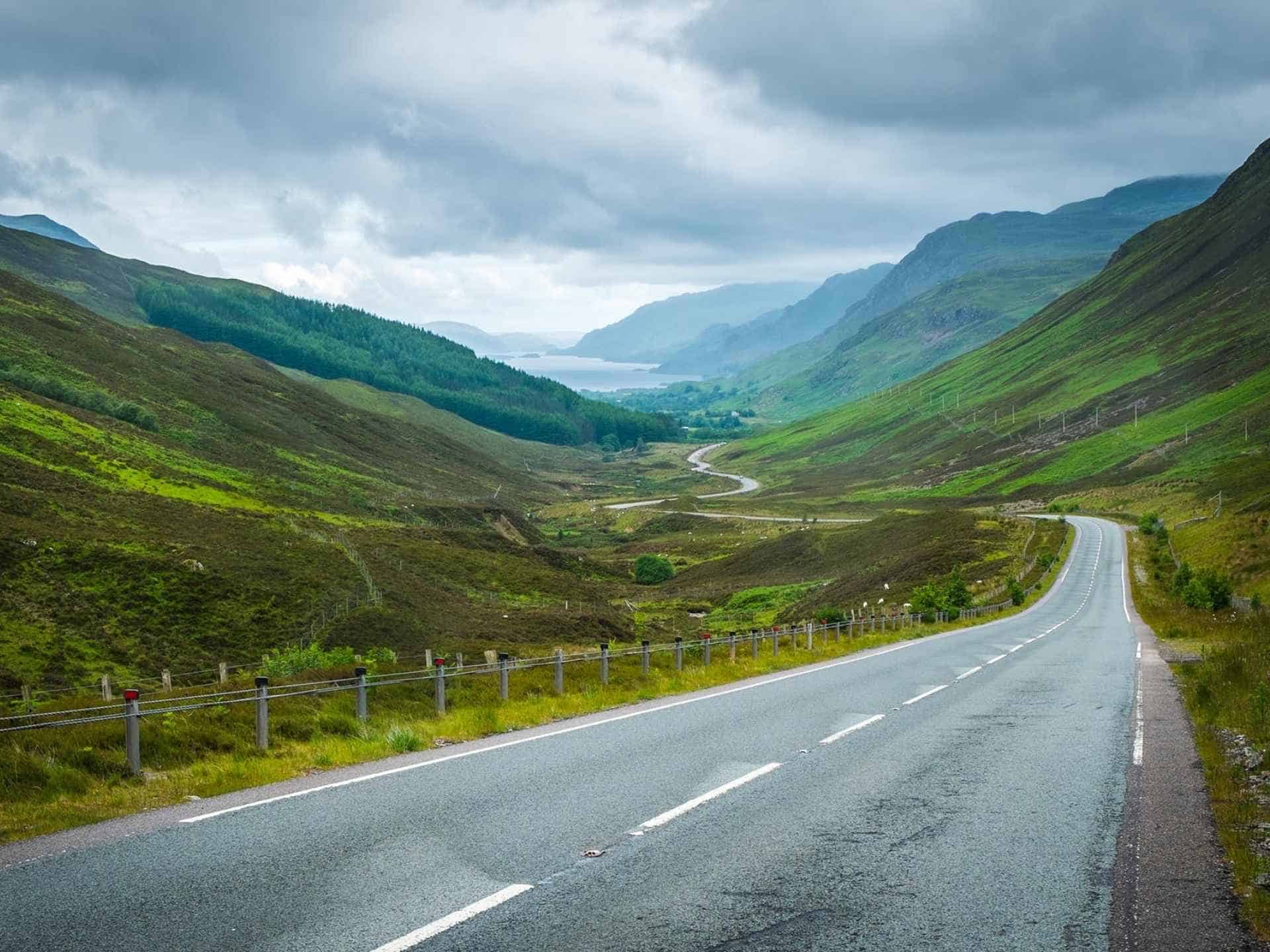
Some describe it as the ultimate Scottish driving adventure: a journey through open Highland landscapes, remote coastline, mountain-backed roads and places that seem to sit at the edge of the map. Others focus on the single-track sections, campervans, rain, midges and changeable road conditions.
The truth lies somewhere between the two.
This guide to the NC500 for beginners gives you the honest version before you commit. The NC500 can be a remarkable first road trip, but it rewards patience more than ambition.
You do not need to treat it as an endurance challenge, cover huge distances every day or drive a specialist vehicle. You simply need to understand the roads, allow enough time and remember that the route passes through communities where people live and work.
Approach it with curiosity, courtesy and a realistic plan, and the NC500 becomes far more than a loop around northern Scotland. It becomes a journey that changes character almost every day.
What is the NC500?
The North Coast 500 is a circular touring route through the North Highlands, beginning and ending in Inverness.
It brings together coastal roads, Highland towns, remote landscapes, beaches, viewpoints and some of Scotland’s most memorable driving country. It is often discussed as though it were one continuous attraction, but it is not a private road or a controlled driving experience.
The route uses real roads shared by:
- Local residents
- Working vehicles
- Motorhomes and campervans
- Cyclists
- Agricultural traffic
- Delivery vans
- Other visitors
This article focuses on beginner questions rather than a full route breakdown. If you already know you are going, use our full NC500 road trip guide for the route, stops and planning detail.
For first-time travellers, the important point is that the NC500 works at a different pace from many conventional road trips.
Some sections are quick and straightforward. Others involve single-track roads, limited parking, slower traffic and long distances between services. Weather can change quickly, while accommodation and food options may be limited in smaller communities.
None of this should put you off. It simply means that a good NC500 itinerary needs to reflect the reality of the Highlands rather than the optimism of a map.
Is the NC500 suitable for beginners?
Yes. The NC500 can be an excellent first road trip when it is planned realistically.
You do not need to be an expert driver or take a particular kind of car. People complete the route in hatchbacks, estate cars, SUVs, sports cars, campervans and electric vehicles.
The challenge usually comes from the way the journey is planned, rather than the route itself.
The NC500 becomes more demanding when travellers:
- Try to complete it too quickly
- Underestimate single-track roads
- Book overnight stops too far apart
- Expect every road to be fast and flowing
- Leave petrol or charging stops to chance
- Continue driving when tired
- Treat passing places as parking spaces
- Forget that local people use the roads every day
- Assume every surface will be wide and smooth
Patience and realistic timings make an enormous difference.
There may be slow sections. You may need to reverse to a passing place. A viewpoint may be busy when you arrive, and the weather may change before lunch. These moments are part of travelling through the Highlands rather than evidence that the trip has gone wrong.
A calmer NC500 is almost always a better NC500.
Is the NC500 difficult or stressful to drive?
That depends largely on the roads you are used to.
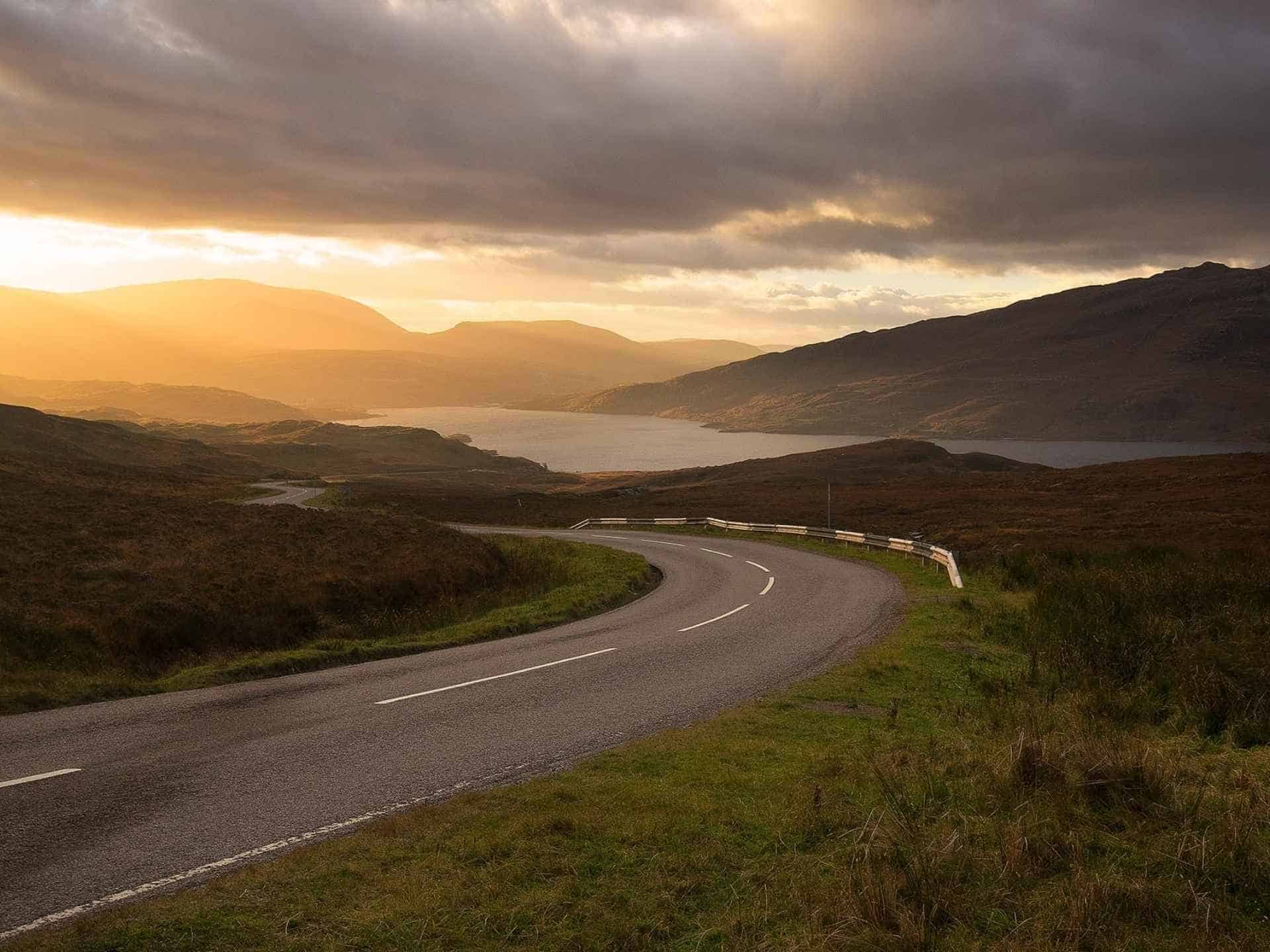
If your first question is “is the NC500 hard to drive?”, the honest answer is that it can be straightforward in places and more demanding in others.
Drivers who regularly use rural lanes and single-track roads may find the route manageable. Those accustomed mainly to motorways and urban driving may need time to settle into the slower pace.
The sections that demand more concentration can include:
- Narrow roads
- Single-track stretches
- Blind bends and crests
- Tight passing places
- Slow or large vehicles
- Rougher surfaces in some areas
- Loose gravel around access roads and car parks
- Busy viewpoints
- Rapid changes in weather
- Longer distances between services
The route is not consistently difficult or extreme. It becomes tiring when the driver is rushed, distracted or committed to an unrealistic schedule.
Plan fewer miles each day than you might on a motorway journey. Leave time for traffic, photographs, meals and changes in weather. Allow faster vehicles to pass when it is safe, and stop only where parking is permitted and sensible.
The aim is not to complete every mile as efficiently as possible. It is to arrive at the end of each day with enough energy to enjoy where you have reached.
Drive like a guest
The NC500 is more than a scenic route. It passes through living Highland communities.
People commute, work, make deliveries, tend livestock and travel between homes along the same roads visitors have come to experience.
That means responsible driving is not an optional extra. It is part of doing the route properly.
Remember to:
- Let faster local traffic pass when safe
- Keep passing places clear
- Park only in suitable locations
- Avoid blocking gates or access roads
- Reduce speed around villages, livestock and pedestrians
- Take litter away with you
- Respect signs, restrictions and private land
- Support local accommodation, food and businesses where possible
Drive like a guest, not like the route owes you a perfect day out.
How many days do you need for the NC500?
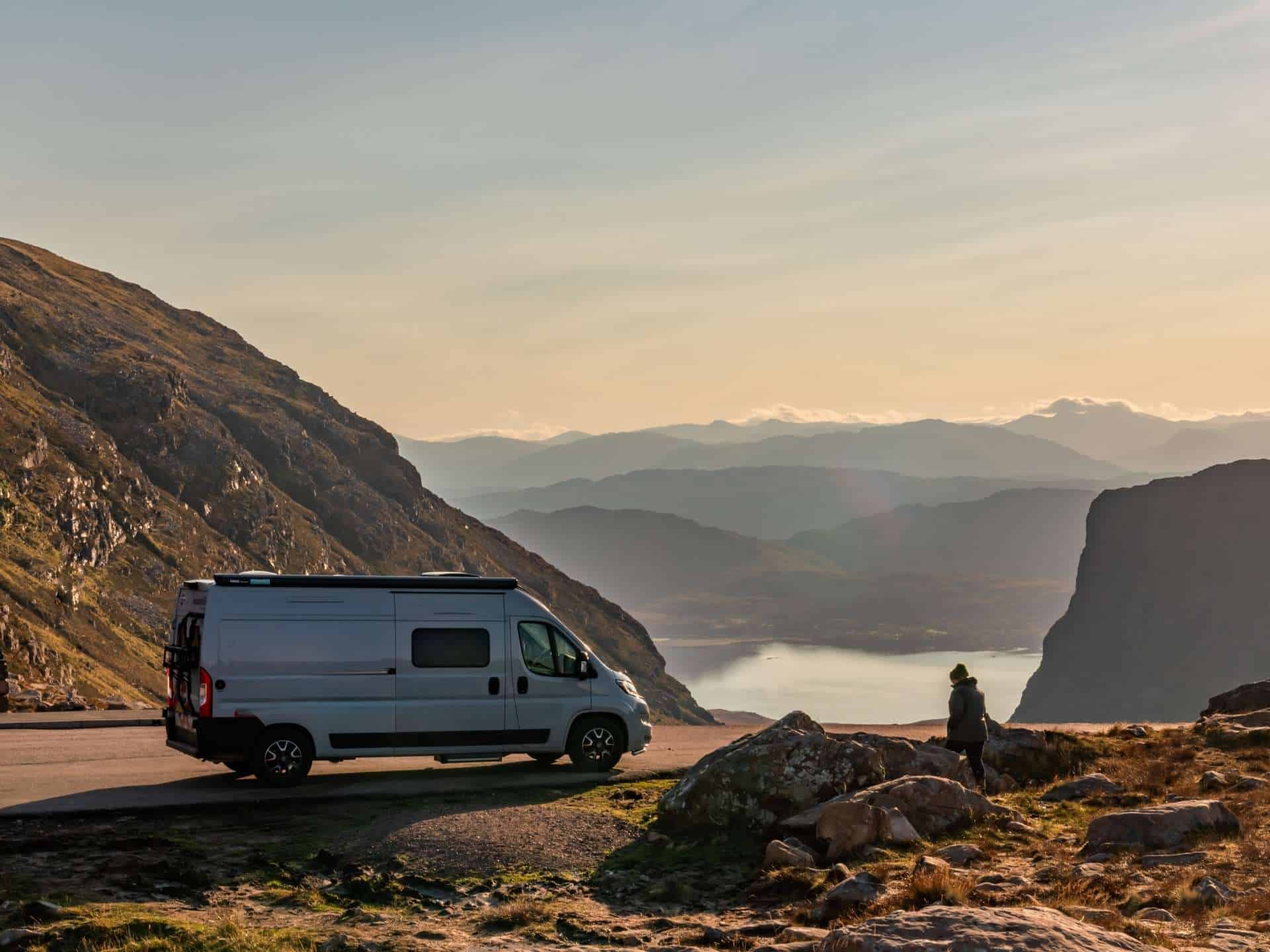
The route can technically be driven in a few days, but that does not make it a good first-time plan.
For most beginners, five days should be treated as a practical minimum. It allows you to complete the loop, but the itinerary will still need to be selective.
Seven days is a much better starting point.
With a week, you can:
- Keep daily driving manageable
- Stop without feeling that you are falling behind
- Absorb delays on single-track roads
- Explore beaches, villages and viewpoints
- Adapt to changing weather
- Avoid reaching every overnight stop tired
Eight to ten days creates an even more relaxed Highland journey, particularly when you want to include walks, longer meals or time away from the main route.
The NC500 does not become demanding simply because it covers a long distance. It becomes demanding when too much of that distance is compressed into too little time.
For a first attempt, avoid planning the route by trying to tick off every famous stop. Five days is a practical minimum, but seven days gives you a calmer pace, more room for weather and less pressure on single-track sections. If you want full day-by-day structure, use our NC500 five-day itinerary or NC500 seven-day route planner.
Clockwise or anticlockwise?
The NC500 can be driven in either direction.
For many first-time visitors, anticlockwise offers a natural sense of progression. Leaving Inverness towards the east allows you to begin on generally less involved roads before reaching the more remote north-west and western sections later in the journey.
It gives you time to become comfortable with the pace of the route and the use of passing places before the roads feel narrower and the landscape becomes more dramatic.
A broad anticlockwise progression might move from Inverness and the east coast towards Caithness, the north coast, Durness, Assynt, Ullapool, Wester Ross, Torridon, Applecross and back towards Inverness.
Clockwise can work just as well when it better suits your accommodation, weather forecast or preferred itinerary. It places the western scenery earlier in the trip and may make more sense depending on where you are staying before or after the route.
Treat anticlockwise as a useful first-time preference, not a rule.
Single-track roads and passing-place etiquette
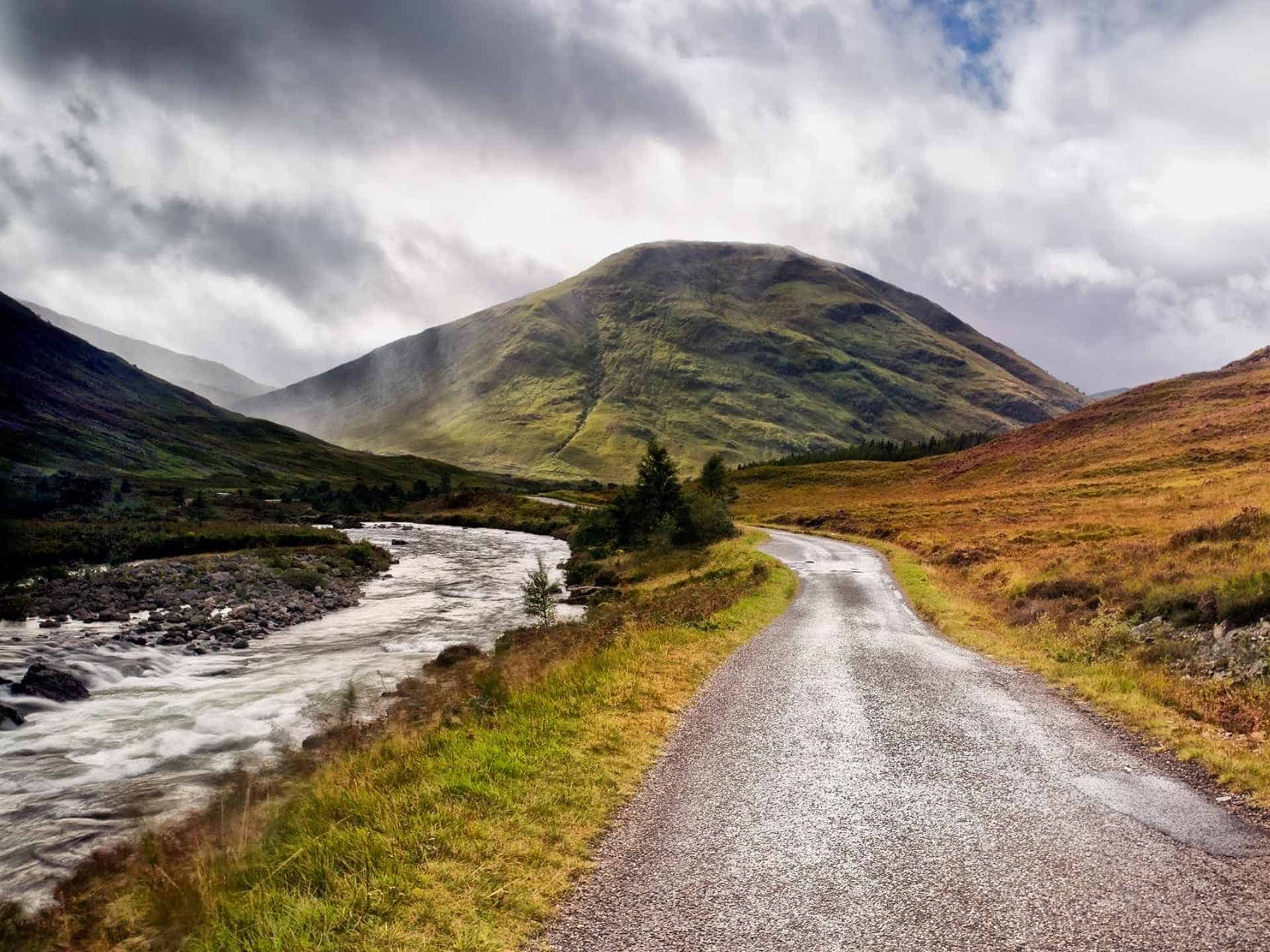
Single-track roads are one of the main concerns for first-time NC500 drivers.
They are manageable when approached patiently.
A single-track road uses one shared lane for vehicles travelling in both directions, with passing places positioned along the route. They exist to keep traffic moving, not to provide parking or photo stops.
The basic etiquette is:
- Passing places are for passing, not parking
- If the passing place is on your left, pull in
- If the passing place is on your right, wait opposite it so the oncoming vehicle can use it
- Let faster local traffic pass when safe
- Be ready to reverse if needed
- Do not stop in passing places for photos
- Thank other drivers and keep the flow moving
- Give larger and working vehicles enough room
- Give way early instead of forcing vehicles into a tight squeeze
Look well ahead and leave enough space between your car and the vehicle in front. This gives you more time to respond when traffic approaches from the other direction.
When two vehicles meet, slow down early and deal with the situation calmly. Most of the stress associated with single-track roads comes from drivers rushing or leaving decisions until the last moment.
Do you need a four-wheel-drive vehicle?
No. You do not need a four-wheel-drive vehicle for the NC500 in normal conditions.
Most of the route can be completed in an ordinary road car. Greater ground clearance may offer reassurance on rougher access roads or in difficult weather, but it is not a general requirement.
What matters is whether your specific vehicle suits your itinerary.
Consider:
- Vehicle width
- Ground clearance
- Tyre condition
- Ride comfort
- Luggage
- Petrol range
- Electric vehicle range
- Charging requirements
- Parking at accommodation
- How comfortable you are positioning the vehicle on narrow roads
A low sports car can be rewarding on suitable sections, but surface quality, gravel, steep entrances and parking require more attention.
A campervan provides flexibility but needs additional space on single-track roads. An electric vehicle can work well when charging is treated as part of the day rather than an emergency to solve later.
The route should be shaped around the vehicle you are actually taking.
Where relevant information is available, New Roads can help you review potential vehicle-suitability considerations. It cannot guarantee that every road, access point or temporary condition will suit the car, so the final assessment remains with the driver.
When is the best time to drive the NC500?
Late spring and early autumn can offer a good balance for first-time visitors.
Daylight is relatively generous, while roads and accommodation may be less pressured than during the busiest summer weeks. Highland weather remains changeable in every season, so flexibility still matters.
Summer
Summer offers long days and a greater likelihood that seasonal businesses and attractions will be open.
It can also bring:
- More traffic
- Busy viewpoints
- Higher accommodation demand
- More motorhomes and campervans
- Greater pressure on parking and services
Summer is also associated with midges. They tend to be more noticeable in still, damp and sheltered conditions, particularly near water.
Carry repellent, keep vehicle and accommodation doors closed where practical and avoid assuming every evening stop will be comfortable for a long outdoor meal.
Winter
Winter can be beautiful, but it is not usually the easiest time for a first attempt.
Short daylight hours, ice, poor visibility, limited services and possible closures can make the journey considerably more demanding. Drivers planning a winter trip need a more flexible itinerary and greater confidence in difficult conditions.
Whatever time of year you choose, check:
- Weather
- Daylight hours
- Road closures
- Accommodation availability
- Food and attraction opening times
- Petrol and charging options
- Ferry times where relevant
An itinerary is not a live conditions report. Check important information before departure and continue monitoring it throughout the journey.
Book accommodation early during busy periods
Accommodation can be limited around parts of the route, particularly in smaller communities.
During summer, school holidays and popular events, suitable rooms, campsites and parking can fill quickly. Booking ahead prevents the overnight plan from creating an unexpectedly long final drive.
Before confirming accommodation, check:
- Parking
- Check-in times
- Cancellation terms
- Nearby food options
- Electric vehicle charging
- Late-arrival arrangements
- Distance from the following day’s route
- Whether the access road suits your vehicle
A hotel may appear close on a map but still involve a slow, narrow or demanding approach.
Build your overnight stops around the day’s drive, not simply around the rooms that happen to be available.
Petrol and electric vehicle charging
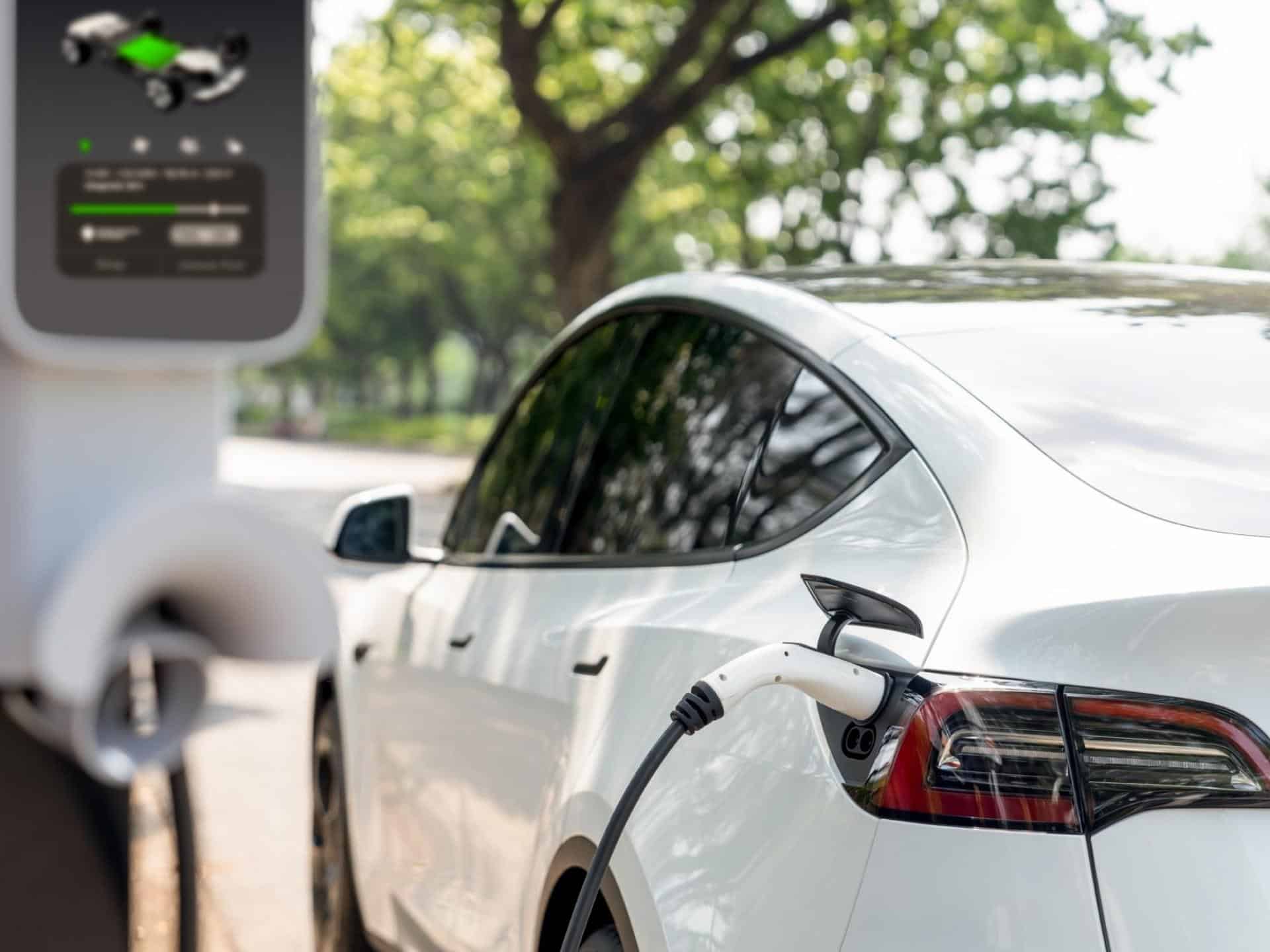
Services can be further apart than many first-time visitors expect.
Do not allow the fuel gauge or remaining range to dictate the final part of your day. Plan practical stops before entering more remote areas and check opening times, particularly outside peak season.
For petrol vehicles, consider:
- The range of the car
- Fuel grades required
- Sunday and evening opening times
- Whether the next planned station has a suitable backup
For electric vehicles, consider:
- Charger location and availability
- Connector compatibility
- Charging speed
- Whether the stop suits the wider itinerary
- Alternative chargers if the first option is unavailable
Charging should form part of the journey rather than being added after the route has been built.
Common NC500 first-timer mistakes
These NC500 tips for beginners are mostly about slowing down, booking sensibly and treating single-track roads with respect.
Most difficult experiences come from small planning assumptions rather than one major problem.
Common mistakes include:
- Trying to complete the route too quickly
- Planning by mileage rather than time
- Adding too many stops
- Ignoring single-track etiquette
- Parking in passing places
- Booking accommodation too late
- Leaving petrol or charging plans vague
- Assuming every road will suit every vehicle
- Underestimating how tiring slow roads can be
- Ignoring the weather
- Expecting every road to be smooth and wide
- Relying on old advice without checking current information
- Treating the route as a private driving road
The answer is giving enough structure for the journey to remain enjoyable when traffic, weather or energy levels change.
What should NC500 beginners plan first?
Begin with the shape of the journey rather than a list of attractions.
A sensible order is to:
- Decide how many days you have
- Choose a preferred direction
- Select realistic overnight areas
- Add the places that matter most
- Plan food, petrol, charging and rest stops
- Review single-track sections
- Check whether the roads suit your vehicle
- Leave space for weather and slower traffic
- Create an easier backup where possible
- Review the itinerary again before departure
For a first NC500, less is usually better.
Choose the experiences that matter most and allow enough time to enjoy them. The places you miss are a reason to return, not evidence that the journey was incomplete.
Plan your NC500 route with New Roads
Once you understand the character of the NC500, New Roads can help turn a broad idea into an itinerary built around your car, time and preferred driving style.
Tell the AI chat:
- What you drive
- How many days you have
- Where you are starting
- Your preferred direction
- The kind of roads you enjoy
- How much time you want outside the car
- Whether you need petrol or charging stops
- What kind of accommodation you prefer
For example:
“Plan a seven-day anticlockwise NC500 road trip from Inverness for a low sports car, with realistic daily driving, well-positioned overnight stops, fewer very narrow sections where possible and enough time to enjoy the scenery without rushing.”
You can then refine the itinerary:
- Make the first day easier
- Reduce the daily driving time
- Add petrol or charging stops
- Adjust the overnight areas
- Avoid late arrivals
- Add more time on the west coast
- Review potentially tighter or less suitable sections where information is available
With the current New Roads features, you can save the journey in My Trips, use vehicle information from My Garage, review suitability considerations and export the route through supported map or GPX options where available.
Always review exported routes before departure. Navigation platforms may recalculate sections differently from the original itinerary.
For more detailed daily routes, stops and itinerary ideas, explore the full New Roads NC500 guide where available.
Less time planning. More time driving.
You can start on the free tier and build an NC500 route in New Roads around your car, time and preferred pace. Use the suitability information as a planning aid, then review the route, road conditions, bookings, petrol, charging and vehicle suitability before you travel.
For NC500 beginners, that gives you a stronger starting point without handing over control of the journey.
Start planning your NC500 journey with New Roads.
AI can make mistakes. Always check routes, weather, closures, accommodation, petrol, charging, parking and vehicle suitability before setting off.
NC500 first-timer FAQs
- Is the NC500 suitable for beginners?
Yes. The NC500 can suit first-time road trippers when the journey is planned realistically.
Allow enough days, learn how to use passing places, book accommodation early during busy periods and avoid driving too far each day.
- Is the NC500 hard or stressful to drive?
Most of the route is manageable, but some parts require more concentration.
Single-track roads, changing weather, slow traffic, rougher surfaces and long driving days can become tiring when the itinerary is rushed.
- How long do you need for the NC500?
Five days is a practical minimum for most first-time visitors, but seven days is a better starting point.
A week gives you more time for stops, slower roads, weather changes and a calmer pace. Eight to ten days is better still if you want walks, longer meals or more time away from the car.
- Which direction should you drive the NC500?
Either direction can work.
Many first-time visitors prefer anticlockwise because it allows the route to build from the east towards the more remote and dramatic western sections. Clockwise may suit your accommodation, forecast or wider travel plans better.
- When is the best time to drive the NC500?
Late spring and early autumn can provide a useful balance of daylight, traffic and accommodation availability.
Summer offers longer days but usually brings more visitors and greater booking pressure. Winter requires more preparation and flexibility.
- Do you need a four-wheel-drive vehicle for the NC500?
No. The NC500 can be completed in a conventional road car.
You should still check that your vehicle suits the roads, weather, parking, access points and optional detours included in your itinerary.
- What are the single-track road rules on the NC500?
Use passing places to allow vehicles through, never park in them and let faster traffic pass when it is safe.
Pull into a passing place on your left where possible. When it is on your right, wait opposite it so the approaching vehicle can use it. Be ready to reverse when needed and keep passing places clear for moving traffic.
- What mistakes do NC500 first-timers make?
The most common mistakes are rushing, planning too many miles, ignoring passing-place etiquette, booking accommodation too late, leaving petrol or charging unplanned and assuming every scenic road will suit every vehicle.