Romantic Road Germany: the ultimate route planner
Germany’s Romantic Road is a route made for taking your time.
Known locally as the Romantische Straße, it runs from Würzburg in northern Bavaria to Füssen near the Austrian border. Along the way, it links vineyards, walled medieval towns, country roads and an Alpine finish at Neuschwanstein Castle.
For drivers, the appeal is the way the route changes as you head south. Würzburg feels relaxed and urban, Rothenburg and Dinkelsbühl bring the old-town drama, while the landscape opens out around Nördlingen, Augsburg and Landsberg am Lech. By the time you reach Füssen, the Alps are part of the view.
The official route covers 29 towns across around 460 km. Four to five days is the best fit if you want time to stop, explore and enjoy the smaller roads between the headline towns.
For drivers coming from the UK, it also works well as part of a longer European drive. Cross into France, travel through Belgium, Luxembourg or eastern France, then make Germany the main event before continuing towards Austria, the Alps or northern Italy.
If you are still deciding where to head after crossing the Channel, see our best European road trips.
What the Romantic Road is and where it runs
The Romantic Road is one of Germany’s best-known touring routes. It runs south from Würzburg to Füssen, connecting locations including Rothenburg ob der Tauber, Dinkelsbühl, Nördlingen, Augsburg, Landsberg am Lech, Schwangau and Füssen.
It is not designed as the fastest way between two points. The official route is signposted in both directions with brown Romantische Straße signs, which take you through smaller towns and countryside rather than keeping you on the busiest main roads.
Start in Würzburg if you can. It gives the trip a natural north-to-south shape and lets Neuschwanstein become the finale. You can drive the route in reverse, especially if you are arriving from Austria or northern Italy, but southbound has the stronger sense of build-up.
The route from Würzburg to Füssen, leg by leg
Würzburg to Rothenburg ob der Tauber
Würzburg is a useful place to begin, with good motorway connections and plenty of options for an overnight stop before you settle into the route.
The first leg heads through Franconian wine country and towards the Tauber Valley. These roads are not about speed. They are about getting into the pace of the trip, with villages, rolling countryside and smaller routes that feel a world away from the main motorway network.
Rothenburg ob der Tauber is one of the biggest names on the Romantic Road. Its walls, towers and cobbled streets make it worth more than a quick stop. If possible, stay nearby and explore early in the morning or later in the evening, when the centre feels less busy.
Rothenburg to Dinkelsbühl
South of Rothenburg, the route settles into quieter countryside and smaller settlements.
Dinkelsbühl is another standout stop, with a walled old town and more relaxed feel. It works well as an overnight base, particularly if you want good food, a wander after dinner and a less hurried second day.
You don’t need to stop in all 29 of the official towns on the Romantic Road. Pick the places that appeal, then leave room for the villages, cafés and viewpoints you find along the way.
Dinkelsbühl to Nördlingen and Augsburg
Nördlingen is one of the route’s more unusual stops. It sits within the Ries impact crater, and the circular old town wall gives it a very different character from Rothenburg or Dinkelsbühl.
From here, the landscape feels broader and more open. There is more space around the road and a growing sense that you are working your way south towards the foothills of the Alps.
Augsburg is a practical stop if you want a larger city with more accommodation, food and parking options. It can be a sensible place to stay on a shorter itinerary, while Dinkelsbühl or Nördlingen can suit a slower trip built around the smaller towns.
Augsburg to Landsberg am Lech and the southern countryside
South of Augsburg, the route turns greener and more rural again.
Landsberg am Lech is a good place to pause, with a colourful old town, river setting and plenty of places for dinner or an overnight stay. Beyond it, the drive becomes more about enjoying the changes in scenery.
Roads move through farmland, woods and small towns, while the first mountain views begin to appear in the distance. This is where it pays to keep daily mileage realistic. A shorter day gives you freedom to stop when something looks worth exploring.
Steingaden to Schwangau and Füssen
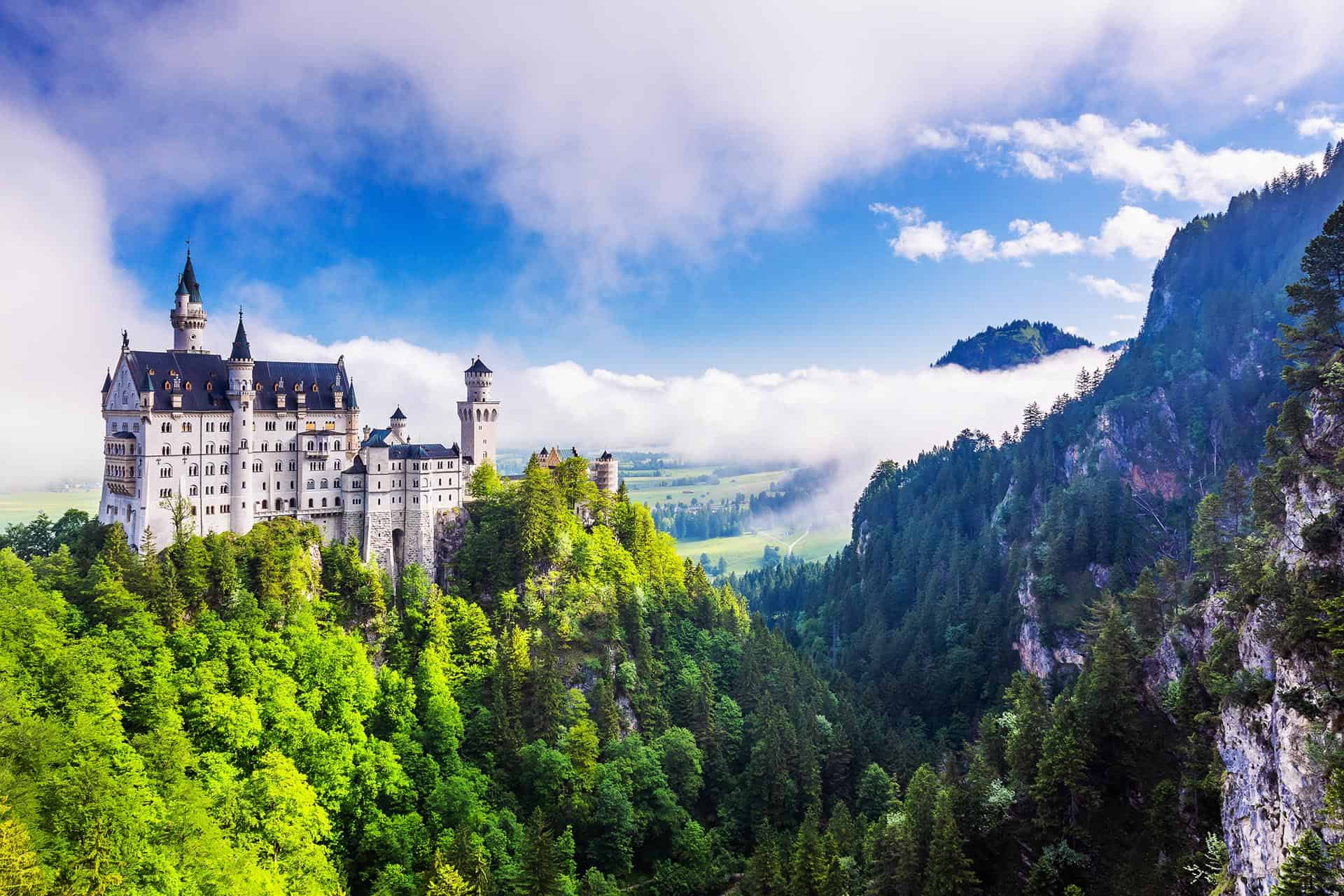
The final leg brings you towards Schwangau and Füssen, with the Alps becoming a bigger part of the view.
Füssen is the official southern end of the Romantic Road, while nearby Schwangau is home to Neuschwanstein and Hohenschwangau castles.
Give yourself time for this final section. Sort parking, settle into your accommodation and enjoy the approach rather than treating it as a last dash to the castle.
Must-see stops: Rothenburg, Dinkelsbühl, Nördlingen and Neuschwanstein
You could spend weeks exploring the whole route, but these are the stops to prioritise in your Romantic Road itinerary.
Rothenburg ob der Tauber
Rothenburg is the classic Romantic Road stop. Walk the walls, explore the old streets and allow enough time to see it outside the busiest part of the day.
Dinkelsbühl
Dinkelsbühl is another medieval highlight, with plenty of atmosphere and a good choice of places to eat or stay. It is ideal if you want an evening stop that feels central to the route rather than simply practical.
Nördlingen
Nördlingen stands out because of its setting inside the Ries crater and its circular town wall. It is an easy place to add to the route for a few hours.
Neuschwanstein Castle
Neuschwanstein is the big finish, so plan it in advance.
Tickets are timed and the castle can only be visited as part of a guided tour. Demand is high, particularly in peak periods, so book ahead rather than hoping to arrange it on arrival.
You cannot drive directly to the castle. Parking is in Hohenschwangau, then you can walk uphill, use the shuttle bus or check other local transport options. Arrive with time to spare, especially if your visit falls during a busy summer weekend or school holiday.
How many days and which direction?
Four days is a good balance for most drivers.
It gives you enough time to stop in Würzburg, Rothenburg, Dinkelsbühl or Nördlingen, spend a night around Augsburg or Landsberg am Lech and finish in Füssen with time for Neuschwanstein.
A simple four-day outline could look like this:
Day 1: Würzburg to Rothenburg ob der Tauber
Day 2: Rothenburg to Dinkelsbühl and Nördlingen
Day 3: Nördlingen to Augsburg or Landsberg am Lech
Day 4: Landsberg am Lech to Füssen and Neuschwanstein
Three days can work if you are happy to be selective about stops. Five days is better if you want more time in the smaller towns or a few extra nights near the Alps.
Driving south from Würzburg to Füssen is the usual choice because it offers a natural finale at Neuschwanstein. The route is signed in both directions, though, so a northbound trip works well if you are arriving from Austria, the Alps or northern Italy.
When to go and what to expect
Late spring and early autumn are good times for the Romantic Road, with mild weather and slightly quieter towns than the height of summer.
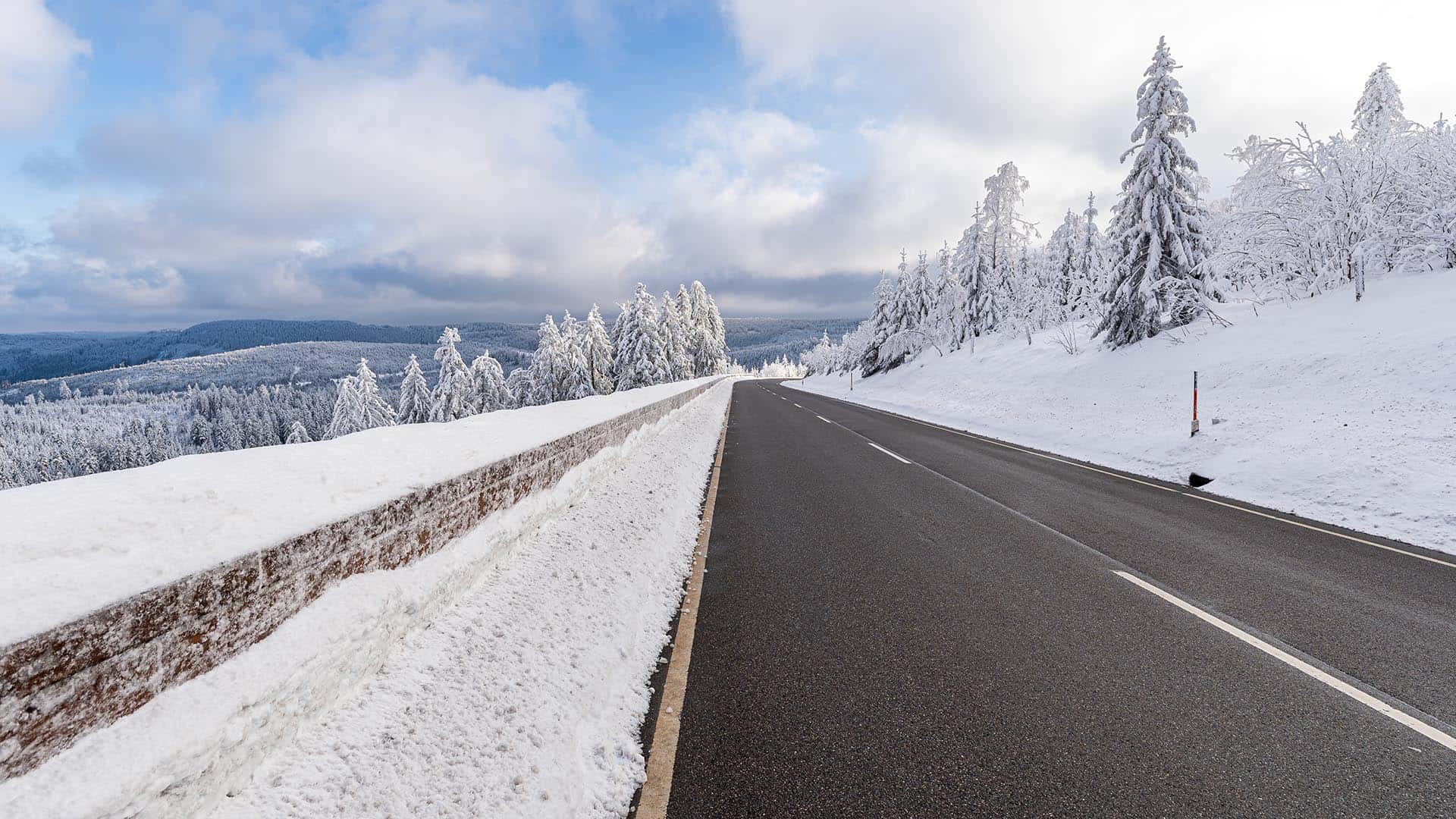
Summer brings longer days and plenty of life in the towns, but it also means booking accommodation and Neuschwanstein tickets earlier. Winter can make the southern end of the route look brilliant, although snow, ice and local weather may affect driving conditions and access around the castles.
The roads themselves are generally more about scenery and towns than technical driving. A low car should be comfortable on the main route, but it is still worth checking town-centre parking and any smaller roads you plan to add.
If you are travelling from the UK, check the latest German driving rules before you go. Some city centres have environmental zones, known as Umweltzonen, with restrictions based on vehicle emissions.
Combining it with the Alps or the Black Forest
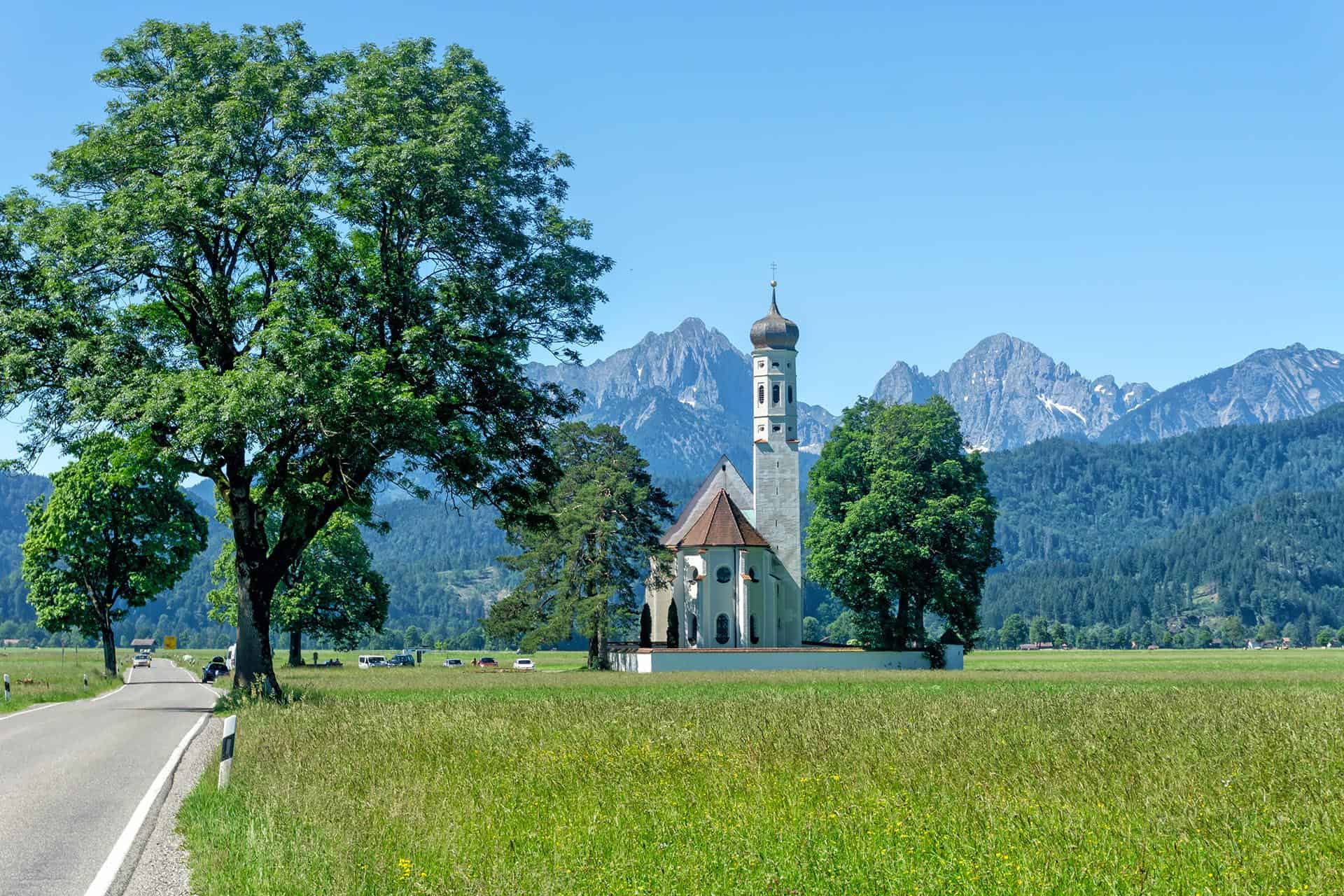
The Romantic Road is strong enough to be the main event, but it also links naturally with bigger European trips.
From Füssen, you are close to Austria and the Alps. You could continue into the mountains, head towards the Dolomites or make the Romantic Road the calmer opening section of a longer route south. Give each part of the trip its own time. The towns and smaller roads are a big part of why this route works.
For a shorter European escape, explore our short one-day road trip ideas for more ways to make the most of limited time.
The Black Forest is another good German extension, although it offers a different type of drive. Expect more forest roads, hills and sweeping scenery than medieval town squares.
Plan your Romantic Road trip with New Roads
The official route is a brilliant starting point. Your version can be shaped around the time you have, the car you are taking and the stops you want to make.
Tell New Roads where you are starting, how many days you have and whether Rothenburg, Neuschwanstein or the Alpine roads beyond Füssen are of interest. It helps you build a bespoke itinerary with driving routes, places to stop, accommodation suggestions and petrol or electric vehicle information where supported.
You can tweak the route in the AI chat, save it in My Trips and export it to Google Maps or GPX where available. Before you set off, always review the vehicle suitability report as an advisory check and double check local access, parking, weather and travel requirements.
Explore the features of New Roads, then build a Romantic Road Germany route around the places you genuinely want to see.
AI can make mistakes. Always check routes, parking, access, weather, tides, local restrictions, accommodation and vehicle suitability before travelling.
Romantic Road Germany FAQs
- What is the Romantic Road in Germany?
The Romantic Road is a signed tourist route running from Würzburg to Füssen in southern Germany. It covers around 460 km and connects 29 towns, including Rothenburg ob der Tauber, Dinkelsbühl, Nördlingen and Augsburg.
- How long is the Romantic Road?
The official route is around 460 km from Würzburg to Füssen. Your total distance will vary depending on detours, overnight stops and how closely you follow the signed road.
- How many days do you need for the Romantic Road?
Four to five days gives you enough time to enjoy the main towns and Neuschwanstein without rushing. Three days can work for a more focused route.
- What are the best stops on the Romantic Road?
Rothenburg ob der Tauber, Dinkelsbühl, Nördlingen, Augsburg, Landsberg am Lech and Neuschwanstein are among the key stops. Choose a few that suit your interests rather than trying to cover every town.
- Which direction should you drive the Romantic Road?
Most drivers head south from Würzburg to Füssen, finishing near Neuschwanstein and the Alps. The route is signposted in both directions, so northbound can also work if it suits your wider plans.
- Where does the Romantic Road start and end?
The Romantic Road runs from Würzburg in northern Bavaria to Füssen near the Austrian border. Most drivers travel south, finishing near Neuschwanstein Castle and the foothills of the Alps.