Scottish Highlands road trip guide: routes, regions and driving tips
A Scottish Highlands road trip does not have to mean completing the NC500.
The famous northern loop can be a remarkable journey, but the Highlands are far larger and far more varied than one route. You can shape a trip around the mountains of Glencoe, the Great Glen and Loch Ness, the forests and high roads of the Cairngorms, the Road to the Isles or the more remote landscapes of Wester Ross.
That freedom is what makes the region so rewarding by car. The best journey is not necessarily the one that covers the most ground. It is the one that suits your available time, your vehicle, your confidence and the kind of driving you want to experience.
This guide introduces the main Highland regions, explains how their character differs and helps you choose a broad route. It is not a turn-by-turn itinerary. Instead, it gives you the structure needed to build a journey that feels considered rather than collected from a list of map pins.
If you are still comparing the Highlands with the NC500, west coast, islands or southern Scotland, start with our Scotland road trip guide.
Understanding the Scottish Highlands
The Highlands cover a vast and varied part of northern Scotland, encompassing mountains, glens, lochs, forests, coastal landscapes and inland communities.
For road-trip planning, it is useful to divide the region into five broad areas:
- The western Highlands around Glencoe and Fort William
- The Great Glen and Loch Ness between Fort William and Inverness
- The Cairngorms and Speyside in the east
- The Road to the Isles and the western coastline
- The north-west around Torridon, Ullapool and Assynt
These are practical planning regions rather than strict geographical boundaries. Their purpose is to help you understand how different parts of the Highlands might fit into the same journey.
The NC500 occupies part of this wider landscape, principally around the far north and north-west. It is one way to experience the Highlands, but it is not the only structure available.
If you want the full northern coastal loop, use our NC500 road trip guide as the route hub.
A broader Highland road trip can begin in Glasgow, Edinburgh, Aberdeen, Inverness or Fort William. It can take the form of a compact long weekend, a week linking east and west or a slower journey combining inland roads with selected stretches of coast.
You do not have to complete a famous loop simply because the map says you can.
How a Highlands road trip differs from the NC500
The NC500 is a recognised touring route that begins and ends around Inverness and follows the coast through the north of Scotland.
A Highlands road trip is more flexible.
You might begin with the A82 through Glencoe, continue towards Fort William and Loch Ness, then cross into the Cairngorms. Another journey might combine the Road to the Isles with Skye or a section of Wester Ross. A shorter trip could use one well-positioned base and explore a different loop each day.
The NC500 is a coastal loop within the wider Highland region. A Scottish Highlands road trip can include part of the NC500, but it does not need to follow the full loop to feel complete.
That flexibility matters when:
- You have fewer than five days
- You prefer inland roads to long coastal sections
- You want to adapt the journey around the weather
- You are travelling from somewhere other than Inverness
- Your vehicle is less suited to narrow or remote roads
- You want more time outside the car
- You would rather explore one region properly than complete a named route
A Highland road trip allows you to choose the parts that fit rather than treating the journey as a checklist.
Which part of the Highlands is right for you?
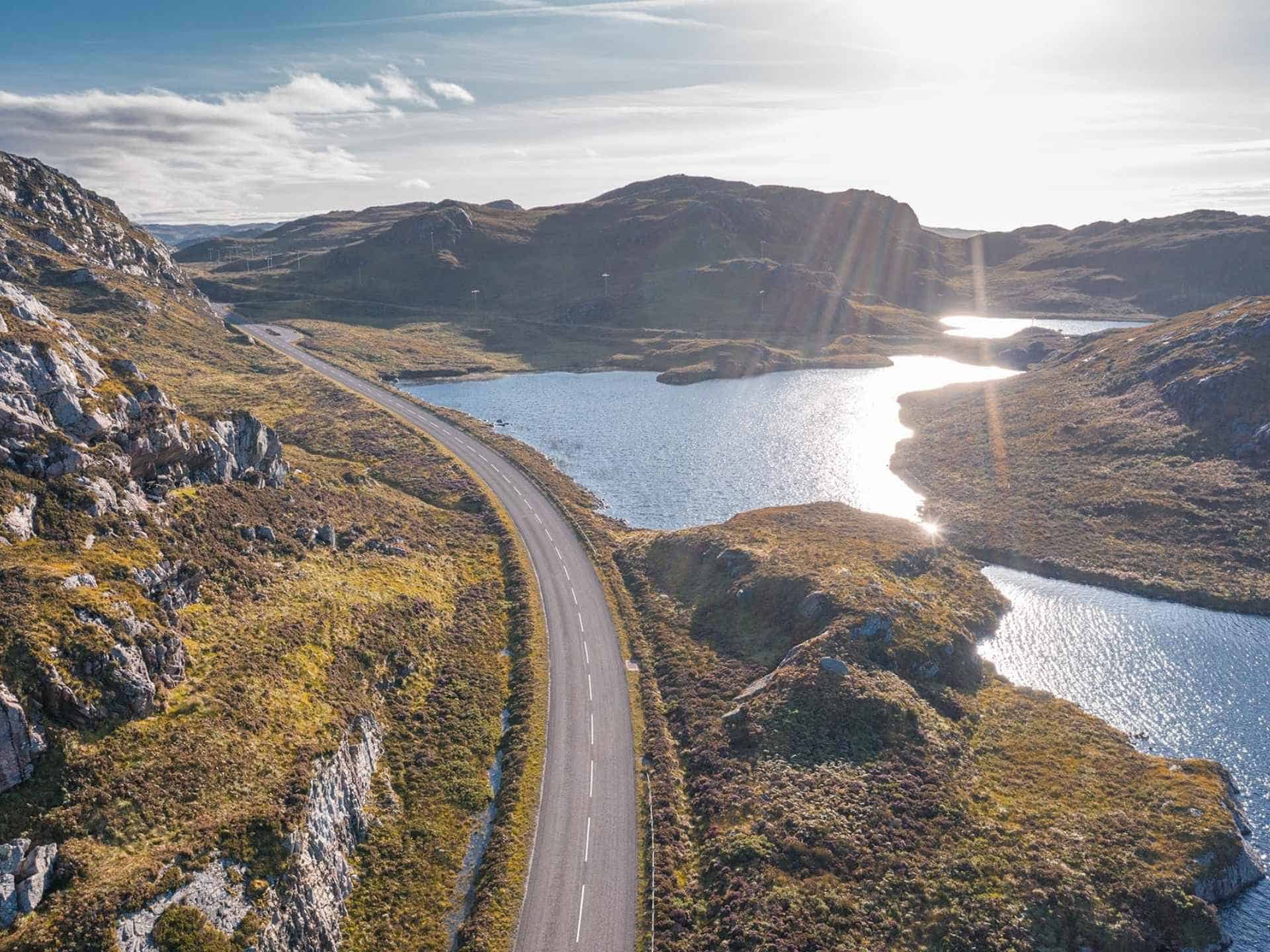
Each Highland region offers a different kind of drive.
Choose Glencoe and Fort William for a dramatic first visit
This is a strong introduction to the Highlands, particularly when travelling north from Glasgow.
The journey combines Loch Lomond, Rannoch Moor, Glencoe and Fort William, giving you some of the region’s most recognisable landscapes without immediately committing to its most remote roads.
It works well for:
- First-time Highland visitors
- Trips of three to five days
- Drivers who want major scenery on established roads
- Journeys beginning in Glasgow or central Scotland
- Combining mountains with Loch Ness or the western coast
Choose the Great Glen and Loch Ness for straightforward touring
The Great Glen provides a natural link between Fort William and Inverness.
The route is scenic without being relentlessly demanding, with established towns, visitor stops and accommodation along the way. It can suit travellers who want a Highland experience while keeping the overall itinerary relatively accessible.
It works well for:
- First Highland road trips
- Families and mixed-interest groups
- Drivers who prefer established roads and facilities
- Combining Fort William with Inverness
- Journeys where attractions and stops matter as much as the driving
Choose the Road to the Isles for mountains, coast and progression
The A830 from Fort William to Mallaig creates a journey with a clear sense of direction.
It begins among inland Highland landscapes before moving towards lochs, beaches and the western coast. Mallaig gives the road a meaningful destination, whether you stay overnight, return towards Fort William or continue by ferry.
It works well for:
- A compact but memorable driving day
- Combining mountains with the sea
- Trips involving Mallaig, Skye or the Small Isles
- Drivers who prefer a defined out-and-back route
- Journeys built around Fort William
Choose the Cairngorms for forests, high roads and eastern access
The Cairngorms offer a different Highland character.
Rather than the sharper coastal drama of the west, you encounter forests, rivers, high ground, open moorland and towns such as Aviemore, Braemar, Ballater and Grantown-on-Spey.
The region is particularly convenient when approaching from Edinburgh, Dundee or Aberdeen. It can also provide an effective connection between eastern Scotland and the Great Glen.
The SnowRoads offer a recognised 90-mile route through the eastern Cairngorms and can be used as part of a wider journey rather than merely a way to cross the region.
The Cairngorms work well for:
- Drivers drawn to open landscapes and forest roads
- Trips beginning in eastern Scotland
- Staying in one base and creating several loops
- Combining driving with walking, food or outdoor activities
- Travellers seeking an alternative to the best-known west coast routes
Popular towns and attractions can still become busy during peak periods, so the Cairngorms should not be treated as a guaranteed escape from traffic.
Choose Wester Ross for remoteness and slower driving
Torridon, Ullapool and the surrounding north-west bring a greater sense of distance.
Here, mountain and coastal landscapes sit close together, roads often demand more patience and apparently short journeys can occupy much of the day.
It works well for:
- Experienced road trippers
- Longer journeys
- Drivers comfortable on narrow and single-track roads
- Combining inland Highlands with selected west coast sections
- Travellers who value remoteness over convenience
Wester Ross overlaps with NC500 territory. This guide treats it as one possible part of a wider Highland journey rather than asking you to complete the entire northern loop.
The great inland Highland drives
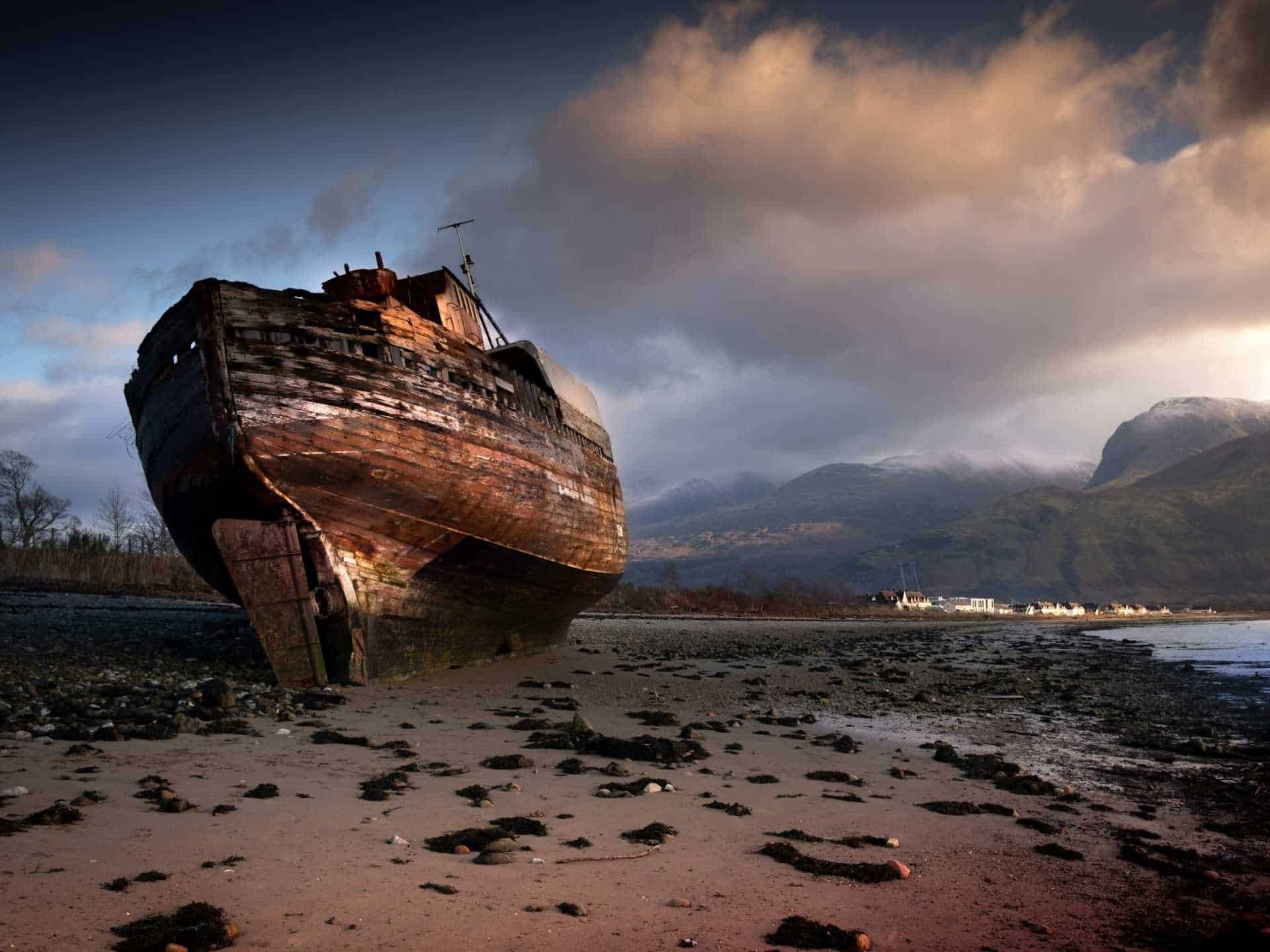
Some of the best Highlands drives sit well away from the far north coast.
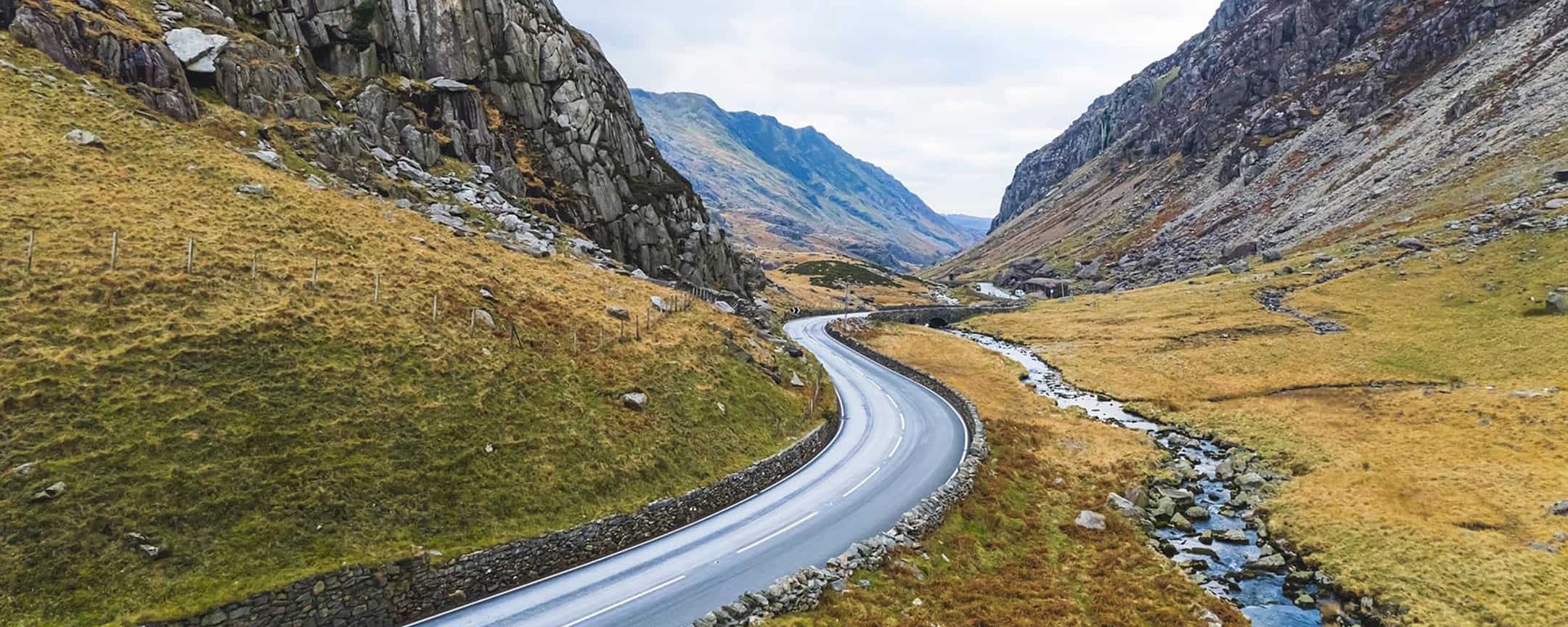
The A82 through Glencoe
The A82 forms one of the principal routes from Glasgow towards the western Highlands.
Travelling north, it follows Loch Lomond before crossing the exposed landscape of Rannoch Moor and entering Glencoe. The road gives the journey a powerful sense of progression: the surroundings become broader, steeper and more dramatic as you travel deeper into the Highlands.
It is also a working main road.
Expect coaches, commercial traffic and slower sections, particularly around Loch Lomond and during busy travel periods. Where daylight, weather and driver alertness allow, an earlier departure can reduce some of this pressure. It should never take priority over good visibility or adequate rest.
The A82 is best used as the spine of a larger journey rather than the entire experience.
You might drive north through Glencoe, stay around Fort William and return by an inland or coastal alternative. This creates a route that continues to change rather than simply retracing the same road.
Live incidents, cameras and roadworks affecting Scotland’s trunk-road network can be checked through Traffic Scotland before departure.
Fort William and the Great Glen
Fort William is one of the most practical bases in the western Highlands.
It places you close to:
- Glencoe
- Glen Nevis
- Ben Nevis
- Loch Linnhe
- The Road to the Isles
- The Great Glen route towards Inverness
From Fort William, the A82 continues north through the Great Glen towards Fort Augustus and Loch Ness.
This may not be the wildest road in the Highlands, but that is part of its value. It connects several significant landscapes and destinations without requiring every mile to feel remote or technically demanding.
For first-time visitors, the Great Glen provides a useful balance between scenery, practical stops and established accommodation.
The Road to the Isles
The Road to the Isles follows the A830 between Fort William and Mallaig.
Its appeal lies in the way the journey changes.
Leaving Fort William, the road moves through mountain-backed landscapes and past Glenfinnan before gradually taking on a stronger coastal character. By the time you reach Arisaig, Morar and Mallaig, the journey feels distinctly western.
Mallaig works as more than a turning point. It is a working harbour and ferry port, giving the drive a genuine destination and the option to continue towards Skye or the Small Isles.
The route can be planned as:
- A full-day return journey from Fort William
- An overnight stay in Mallaig or nearby
- The beginning of a ferry-based extension
- Part of a wider west coast journey
An out-and-back drive can work particularly well here. The road and surrounding landscape reveal themselves differently when travelled in the opposite direction.
Ferry times can define the entire day, so treat them as fixed parts of the itinerary rather than casual additions.
The Cairngorms
The Cairngorms bring a different rhythm to a Highland road trip.
The landscape feels broader and more open in places, with forests, rivers, high roads and communities spread across the eastern Highlands. Aviemore can serve as a practical base for the northern part of the region, while Braemar, Ballater and Grantown-on-Spey offer different access points and route possibilities.
The SnowRoads can provide a useful framework for exploring the eastern Cairngorms, linking mountain landscapes and Highland communities across a recognised scenic route.
Rather than rushing through the area as a transfer between east and west, allow time to create a loop or stay for more than one night.
The Cairngorms are particularly suitable for travellers who want:
- A fixed base with several day routes
- Broader roads mixed with more rural sections
- Access from Edinburgh, Dundee or Aberdeen
- A combination of driving and outdoor activities
- An inland alternative to the west coast
Conditions on higher roads can change quickly, particularly outside summer. Check current weather, restrictions and road information before committing to a particular route.
Loch Ness and Inverness
Loch Ness and Inverness form useful anchors for a Highland journey.
Inverness can serve as:
- A beginning or end point
- A base for shorter drives
- A connection to the Cairngorms
- A gateway to the north-west
- A starting point for the NC500
Loch Ness provides a natural route between Fort William and Inverness. It is not usually the most demanding drive in the Highlands, but it combines scenery with villages, attractions and practical overnight options.
That makes it particularly suitable for first-time visitors or trips involving passengers who want more than continuous driving.
The strongest itinerary often treats Loch Ness as part of a wider progression rather than the sole focus of the day.
How to combine coast and inland Highlands
Some of the best Highland routes combine inland and coastal landscapes.
A good Scotland Highlands driving route often works best when it links one inland section with one coastal section, rather than trying to cover every famous place.
One approach is to travel north through Glencoe, continue to Fort William, follow the Road to the Isles towards Mallaig and then return inland through the Great Glen or Cairngorms.
Another is to begin in Inverness, travel alongside Loch Ness and then move west towards Torridon before returning through a different inland route.
The key is not to make every day enormous.
Highland journeys can take longer than the map suggests because of:
- Traffic
- Weather
- Single-track roads
- Ferry timings
- Viewpoint stops
- Petrol or charging gaps
- Slow access roads
- Livestock, cyclists and working vehicles
A balanced itinerary might include:
- One major scenery day
- One slower coastal or lochside day
- One simpler transfer
- Two nights in the same base
- A shorter alternative in case conditions change
Not every day needs to be a headline drive. Quieter days give you more energy for the roads that matter most.
How different trip lengths can work in the Highlands
Use these ideas as a loose Highlands road trip itinerary framework, not a fixed schedule.
This guide helps you choose the shape of the trip. For a full day-by-day plan, use our dedicated Highlands itinerary article.
Three days
A three-day journey should focus on one compact area.
That might mean Glencoe and Fort William, Inverness and Loch Ness or a Cairngorms base around Aviemore, Braemar or another suitable town.
This works best when you stay in one place or keep accommodation changes to a minimum. The aim is to get a proper feel for one part of the Highlands rather than spend most of the trip repositioning.
Five days
Five days allows you to connect two or three regions without forcing every stop into the itinerary.
A sensible route might link Glencoe, Fort William, the Road to the Isles, Loch Ness and part of the Cairngorms. That gives you mountains, lochs, coast and inland roads without requiring the far north.
Keep the structure loose enough to adapt around weather, ferry timings and the roads that take longer than expected.
Seven days
A week gives the journey more room to breathe.
You could spend time around Glencoe and Fort William, include the Road to the Isles, move through the Great Glen and Loch Ness, then use a Cairngorms base for one or two days.
With seven days, resist the temptation to add every famous location. A journey linking fewer regions well will usually feel more complete than one spent chasing the next overnight stop.
When is the best time for a Highlands road trip?
Spring and autumn often provide a good balance of daylight, traffic and accommodation availability.
Spring
Spring can bring quieter roads, increasing daylight and changing Highland landscapes. Weather remains unpredictable, particularly on higher or exposed routes.
Summer
Summer offers the longest days, which helps when journeys take more time than expected.
It is also the busiest season. Accommodation around Glencoe, Fort William, Skye, Inverness and the western coast can fill early, particularly during July and August.
Summer is also associated with midges, especially in still and damp conditions near water or sheltered areas. Carry repellent and choose longer outdoor stops with the conditions in mind.
Autumn
Autumn can offer quieter roads and atmospheric light. Shortening days, wet leaves and changing weather need to be reflected in the daily plan.
Winter
Winter can be beautiful, but it is rarely the easiest season for a first Highland road trip.
Short daylight hours, ice, snow, storms and closures can change the journey quickly. Keep routes flexible and prioritise current conditions over the original itinerary.
Driving in the Highlands
Driving in the Highlands is manageable when you allow enough time and respect the character of the roads.
Main routes such as the A82, A9 and A830 are generally more straightforward than remote single-track roads, but they are still affected by traffic, incidents, weather and maintenance.
On single-track roads:
- Use passing places properly
- Never park in them
- Let faster local traffic pass when safe
- Be prepared to reverse when necessary
- Look well ahead
- Leave space between vehicles
- Give working and larger vehicles enough room
If the passing place is on your left, pull in. If it is on your right, wait opposite it so the oncoming vehicle can use it.
Passing places are for keeping traffic moving, not for photos, picnics or parking.
Also watch for:
- Cyclists
- Walkers
- Wildlife
- Livestock
- Tractors
- Campervans
- Rapid weather changes
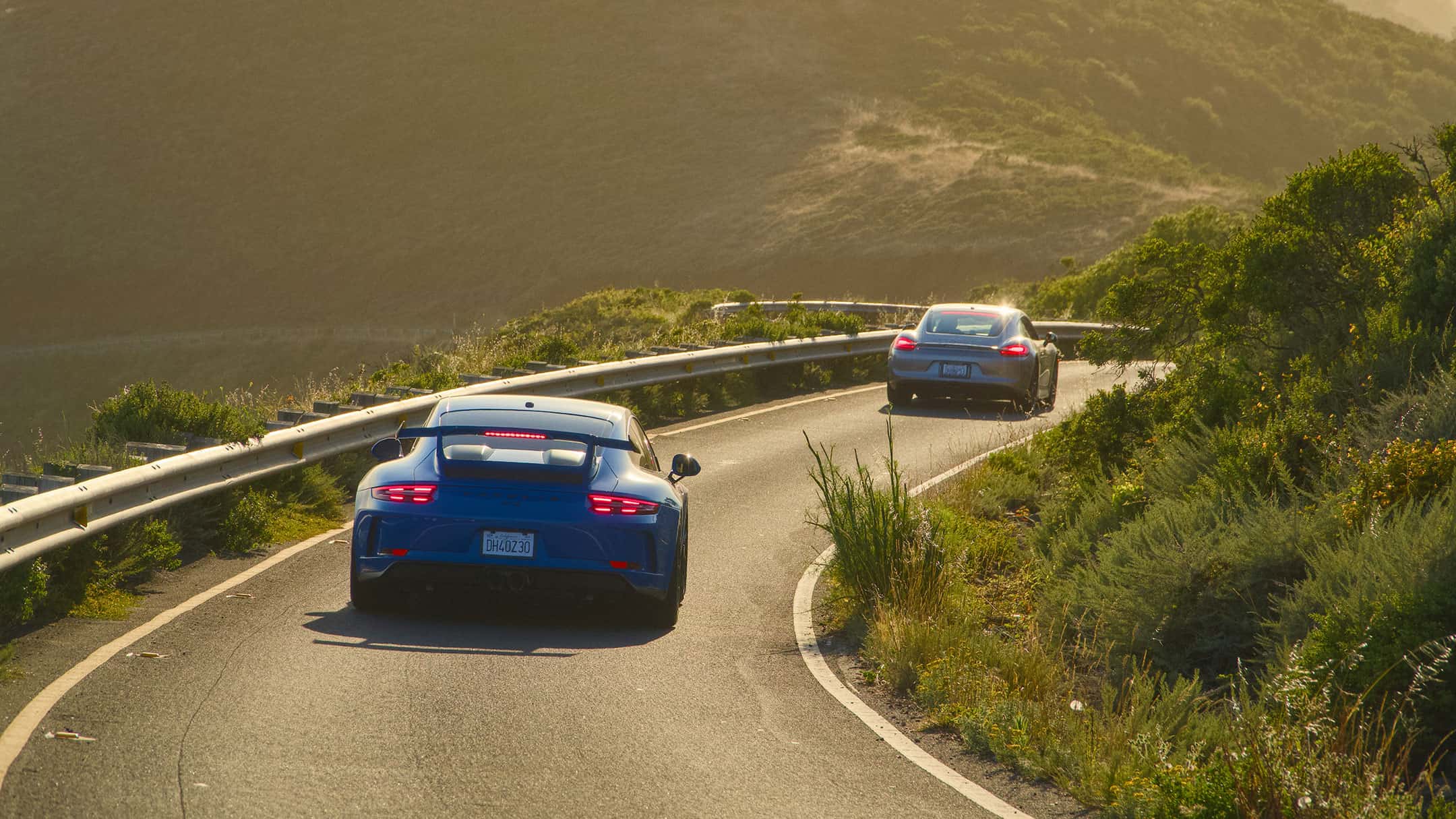
If you are travelling in a low, wide or valuable car, review the journey carefully. Some access roads, parking areas and scenic detours may be narrow, uneven or exposed.
A road that works well in a compact hatchback may feel very different in a wide grand tourer or low sports car.
Should you stay in one base or tour?
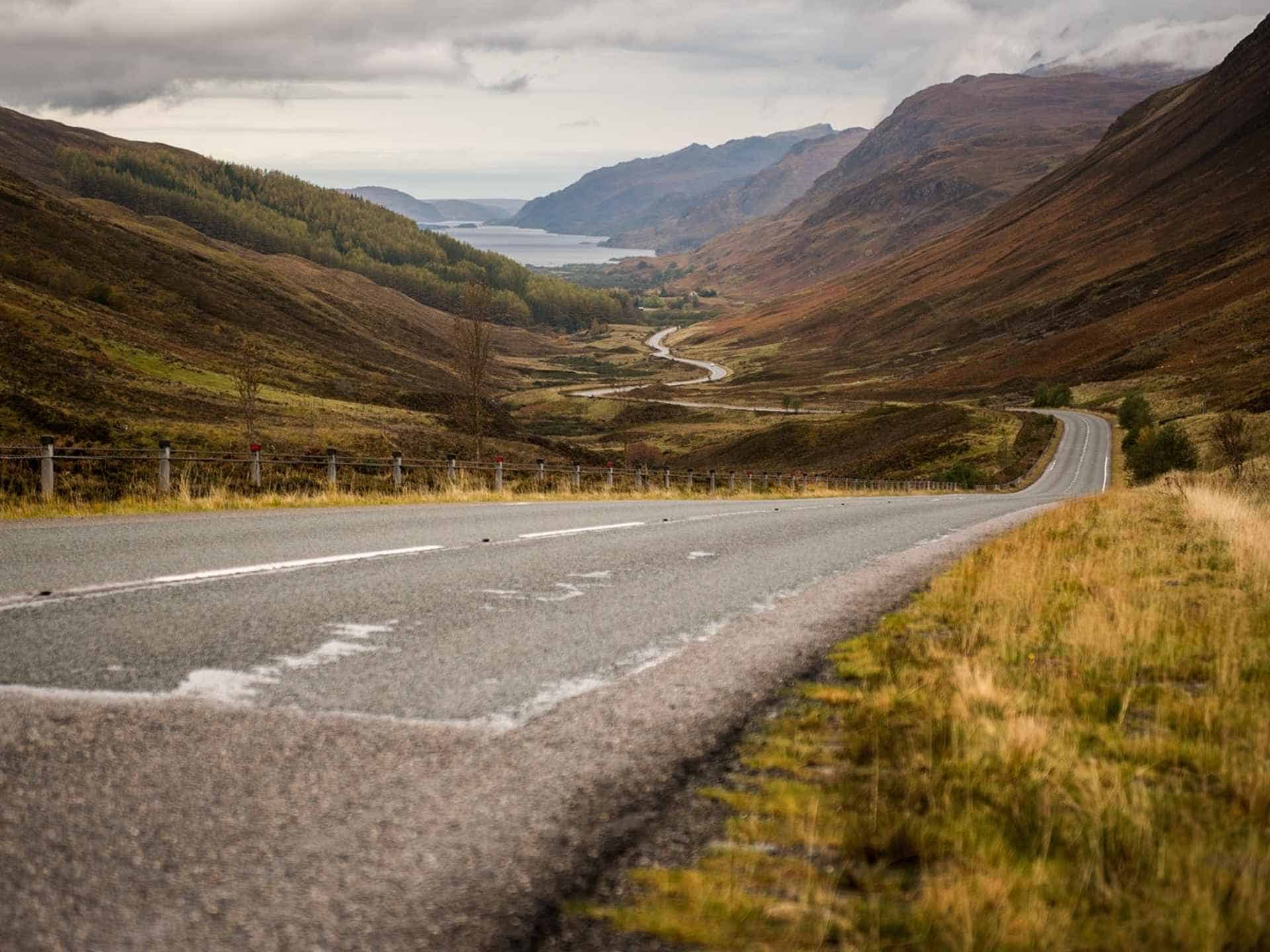
There are two effective ways to plan a Highland journey.
Staying in one base
A fixed base reduces packing and creates more flexibility.
Fort William, Inverness, Aviemore, Oban and Ullapool can each work, depending on the region you want to explore.
A base is particularly useful when:
- You have a shorter trip
- The weather may affect your plans
- You are travelling with family or a group
- Parking is important
- Several worthwhile loops are nearby
It also allows you to change the day without affecting the next hotel booking.
Touring from place to place
Moving on creates a stronger sense of progression.
It allows you to link Glencoe, Fort William, Mallaig, Loch Ness, the Cairngorms and selected coastal areas without repeatedly returning to the same point.
The trade-off is reduced flexibility. Each day must deliver you to another overnight stop, even when traffic, weather or energy levels change.
For a first Highland trip, a combination often works best: two nights in one base, followed by one or two nights elsewhere.
That creates variety without turning every morning into another exercise in repacking the car.
How many days do you need in the Highlands?
Three days is enough for a first experience of one compact area.
Five days allows you to connect several regions without making every day a long transfer. Seven days creates more freedom to combine inland and coastal roads with time away from the car.
As a broad guide:
- Two to three days: one base and a compact regional route
- Four to five days: Glencoe, Fort William, Loch Ness and part of the Cairngorms
- Six to seven days: add the Road to the Isles, Skye or a selected west coast section
- More than a week: combine inland Highlands with Wester Ross or part of the NC500
Do not build the journey around mileage alone. A shorter Highland road can occupy far more of the day than a longer motorway section.
Highland stops worth building into a route
The best stops depend on the shape of the journey, but useful anchors include:
- Glencoe: mountain scenery and a dramatic approach through the western Highlands
- Rannoch Moor: open, exposed landscapes on the route north
- Fort William: access to Glen Nevis, Loch Linnhe and the Road to the Isles
- Glenfinnan: loch views and a natural stop on the way to Mallaig
- Mallaig: a working harbour, food and ferry connections
- Loch Ness: an accessible link between Fort William and Inverness
- Inverness: a practical base and gateway to several Highland regions
- Aviemore: access to the northern Cairngorms
- Braemar and Ballater: useful anchors for the eastern Cairngorms
- Torridon: a more remote option for longer west coast journeys
Do not try to include all of them in one short trip.
Choose the places that strengthen the route, then leave enough space to experience the roads and landscapes between them.
Plan your Highlands route with New Roads
A Highland journey should feel shaped around you, not copied from the same list followed by everybody else.
Tell the New Roads AI chat:
- Where you are starting
- How many days you have
- What you drive
- The regions that interest you
- How much time you want behind the wheel
- Whether you prefer a base or a touring itinerary
- The balance you want between roads, scenery and stops
- Any petrol or charging requirements
For example:
“Plan a five-day Scottish Highlands road trip from Glasgow for a low sports car, combining Glencoe, the Road to the Isles and the Cairngorms, with realistic daily driving, suitable parking and no unnecessarily narrow roads where possible.”
You can then refine the itinerary:
- Make one day shorter
- Add another night in the same base
- Reduce motorway use
- Add petrol or charging stops
- Replace a road that may not suit the vehicle
- Add accommodation near the end of each day
- Create a simpler route for poor weather
With the current New Roads features, you can add stops, consider accommodation ideas, review vehicle-suitability information, save the journey in My Trips and export it through supported navigation options where available.
Always review the final route before departure. Navigation platforms may recalculate sections, while weather, closures and local conditions can change.
Less time planning. More time driving.
Build your Scottish Highlands route in New Roads around your car, start point, available time and the roads you actually want to drive.
AI can make mistakes. Always check routes, live road conditions, closures, parking, accommodation, petrol, charging and vehicle suitability before travelling.
Scottish Highlands road trip FAQs
- What is the best Scottish Highlands road trip?
A strong first journey could connect Glencoe, Fort William, Loch Ness and the Cairngorms.
With more time, add the Road to the Isles, Skye, Torridon or a selected west coast section.
- Is the Highlands road trip the same as the NC500?
No. The NC500 is a recognised touring loop through the north of Scotland. A wider Highland road trip can include part of it, but it can also focus on Glencoe, Fort William, Loch Ness, the Road to the Isles and the Cairngorms.
- How many days do you need in the Highlands?
Three days gives you time to explore one compact area.
Five to seven days is better when you want to combine several regions without making every day feel rushed.
- What are the best roads in the Scottish Highlands?
Well-known Highland drives include the A82 through Glencoe, the A830 between Fort William and Mallaig, the Great Glen route towards Loch Ness and routes through the Cairngorms.
The best choice depends on your vehicle, starting point, available time and preferred driving style.
- Can you do the Highlands without the NC500?
Yes. Glencoe, Fort William, Loch Ness, the Cairngorms and the Road to the Isles can form a memorable Highland journey without completing the northern coastal loop.
- What is the best time to drive in the Highlands?
Spring and autumn often provide a useful balance of daylight, traffic and planning flexibility.
Summer offers longer days but more demand for roads and accommodation. Winter requires greater flexibility because of short daylight hours and changing conditions.
- Where should you base yourself in the Highlands?
Fort William, Inverness, Aviemore, Oban and Ullapool can all work as bases.
The best choice depends on the part of the Highlands you want to explore. Fort William suits Glencoe and the Road to the Isles, while Aviemore provides access to the Cairngorms.
- What are the must-see Highlands stops?
Glencoe, Rannoch Moor, Fort William, Glenfinnan, Mallaig, Loch Ness, Inverness, Aviemore and Torridon can all add value to a Highland journey.
Choose them according to the route rather than trying to fit every famous place into one trip.