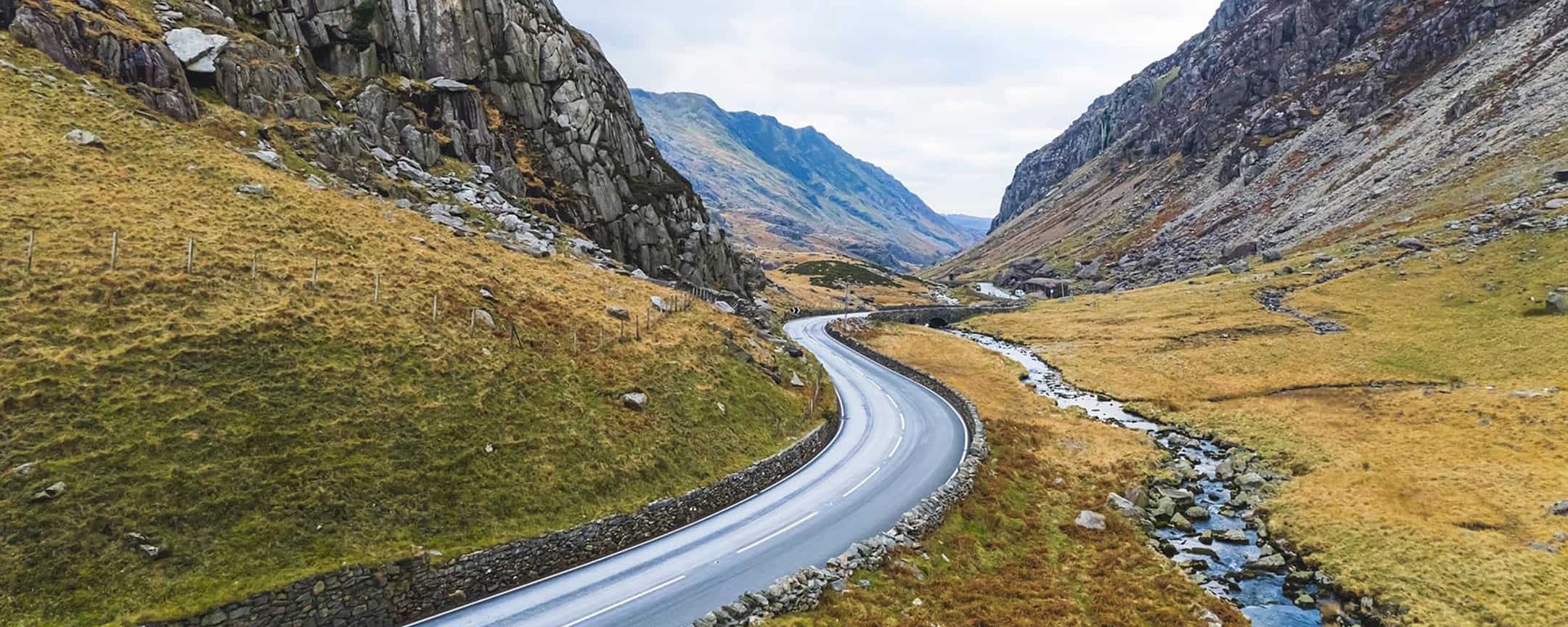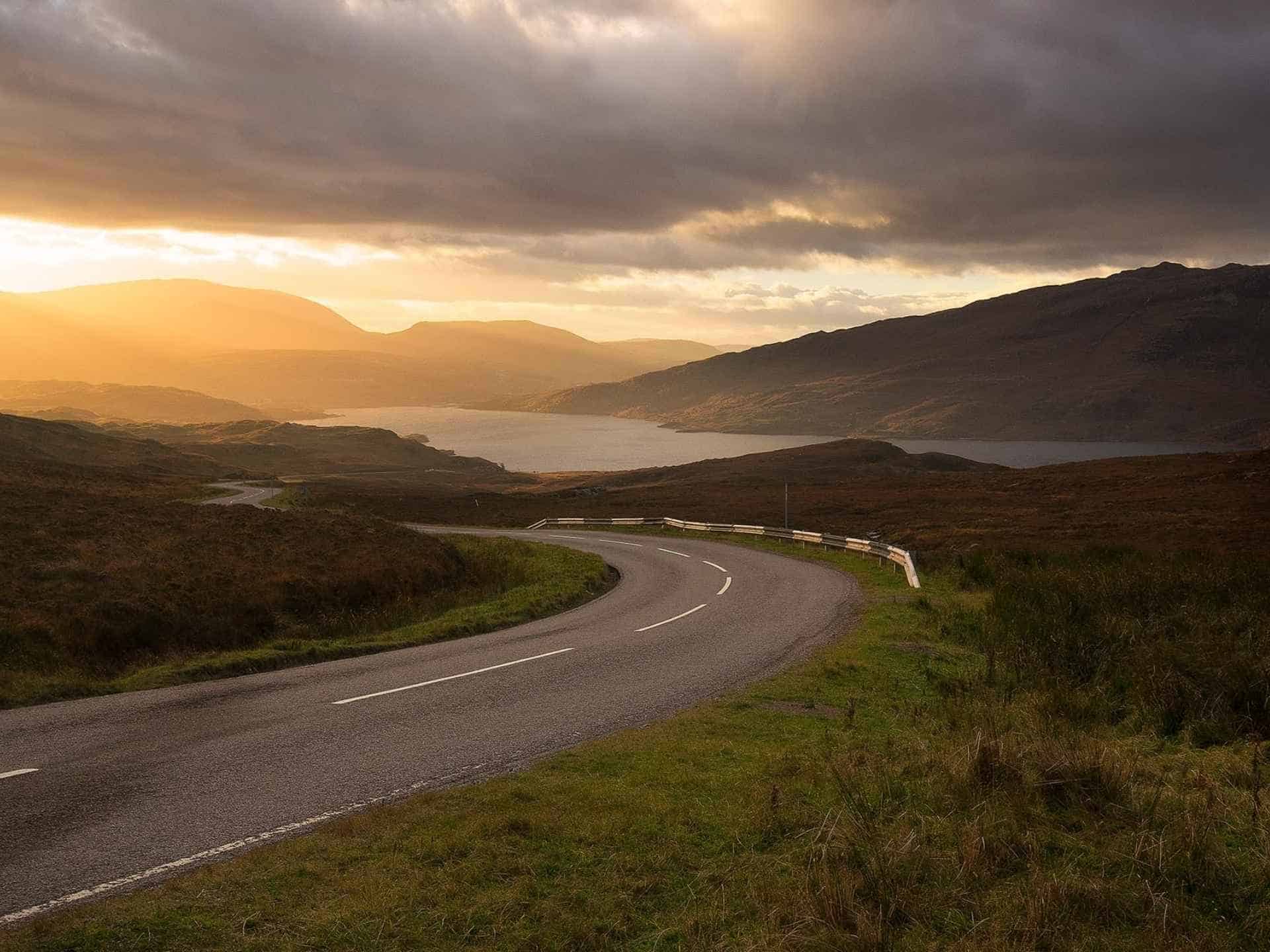
West coast Scotland road trip guide
Scotland’s west coast refuses to be reduced to a single loop.
It unfolds through sea lochs, ferry crossings, forest roads, working harbours and mountain passes, giving you the freedom to shape the journey around your car, your pace and the places that make you want to stop.
A west coast Scotland road trip might mean an unhurried drive through Argyll and Kintyre, a ferry-hopping journey through the islands or several days exploring the wilder roads of Wester Ross. It can overlap with the NC500 in the north, but the western seaboard begins much further south and offers far more variety than one named route can contain.
Argyll, Kintyre, Lochaber and the islands bring you miles of coastline, fishing towns, quiet peninsulas and memorable driving long before you reach the northern Highlands.
For the bigger national picture, start with our Scotland road trip hub.
Scotland’s western seaboard explained
The west coast of Scotland follows a long and fragmented edge of peninsulas, islands, sea lochs and mountain-backed roads.
For planning purposes, it helps to divide the coast into three broad regions:
- Argyll and Kintyre in the south
- Lochaber and the Road to the Isles around Fort William and Mallaig
- Wester Ross and the Applecross peninsula in the north
Each has its own character.
Argyll and Kintyre are well suited to a slower touring journey, with harbour towns, woodland roads and plenty of reasons to pause. Lochaber combines mountains, lochs and coast within a relatively compact area. Wester Ross feels more remote, with narrower roads, bigger landscapes and journeys that often take longer than the map suggests.
The best route will depend on how much time you have, the sort of driving you enjoy and the vehicle you are taking. A low sports car, a grand tourer, a classic or an electric vehicle each call for a slightly different plan.
For the complete northern coastal loop, use our NC500 road trip guide. For the wider western seaboard, stay here.
Argyll and Kintyre: the southern west coast
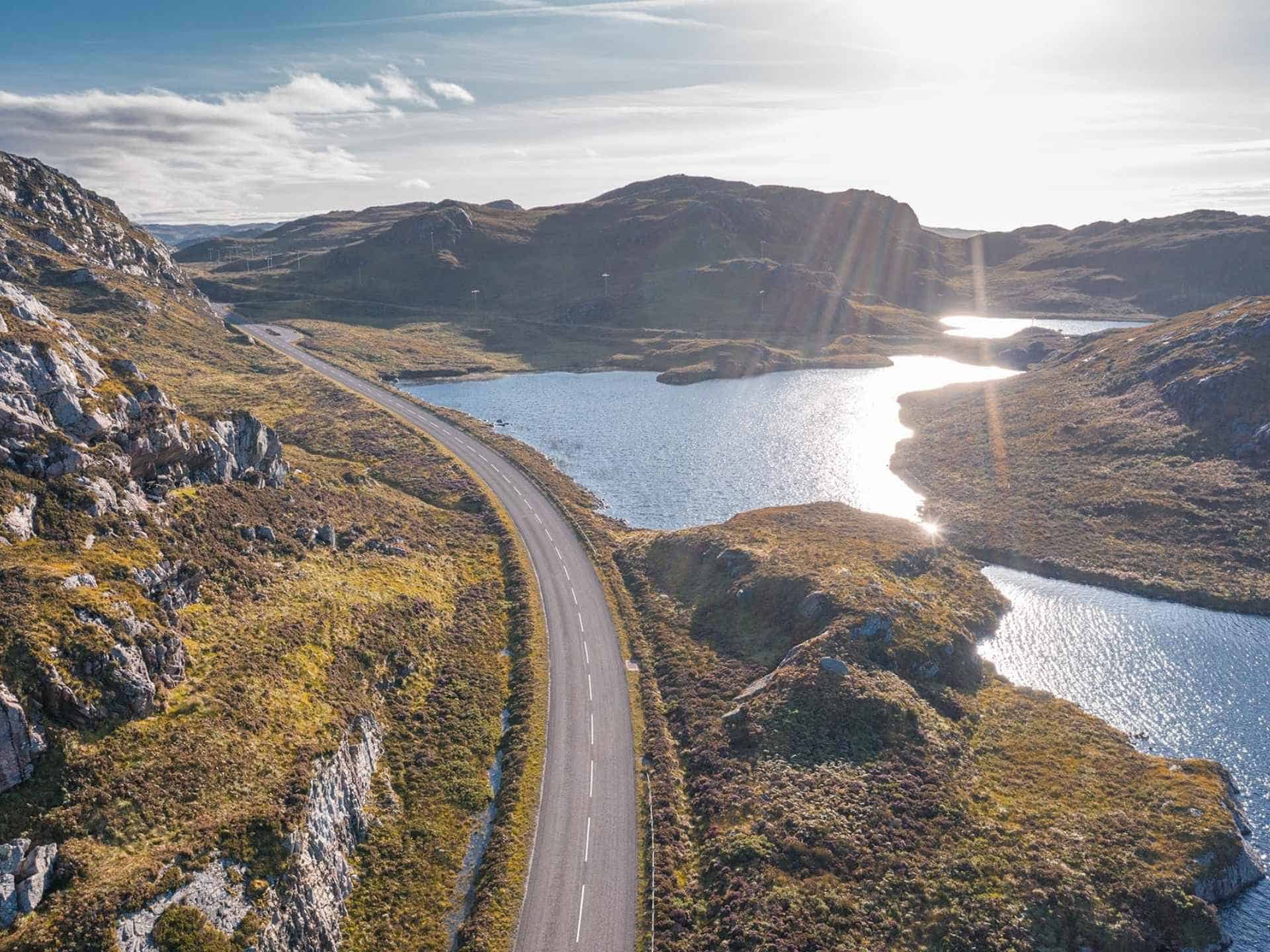
Argyll and Kintyre are a compelling reminder that you do not need to travel to the far north to experience the character of Scotland’s west coast.
Easier to reach from Glasgow and central Scotland, this region rewards drivers who are prepared to slow down. An Argyll road trip might connect Loch Lomond, Inveraray, Loch Fyne, Oban, Kilmartin Glen, Crinan and Tarbert before continuing down the Kintyre peninsula.
The roads are not always fast, but speed is rarely the point. The appeal lies in the rhythm of the journey: stretches of lochside road, enclosed woodland, open coastal views and small towns where stopping feels like part of the route rather than an interruption to it.
Kintyre feels particularly separate from the better-known Highland circuits. Continue towards Campbeltown and the peninsula begins to feel like a journey in its own right, with the option to introduce a ferry crossing to Gigha, Islay or Arran where it fits your plans.
Argyll and Kintyre are particularly well suited to drivers looking for:
- A west coast experience without travelling as far north as the NC500
- Ferry-hopping opportunities within Scotland
- Sea lochs, seafood, harbour towns and coastal stops
- A more relaxed route without pressure to complete a famous loop
- A rewarding first west coast trip from Glasgow or central Scotland
Ferry times should be treated as part of the route rather than an afterthought. Crossings can shape the entire day, and availability, weather conditions and operational changes should always be checked before travelling.
The Road to the Isles and Lochaber
The Road to the Isles is one of Scotland’s defining west coast drives.
Following the A830 from Fort William to Mallaig, it links inland Highland scenery with the Atlantic coast. Along the way, the road passes Glenfinnan, mountain-backed lochs, coastal viewpoints and stretches where the landscape seems to open with every mile.
This section works particularly well for a shorter journey. Fort William, Glenfinnan, Arisaig, Morar and Mallaig can be combined without creating an itinerary that feels like a race between overnight stops.
You can drive the route as an out-and-back journey, allowing time to revisit favourite viewpoints from a different direction, or use Mallaig as a departure point for Skye or the Small Isles.
The Road to the Isles is a strong choice for drivers seeking:
- A compact route with a remarkable variety of scenery
- A natural connection between Fort William, Glencoe and the coast
- Ferry options without committing to a longer island-hopping trip
- A combination of mountains, lochs, beaches and working harbours
- A memorable journey that does not depend on covering huge distances
It also sits neatly alongside a Scottish Highlands road trip for travellers who want to experience both inland roads and the western coast.
Wester Ross and the Applecross peninsula
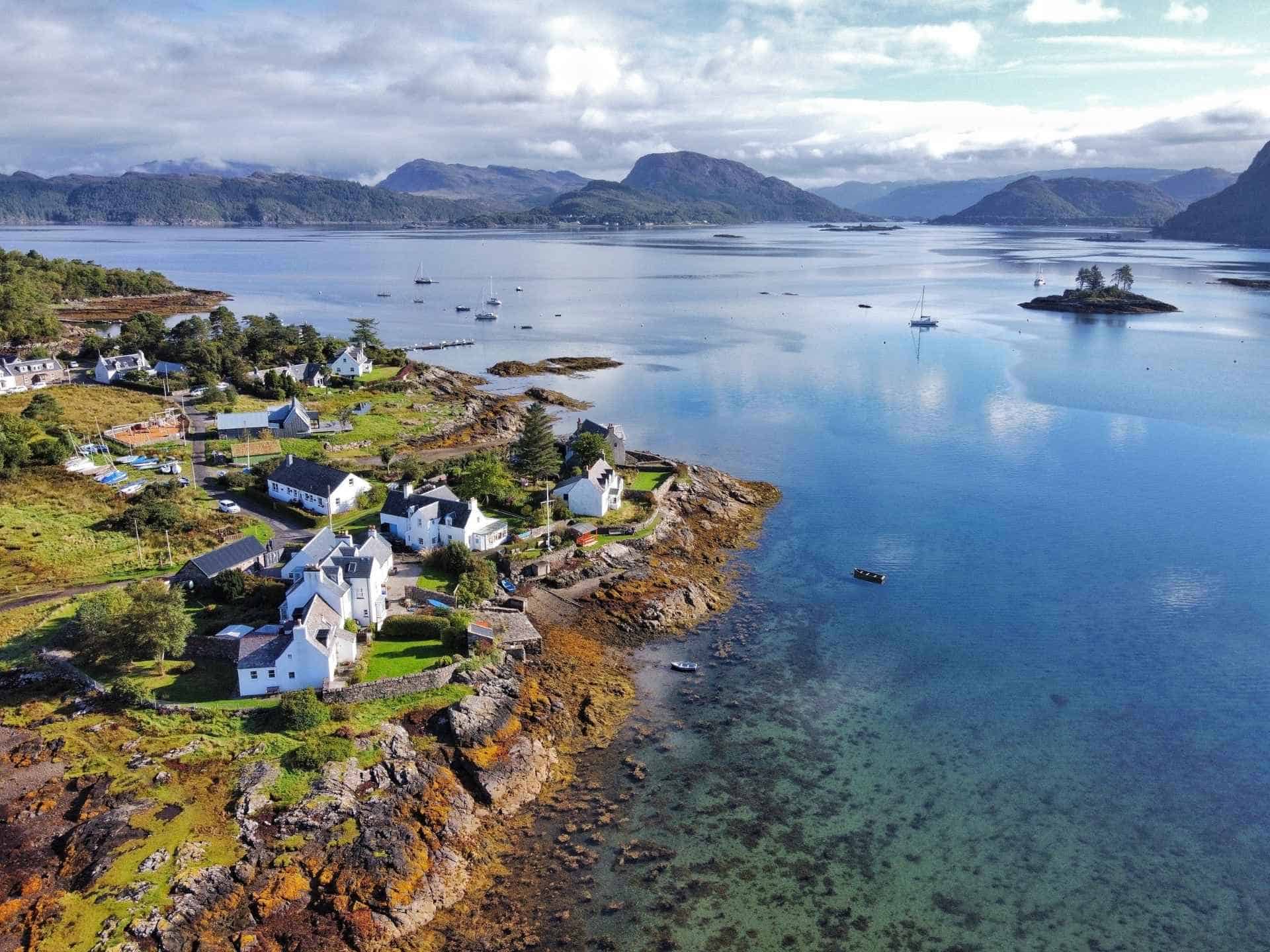
Wester Ross is where the west coast begins to feel genuinely remote.
The region around Torridon, Shieldaig, Applecross, Gairloch, Loch Maree and Ullapool offers the combination many drivers imagine when they picture the Highlands: mountain roads, sea views, changing weather and long stretches where the landscape feels far larger than the road passing through it.
This is also the area where a west coast route overlaps most clearly with the NC500. If your plans centre on Applecross, Torridon and the far north-west, the northern loop may provide the most useful overall structure.
Distances in Wester Ross should be treated with care. Roads can be narrow, progress is often slower than expected and the places worth visiting rarely suit a hurried schedule. Accommodation can also fill quickly during the summer months.
Applecross and Bealach na Bà are among the best-known names in the region, but the road demands respect. It is steep, narrow and exposed, with passing places and conditions that can change rapidly. Poor visibility, difficult weather or an unsuitable vehicle are all good reasons to choose an alternative route.
Wester Ross suits drivers looking for:
- More remote west coast landscapes
- Mountain and sea views within the same day
- Slower, more involved driving
- A route that can connect naturally with the NC500
- Overnight stops around Torridon, Applecross, Gairloch or Ullapool
The pleasure here comes from allowing the road and conditions to set the pace. Build in more time than you think you need.
Can you ferry-hop along the west coast of Scotland?
Yes. Ferry-hopping is one of the most effective ways to make a west coast Scotland road trip feel like a genuine journey rather than a conventional driving holiday.
From Argyll, potential crossings include Mull, Islay, Jura, Gigha and Colonsay, depending on your starting point, available time and preferred route. From Mallaig, ferries can connect you with Skye or the Small Isles. Further north, Ullapool provides a connection to Lewis.
The key is not to treat a ferry as a casual addition to an already full itinerary.
A crossing creates a fixed point in the day. You need to account for sailing times, booking requirements, vehicle check-in, possible disruption and the distance you still need to cover after arriving.
A ferry day is usually best kept lighter than a normal driving day. Leave time for queues, weather changes and boarding, then give yourself space to enjoy where you arrive rather than immediately chasing the next stop.
Sample west coast Scotland road trip itineraries

There is no single perfect route, but these examples offer a useful starting point.
Three-day Argyll road trip
Day 1: Loch Lomond to Inveraray
Begin with a drive through the southern Highlands before continuing towards Inveraray and Loch Fyne.
Day 2: Inveraray to Oban
Travel through Argyll with time for Kilmartin Glen, Crinan or a slower coastal detour.
Day 3: Oban and the surrounding coast
Explore the roads around Oban or introduce a short ferry journey before returning south.
This is a good choice for a first west coast trip from Glasgow or central Scotland.
Five-day Road to the Isles journey
Day 1: Glencoe and Fort William
Use Fort William as the bridge between the inland Highlands and the coast.
Day 2: Fort William to Mallaig
Follow the Road to the Isles through Glenfinnan, Arisaig and Morar.
Day 3: Mallaig or a ferry connection
Spend time around Mallaig or cross to Skye or the Small Isles.
Day 4: Return towards Fort William
Allow time for stops you may have passed on the outward journey.
Day 5: Continue through Glencoe or extend into Argyll
Choose between a final Highland drive or a longer journey south towards Oban.
This route offers substantial scenery without relying on long daily distances.
Seven-day west coast route
Days 1 & 2: Loch Lomond, Inveraray and Oban
Begin in the southern west coast, taking time to explore Argyll rather than treating it as a transit route.
Day 3: Oban to Fort William
Follow the coast north towards Lochaber.
Day 4: Fort William to Mallaig
Drive the Road to the Isles with stops around Glenfinnan, Arisaig and Morar.
Day 5: Ferry or coastal day
Use Mallaig for an island connection or spend a quieter day exploring the surrounding coast.
Days 6 & 7: Continue north or return through the Highlands
With careful planning, extend towards part of Wester Ross. Alternatively, create a more relaxed return journey through the inland Highlands.
A seven-day itinerary gives you more freedom, but it is still better to explore selected regions properly than to force the entire west coast into one trip.
How many days do you need?
You can experience part of the west coast in three days, but five to seven days creates a far more relaxed journey.
For a shorter trip, concentrate on one region. Argyll and Kintyre work well from Glasgow, while Fort William, Glenfinnan and Mallaig form a natural compact route. Wester Ross generally benefits from more time, particularly if you intend to include Torridon, Applecross or Ullapool.
As a broad guide:
- 2-3 days: Argyll, Kintyre or the Road to the Isles
- 4-5 days: Argyll with a ferry crossing, or Fort William to Mallaig and Skye
- 6-7 days: Argyll, Lochaber and a carefully selected part of Wester Ross
- More than a week: The southern west coast combined with islands or part of the NC500
Do not plan around mileage alone. West coast roads can be slow, ferries introduce fixed timings and the best stops deserve more than a hurried photograph.
When is the best time to visit?
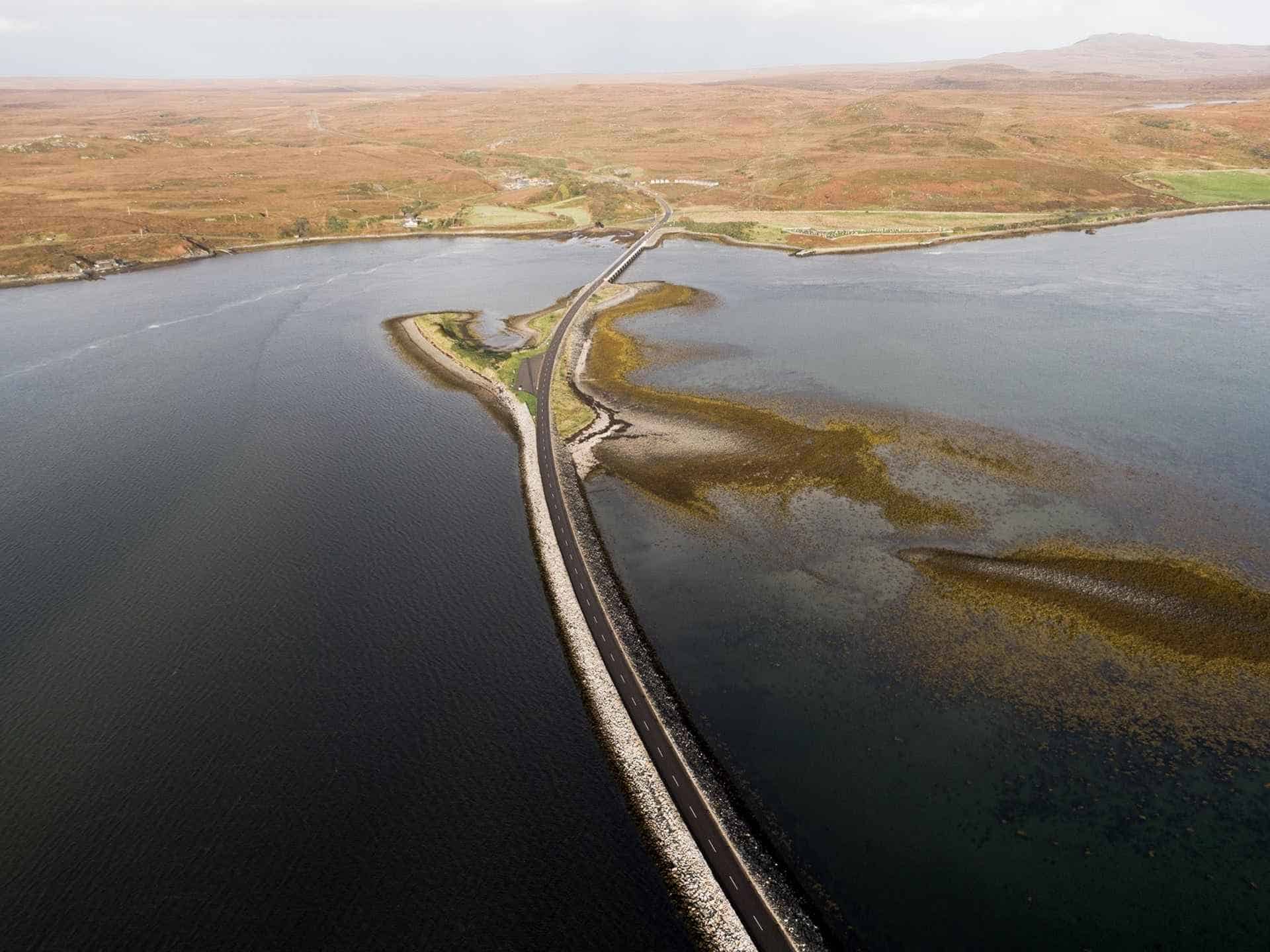
Spring and autumn often offer the most balanced conditions for a west coast Scotland road trip. There is more daylight than in winter, roads can be quieter than during peak summer and accommodation may be easier to secure.
Summer provides the longest days, which is valuable when combining driving, ferry crossings and stops. It is also the busiest period. Accommodation around Oban, Mull, Skye, Fort William, Mallaig, Applecross and Ullapool should be booked ahead, particularly in July and August.
Summer is also midge season. Calm, damp evenings near water can be particularly challenging, so carry repellent and choose picnic or camping stops carefully.
Winter can be beautiful, but it requires a genuinely flexible plan. Short daylight hours, ice, exposed roads and possible ferry disruption can all affect the journey. Drivers who are unfamiliar with Scottish roads will usually find spring, early summer or autumn easier.
What is driving on Scotland’s west coast like?
Driving on Scotland’s west coast can be deeply rewarding, but it is not always quick or straightforward.
Expect a mixture of wider A-roads, narrow sections, single-track roads, villages, ferry traffic, campervans, cyclists, livestock and rapidly changing weather. Some roads follow the coastline closely, while others turn inland to work around lochs, mountains and peninsulas.
A few principles make the journey safer and more enjoyable:
- Do not rush on single-track roads
- Use passing places correctly
- Never park in passing places or block gates
- Allow faster local traffic to pass when it is safe
- Include fuel and electric vehicle charging in your plan
- Check ferry times before committing to a long detour
- Keep alternative routes available on more remote days
Vehicle choice matters.
A low, wide or particularly valuable car may require closer route checks. Some scenic roads are narrow, uneven or exposed. Not every detour will suit every vehicle. A route that is enjoyable in a compact hot hatch may feel very different in a wide supercar, classic car or large SUV.
The most enjoyable drive is the route that suits the car, the driver and the conditions on the day.
Where should you stay?
The right base depends on which section of the coast you want to explore.
For Argyll and Kintyre, consider Inveraray, Oban, Tarbert, Lochgilphead, Campbeltown or one of the surrounding villages.
For the Road to the Isles, Fort William, Glenfinnan, Arisaig and Mallaig all provide practical options.
For Wester Ross, Torridon, Shieldaig, Applecross, Gairloch and Ullapool place you close to some of the region’s most rewarding roads and landscapes.
Staying in one base can reduce packing and provide more flexibility. A touring itinerary creates a stronger sense of progression, with a new landscape and destination at the end of each day.
Accommodation can be limited in smaller west coast locations. Before booking, check parking, food options, arrival times, ferry connections and electric vehicle charging where required.
New Roads can recommend places to stay and stop as part of your route, but current availability, access and booking details should always be confirmed directly.
Build your west coast route with New Roads
A memorable west coast drive should feel as though it was made for you, not copied from a generic list.
New Roads turns a rough idea into a personalised route based on where you are starting, how much time you have, the roads you want to experience and the car you are bringing.
Tell the AI chat whether you are drawn to Argyll, Kintyre, the Road to the Isles, ferry crossings, Wester Ross or a combination of regions. New Roads can then shape the journey around your preferences, trip length, route style and vehicle information where available.
You can refine the itinerary with additional stops, accommodation ideas and petrol or electric vehicle charging information where supported. Save the journey in My Trips and export the route to Google Maps. GPX export is available where the feature is live, while the vehicle suitability report can help you consider road width, surface, gradient and clearance where relevant data is available.
Less time planning. More time driving.
Explore New Roads Features and start building your west coast Scotland road trip.
AI can make mistakes. Check important info before you set off, including routes, road conditions, ferry times, closures, local rules, parking, booking details and vehicle suitability.
West Coast Scotland road trip FAQs
- What is the best west coast Scotland road trip?
A strong first west coast Scotland road trip could link Loch Lomond, Inveraray, Oban, Fort William, the Road to the Isles and Mallaig. With more time, add Kintyre, a ferry to an island or a northern section through Wester Ross.
The best route depends on your available time, preferred driving style and vehicle.
- Is the west coast of Scotland the same as the NC500?
No. The NC500 includes part of the northern west coast around Applecross, Torridon and Ullapool.
The wider west coast also covers Argyll, Kintyre, Lochaber, the Road to the Isles and numerous ferry routes to the islands.
- What is the Road to the Isles?
The Road to the Isles is the A830 between Fort William and Mallaig. It links mountains, lochs, Glenfinnan, beaches, coastal settlements and ferry connections within one of Scotland’s best-known west coast drives.
- How many days do you need for a west coast Scotland trip?
Three days is enough to explore one compact region, such as Argyll or the Road to the Isles.
Five to seven days gives you more freedom to include ferry crossings, overnight stops and slower journeys without making the trip feel rushed.
- What are the best roads in Argyll?
Popular Argyll route options include the roads around Loch Lomond, Inveraray, Loch Fyne, Kilmartin, Oban, Crinan, Tarbert and Kintyre.
The best combination depends on where you begin and whether you prefer coast roads, ferry crossings or slower touring routes.
- Can you drive Kintyre in a day?
You can explore part of Kintyre in a day, but it is better not to rush.
Allow more time if you want to reach Campbeltown, explore the coast, stop for food and viewpoints or include a ferry crossing.
- What is the best time to drive Scotland’s west coast?
Spring and autumn often provide the best balance of daylight, quieter roads and manageable planning.
Summer brings long days but also more visitors and midges. Winter requires additional flexibility because of short daylight hours, exposed conditions and possible ferry disruption.
- Where should you stay on the west coast?
Useful bases include Oban, Inveraray, Tarbert, Campbeltown, Fort William, Arisaig, Mallaig, Torridon, Gairloch and Ullapool.
Choose your accommodation around the part of the coast you genuinely want to experience rather than attempting to cover the entire region from one base.