Spain road trips: the best Spanish drives
Spain gives you plenty of choice when planning a road trip around the roads you enjoy driving.
You can follow mountain roads through the green north, link Andalusian hill towns and white villages or take a slower route along the Mediterranean coast. The country is large enough for a proper two-week journey, but it also has regions that work brilliantly for a long weekend or a one-week escape.
The best road trips in Spain are usually built around one part of the country rather than a rush from coast to coast. Pick a region, choose a base or two and leave room for the smaller roads and scenic stops.
For ideas across the wider continent, see our best European road trips.
How to choose a Spanish road trip
Start with the time you have and the sort of scenery you want around the car.
Northern Spain suits drivers who enjoy mountain roads, green landscapes and Atlantic coastlines. Andalusia brings hotter days and whitewashed towns. The Mediterranean coast can be shaped into a longer, easy-going drive with plenty of coastal stops, while the islands offer a more compact route with its own character.
For a shorter trip, choose one area and avoid treating Spain like a country you can cover in a few days. A week gives you time to settle into a region. Two weeks can work well for a bigger journey, perhaps travelling through the north and Pyrenees or linking Andalusia with the Mediterranean coast.
Think about your car as well. A compact car is easier on narrow village streets, mountain roads and busy coastal parking areas. A larger estate or SUV may be more comfortable for the long outward journey, but it is worth checking accommodation access and parking before you book.
The north: Picos de Europa, the Pyrenees and the green coast
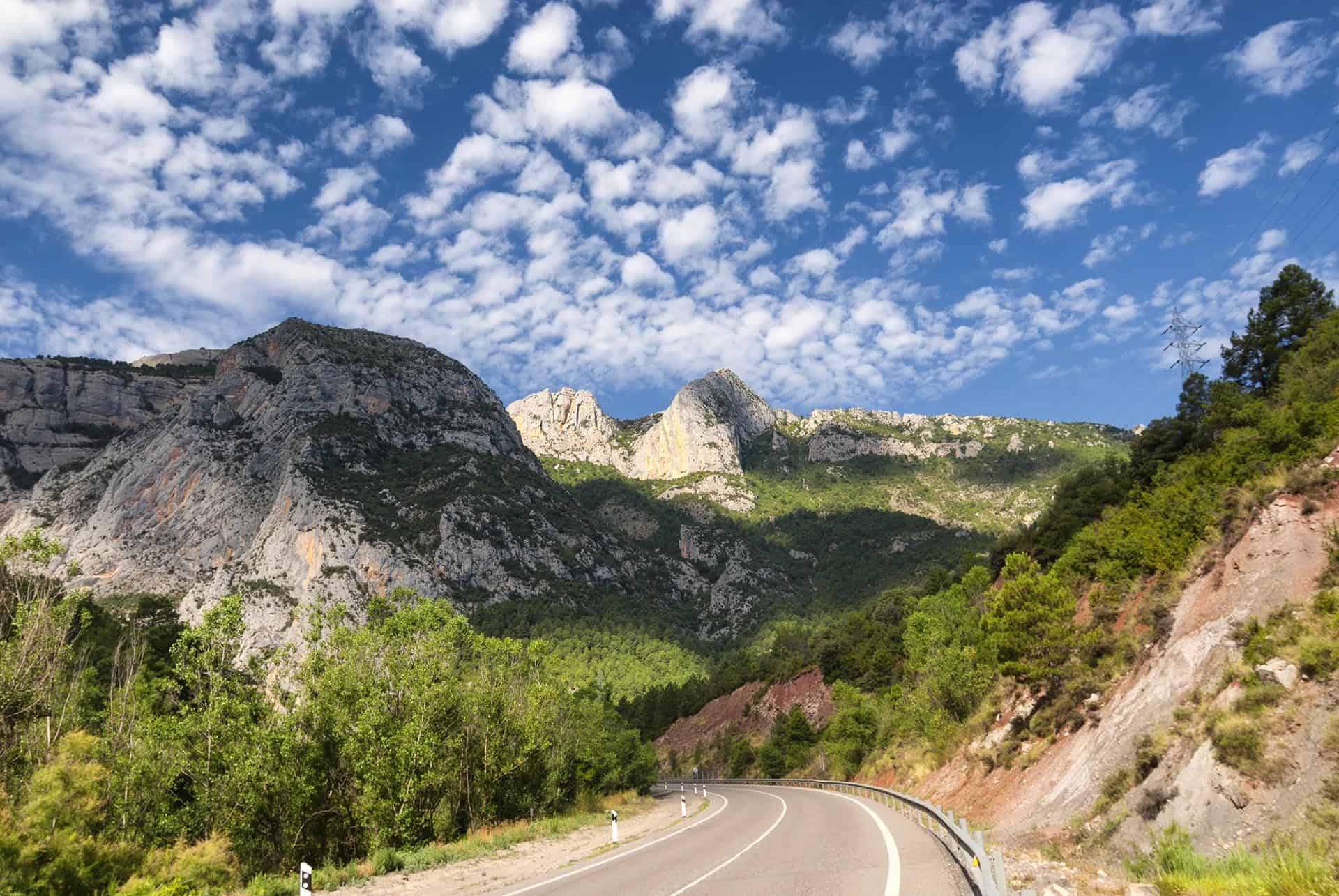
Northern Spain offers some of the country’s most varied driving.
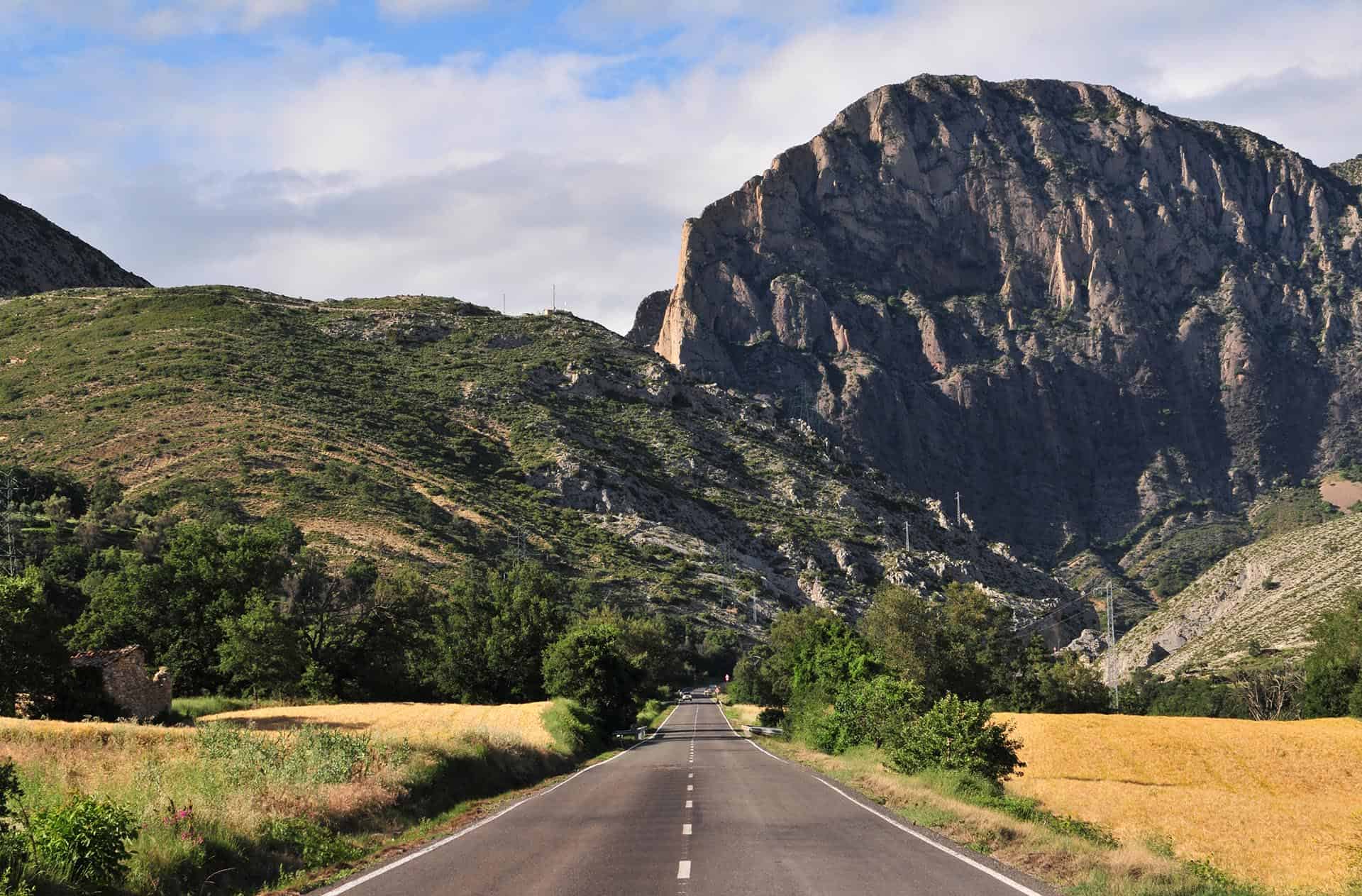
The Atlantic coast, the Picos de Europa and the Pyrenees give you a very different feel from the drier inland or the Mediterranean. Roads can move from green valleys and fishing towns to mountain climbs, gorges and high viewpoints in the same day. It is a strong choice if you want a road trip with plenty of scenery but without the heat in high summer.
The Picos de Europa are a good place to start. The national park stretches across Asturias, Cantabria and Castilla y León, bringing dramatic limestone peaks, villages and mountain roads within reach of the coast. The N-621 through La Hermida towards Potes is a useful route into the area, with the mountains rising quickly as you leave the northern coast behind.
Give yourself time here. The roads can be narrow and weather can change quickly, even in summer. A route through the Picos works best with sensible daily mileage and a base that lets you drive a loop rather than moving hotels every night.
Further east, the Pyrenees offer a bigger mountain road trip. The scenery changes as you move between Navarre, Aragón and Catalonia, with quieter valleys and small towns linking the route. Spain’s official tourism routes recommend allowing around five days to explore a collection of mountain villages across the Spanish Pyrenees, which gives you an idea of how much there is to see beyond the driving itself.
The green coast is worth building in as well. Santander, Comillas and San Vicente de la Barquera all make good stops if you want to mix mountain roads with sea air and a slower evening by the water. This part of Spain suits drivers who want a varied week without huge distances between every overnight accommodation.
The south: Andalusia, Ronda and the white villages
Andalusia is a great fit to combine hill roads, authentic food stops and towns that are worth exploring on foot.
The area around Ronda and the pueblos blancos is a good example. Roads between Cádiz and Málaga take you through the Sierra de Grazalema and Serranía de Ronda, linking villages such as Grazalema, Zahara de la Sierra, Setenil de las Bodegas and Ronda. The landscape changes from olive groves and open hills to limestone scenery and tighter village approaches.
Ronda makes a natural overnight stop, particularly if you want time to explore on foot rather than arriving, taking a photo and carrying on. From there, build a route around a few towns that genuinely appeal instead of trying to see every location in a day. The roads can be narrow around older centres, and parking is often easier on the edge of town than in the middle.
Andalusia also works well outside the peak summer months. Late spring and early autumn can make the driving days more comfortable, while July and August bring busier roads and more demand for accommodation due to warmer temperatures. Carry water, check the weather before longer drives and make parking part of the plan rather than something to solve on arrival.
For more regional inspiration, see our 7 epic roads for a family road trip in Spain.
The Mediterranean coast and the islands
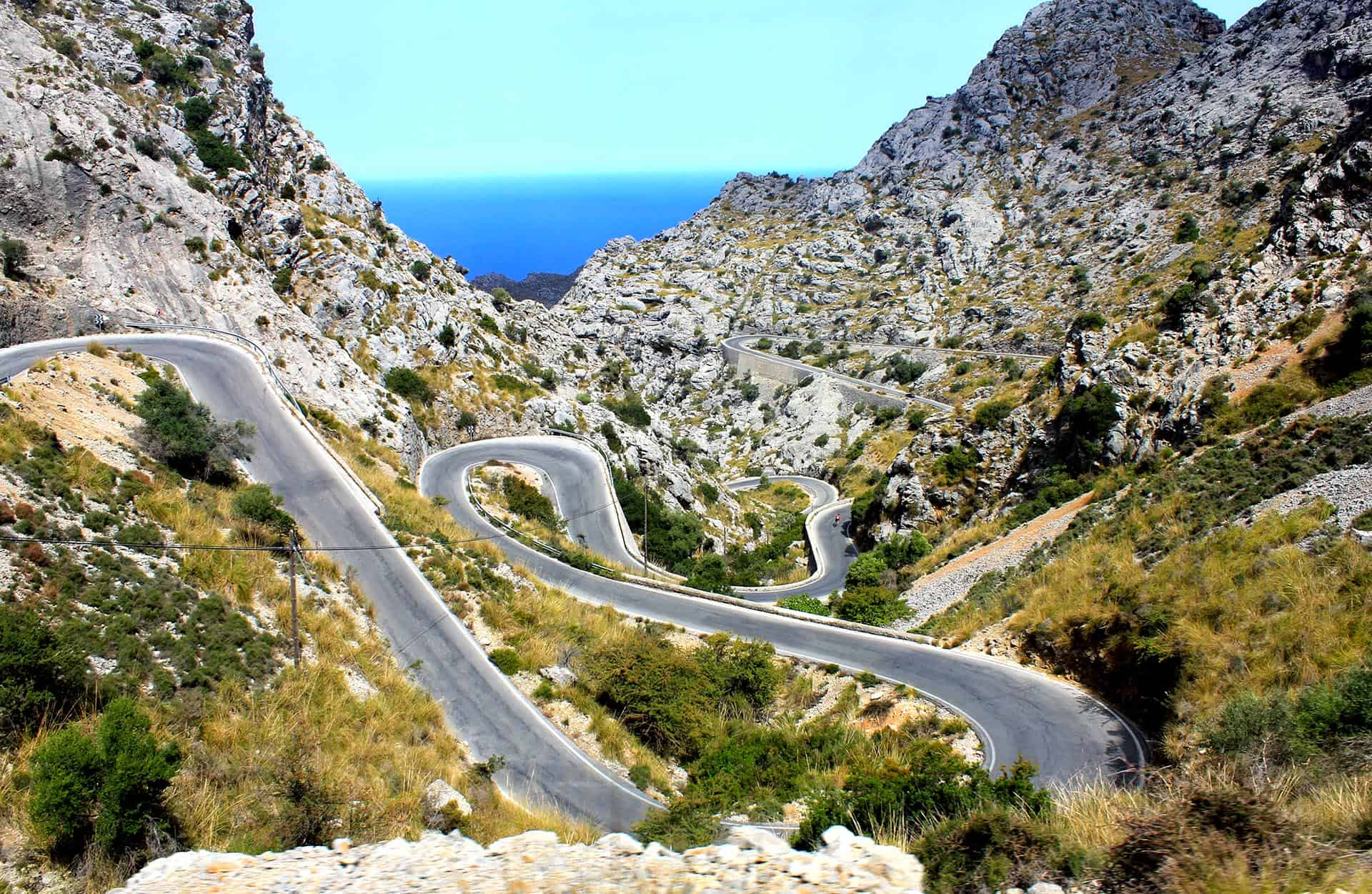
Spain’s Mediterranean coast can be as relaxed or as ambitious as you make it.
The A-7 and AP-7 help you cover distance along the eastern side of the country, but the better road-trip days usually come from using them to join up smaller coastal roads and hill towns. Spain’s official tourism route from Barcelona towards Cabo de Gata follows the main coastal corridors, with detours to explore towns, beaches and scenery along the way.
A Mediterranean route works well when you avoid trying to drive the whole coast in one go. Pick a section, choose one or two bases and use the car for loops into the countryside or along quieter parts of the shoreline. That leaves space for the tapas and beaches that make the route feel like a holiday as well as a drive.
For a more focused island trip, Mallorca offers a completely different kind of day behind the wheel. The Tramuntana mountains bring tighter roads, sea views and climbs that need patience, particularly during busy periods. Sa Calobra is the famous name, but it works best as part of a wider mountain day with enough time for the road, the stop at the bottom and the drive back out.
For the full route and driving context, see our Sa Calobra: the hidden mountain road every driver should experience. The article offers a deep-dive into one of Spain’s most breathtaking mountain roads, while this guide is here to help you decide where it fits into your wider Spain road trip.
Driving in Spain: tolls, low-emission zones and practicalities
Driving in Spain is straightforward once you have planned around the practical details.
The main motorway network is useful when you need to cover distance. The AP-8 is a key toll route from France towards San Sebastián, while the A-9 provides a main entry towards Barcelona and the Mediterranean. Take the faster roads where they make sense, then leave room for the smaller stretches that show a different side of Spain.
The biggest thing to check before driving into a major city in Spain is the low-emission zone, known as a ZBE. Madrid’s ZBE covers public urban roads across the city and restricts the most polluting vehicles, while the capital also has additional protected zones with their own access rules. Regulations and exemptions can change, so check the official city guidance before entering.
Barcelona needs particular attention if you are travelling in a UK-registered car. Foreign vehicles must be registered with the Barcelona Metropolitan Register before they can enter the metropolitan low-emission zones. The process can take up to 15 days, while eligible drivers can also apply for limited daily permits where needed.
Before you set off, check:
- Your passport, driving licence, original vehicle documents and insurance cover
- Toll roads and payment methods for your route
- ZBE rules for every city you may drive into
- Parking arrangements at your accommodation
- Local access restrictions, roadworks and seasonal weather
- Your car’s suitability for the mountain or coastal roads you plan to use
Spain’s DGT says drivers must carry original or certified driving and vehicle documents, with valid third-party insurance as a minimum. Since January 2026, Spain has also required a connected V-16 warning beacon for vehicles immobilised on the road, rather than warning triangles. Check the latest position for a UK-registered vehicle before travelling, as international road rules differ.
Getting there: the long drive versus the Santander and Bilbao ferries
Driving from the UK through France into Spain can be a brilliant part of a longer European trip. It gives you the chance to make northern France, the Pyrenees or the Atlantic coast part of the route, then continue south at your own pace.
It also takes time. If Spain is the main event and you have a shorter window, the ferries to Santander or Bilbao can be a useful shortcut. They put you straight into northern Spain, within easier reach of the green coast, Picos de Europa and the roads towards the Pyrenees.
The ferry option suits drivers who would rather spend their available days in Spain than on the autoroute through France. The crossing is longer than the Channel route, so it is worth treating it as part of the trip: book a cabin, arrive ready to drive and plan the first overnight stop with the same care as the route itself.
Brittany Ferries operates routes from Portsmouth to Santander and Bilbao, though schedules and sailing times vary. Check the current timetable before shaping the rest of the trip around a particular crossing.
Build your Spanish route with New Roads

Spain has enough variety to suit almost any kind of road trip.
Tell New Roads where you are starting, what car you drive, how long you have and whether you want mountains, coast, hill towns or a bit of everything. It builds a bespoke itinerary with driving routes, places to stop, accommodation suggestions and petrol or electric vehicle information where supported.
Before adding mountain roads in the Picos, narrow village streets in Andalusia or coastal sections in Mallorca, review the vehicle suitability report as an advisory check. You can tweak the route through the AI chat, save the plan in My Trips and export it to Google Maps or GPX where available.
Explore New Roads features, then build a Spain road trip around the roads and places you are most keen to see.
AI can make mistakes. Always check routes, parking, access, weather, tides, local restrictions, accommodation and vehicle suitability before travelling.
Frequently Asked Questions
- What are the best road trips in Spain?
The best Spain road trips depend on the sort of driving you enjoy. Northern Spain offers mountain roads and Atlantic scenery, Andalusia combines hill towns and white villages, while the Mediterranean coast and Mallorca have coastal routes with plenty of worthwhile stops.
- How many days do you need for a Spain road trip?
One week is enough to explore a single region such as northern Spain, Andalusia or the Mediterranean coast. Two weeks gives you more freedom to combine regions without a long drive every day.
- What do you need to drive in Spain?
Drivers travelling from the UK should carry a valid passport, driving licence, original vehicle documents and insurance details, alongside any required vehicle equipment. Check the latest official guidance before travelling, as road rules, safety-kit requirements and local restrictions can change.
- What are the low-emission zones in Spain?
Many Spanish cities have low-emission zones, known as ZBEs, which can restrict vehicle access based on emissions standards. Madrid applies restrictions across its urban area and has additional protected zones, while foreign vehicles may need registration or specific authorisation before entering certain restricted areas.
- Can you take a ferry from the UK to Spain for a road trip?
Yes. Ferries from Portsmouth to Santander or Bilbao can be a useful way to begin a northern Spain road trip, putting you within reach of the green coast, Picos de Europa and the Pyrenees. It is a longer crossing than the Channel route, but it can save time on the drive through France.