10-day Europe road trip from the UK
Ten days is a great amount of time for a European road trip.
It gives you room to get beyond the first motorway day, explore a few distinct regions and still have a couple of lighter days. A ten-day route can take in two or three countries, with time to settle into each region rather than simply pass through it.
This ten-day Europe road trip from the UK follows a focused loop through France, Germany and Switzerland. It starts with the Channel crossing, heads through Champagne and Alsace, crosses the Black Forest and reaches the Swiss Alps before returning through eastern France.
It is longer than a week away, but tighter than a fortnight. That makes it a strong option if you want mountain roads, forest sections, historic towns and a few proper stops without committing to a full grand tour.
What 10 days makes possible
Ten days gives you more freedom than a one-week Europe road trip, particularly once you are beyond northern France.
A seven-day route is usually best kept to France and one neighbouring country. With ten days, you can add Germany and Switzerland without filling every day with motorway mileage. You still need to keep the direction clear, though. France, Germany and Switzerland are close enough to work as one loop, while also offering very different roads and places to stop.
This route is built around three main areas:
- Champagne and Alsace for French towns, vineyards and easier driving days
- The Black Forest for forest roads, lakes and smaller German towns
- Switzerland for mountain passes, lakes and a proper Alpine section
If you have less time, see our 7 day Europe road trip from the UK. If you can stretch the trip to a fortnight, our 2 week Europe road trip from the UK gives you room to go further.
The crossing in brief
For a ten-day trip, the Channel Tunnel is often the simplest way to start, getting you into Calais quickly with more of Day 1 available for the drive towards Champagne or your first overnight stop. A ferry can also suit the route if the sailing times work better for you or you would rather take a break before driving in France.
Sort the crossing, paperwork and country-specific vehicle requirements before you leave. For more on the practical side of driving from the UK into Europe, see our best European road trips.
A focused two to three country route
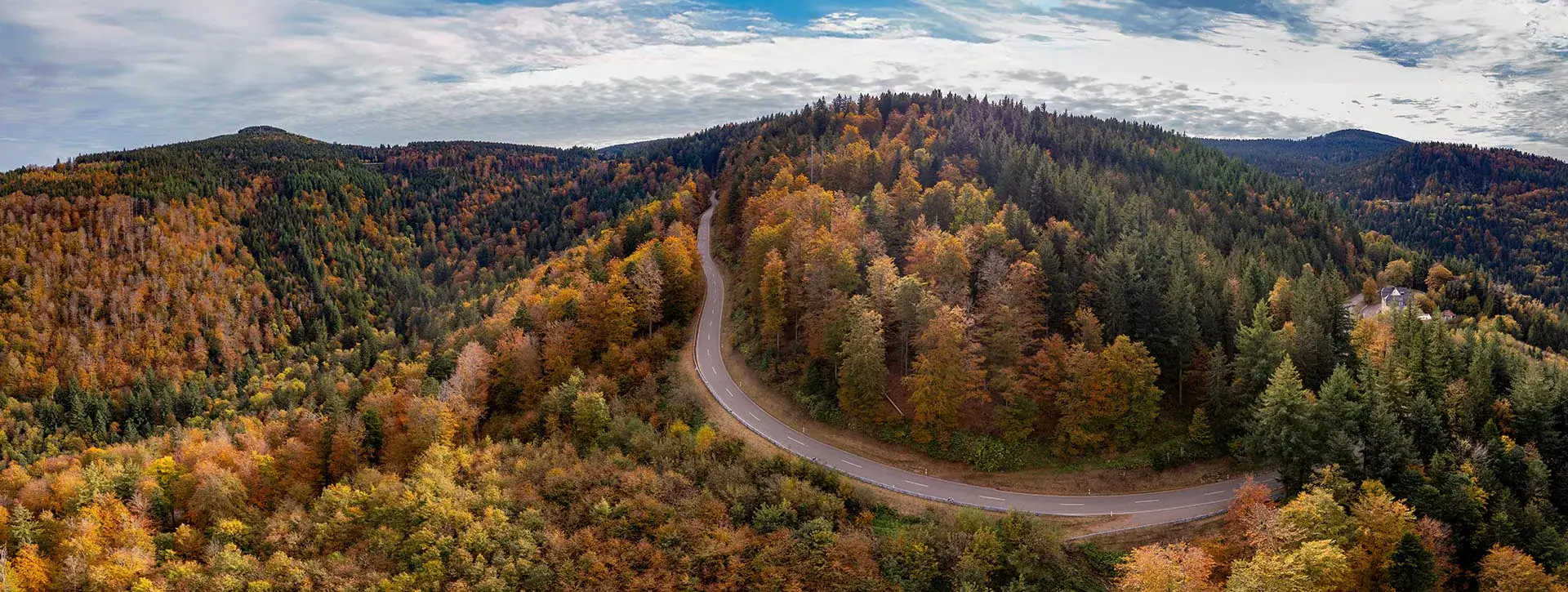
This loop starts in Calais, heads south-east through France, crosses into Germany for the Black Forest, then continues into Switzerland for a few days in the Alps. The return runs back through eastern France, giving you a different way home without adding too much distance.
France handles the longer links well, while the Black Forest and Switzerland bring the sort of roads you will want to slow down for.
A simple route outline looks like this:
- Calais to Reims
- Reims to Alsace
- Alsace to Baden-Baden and the Black Forest
- Black Forest to the Swiss Alps
- A Swiss mountain-road base day
- Switzerland to Lake Lucerne or another lakeside stop
- Switzerland to Alsace or the Vosges
- A slower day in eastern France
- Eastern France to northern France
- Calais and home
For a closer look at the French sections, see our France road trip.
Day-by-day shape and realistic daily mileage
Day 1: Calais to Reims
After the crossing, head south towards Reims or the surrounding Champagne region. Expect roughly 180 to 200 miles, depending on the route and where you choose to stay.
This is a useful first transfer day. Use the autoroute to get away from the port, then leave time for a proper dinner and an evening walk once you arrive.
Day 2: Reims to Alsace
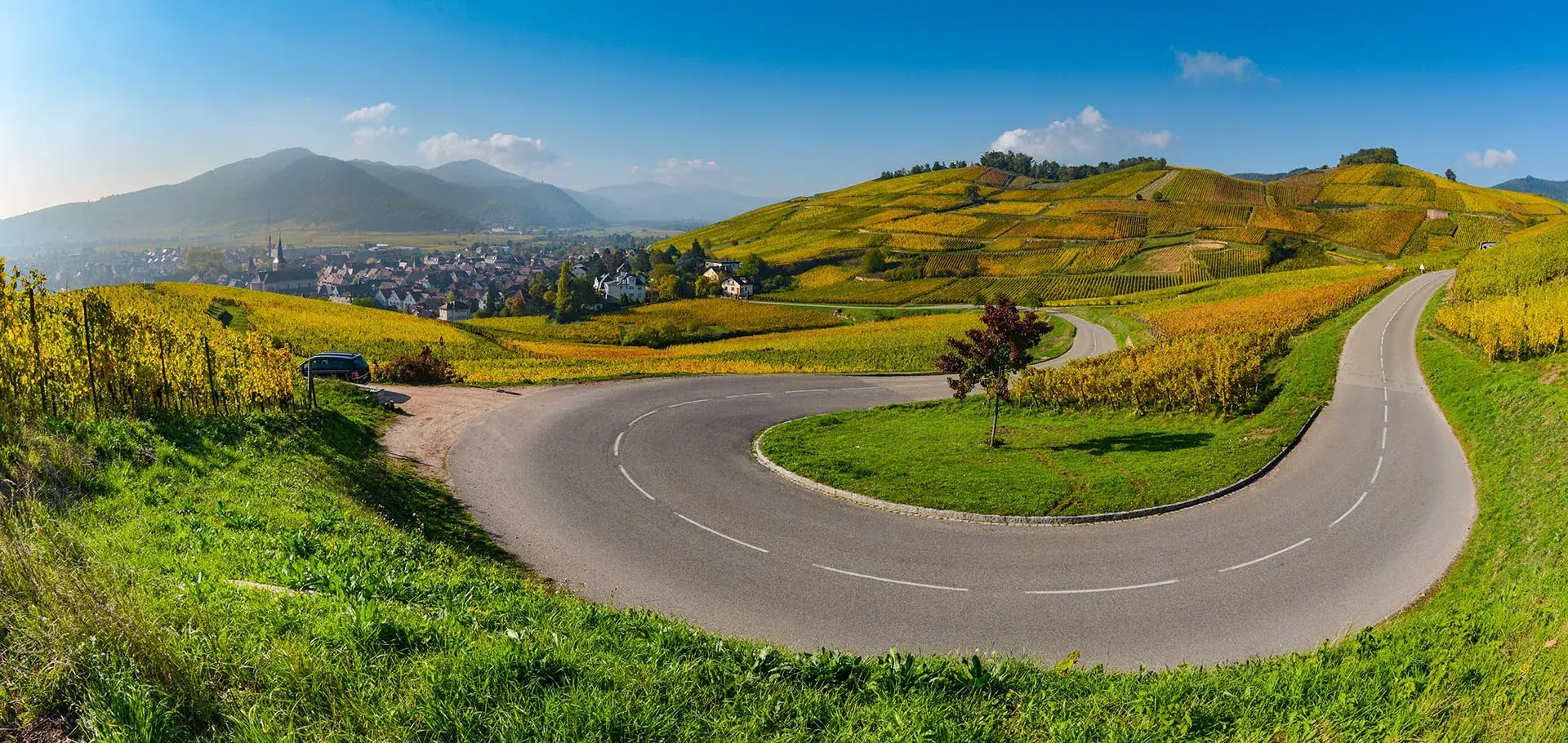
Continue east towards Alsace, with Colmar or Strasbourg both making useful bases. It is around 220 to 250 miles depending on your route, so this is another day where the main roads earn their place.
Once you reach Alsace, the scenery changes. Vineyard roads, smaller villages and the Vosges nearby make the region a good place to slow down for a night or two.
Day 3: Alsace to the Black Forest
Cross the Rhine into Germany and begin the Black Forest section. The distance is lighter, often around 100 miles or less, which gives you time to use smaller roads rather than simply covering ground.
Baden-Baden is a practical northern start point, while the B500 Black Forest High Road gives you a strong route south through forest, ridgelines and viewpoints. This is where the drive begins to feel like the reason for the trip.
Day 4: Black Forest to the Swiss Alps
Head south through the Black Forest and into Switzerland. This could be a 170 to 220-mile day depending on whether you base yourself around Andermatt, the Bernese Oberland or Lake Lucerne.
Check border requirements and the Swiss motorway vignette before setting off. Once you leave the faster roads, the climbs, lakes and valleys start to shape the day.
Day 5: A Swiss mountain-road day
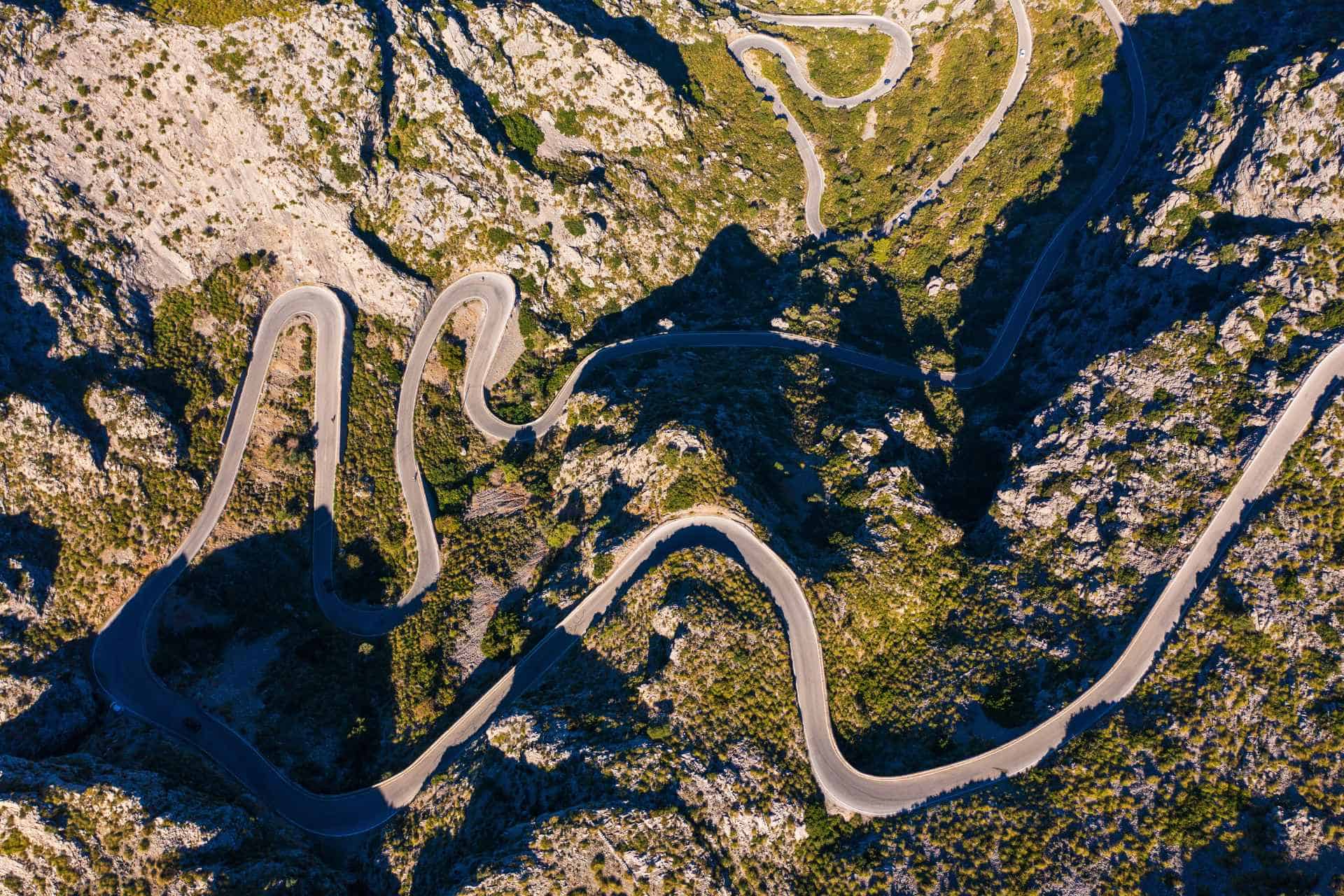
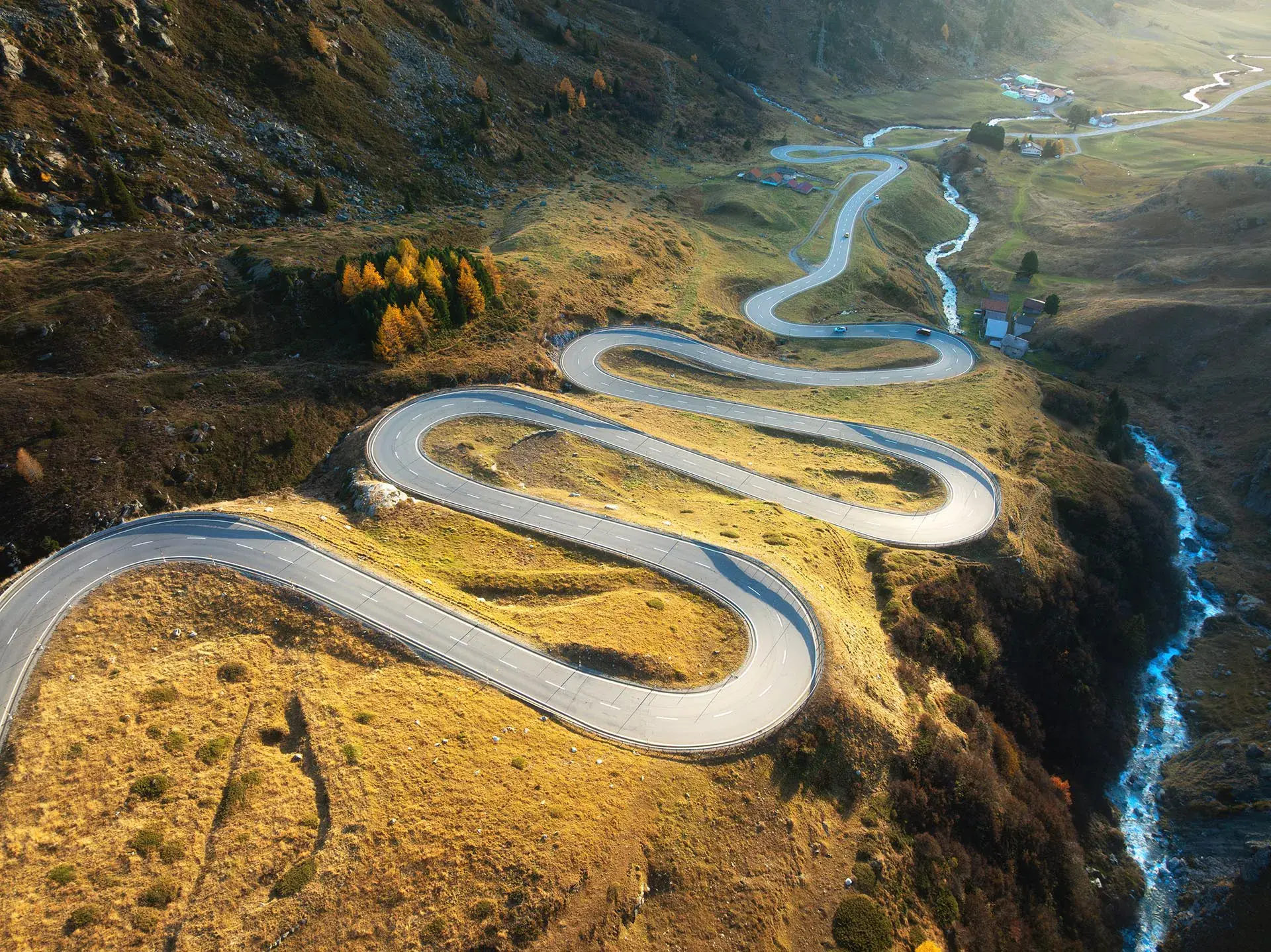
Keep Day 5 lighter and make it about the roads. Furka, Grimsel and Susten are a memorable trio when conditions allow, bringing long climbs, hairpins, reservoirs and high Alpine scenery.
This is not a day to judge by mileage. Around 100 to 150 miles can feel like a full day once you include weather, traffic, photo stops and the time needed to enjoy the passes properly. Check local pass status and conditions before you leave.
Day 6: Switzerland at a slower pace
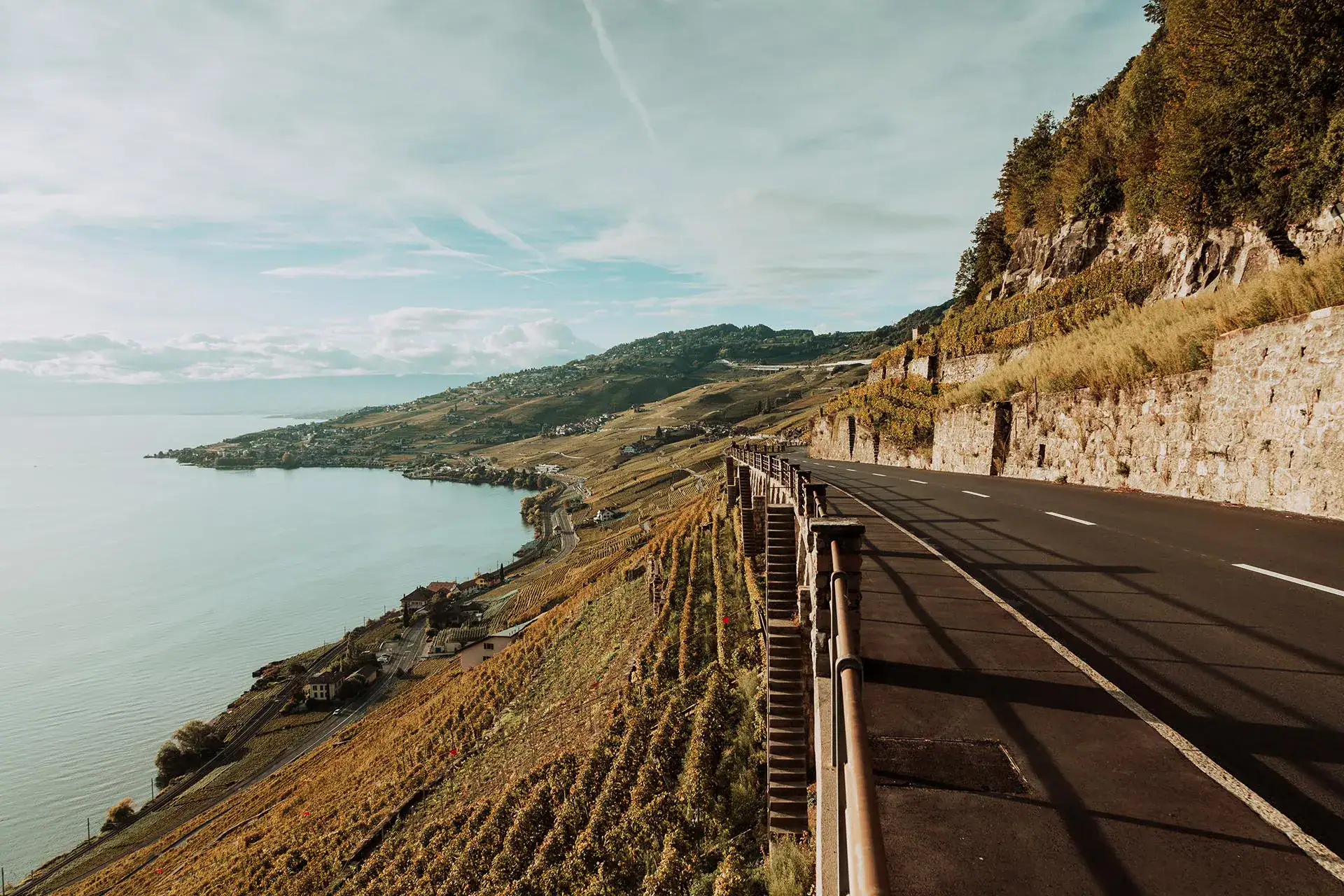
Use a second Swiss day to stay close to your base, follow a lakeside road or explore a quieter valley. This is your rest day from long-distance driving, although it can still include a few worthwhile roads.
A lighter day also gives you flexibility. If weather affected the previous day’s route, you have room to adjust rather than losing a pass or viewpoint completely.
Day 7: Switzerland to Alsace or the Vosges
Begin the return west towards France, with Alsace or the Vosges making a good overnight area. Expect around 170 to 220 miles.
This is a useful point to leave the high Alpine roads behind and settle back into a gentler mix of countryside, vineyards and smaller French towns.
Day 8: Eastern France base day
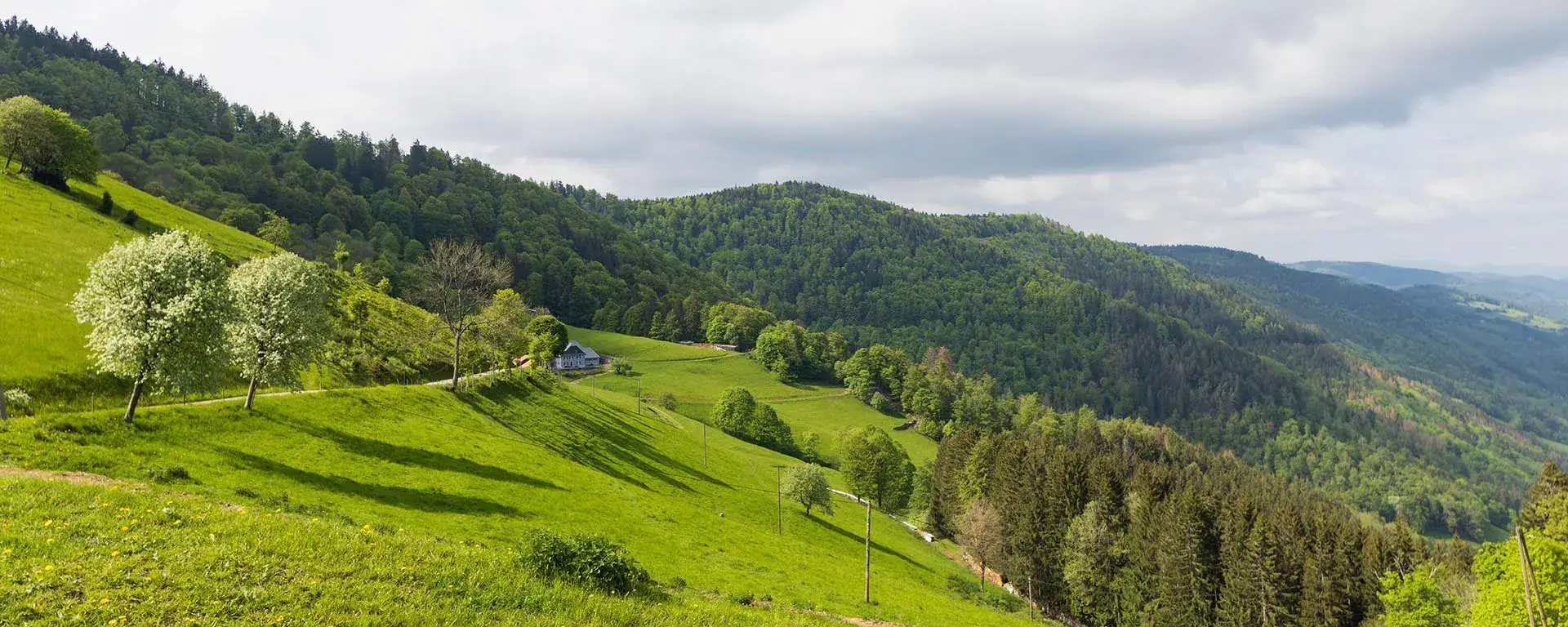
Use Day 8 to explore the roads close to your base. The Vosges or Alsace wine roads through the countryside all work well, depending on where you are staying.
A one-base approach means less time packing and more freedom to pick the road that looks suitable on the day. It also gives you a chance to enjoy a long lunch, a town stop or a walk without stressing about the next hotel check-in.
Day 9: Eastern France to northern France
Start moving north, using the main roads for the longer part of the journey. Around 220 to 280 miles is a sensible target, depending on whether you choose a final stop near Compiègne, Arras or closer to Calais.
Break the day up with a proper lunch or a smaller town near your overnight stop. This is still part of the trip, not simply the run back to the Channel.
Day 10: Northern France to Calais and home
Keep the final day simple. Leave enough time for fuel or electric vehicle charging, a final stop and the crossing without planning around an exact arrival time.
A coffee stop or a town worth exploring can make the final run to Calais feel more relaxed before you head home.
Where to add a rest day
A ten-day Europe road trip benefits from at least one proper base day.
Switzerland is a natural place to take it, with mountain roads, lakes and valleys that deserve enough time. A second night in the same place also makes it easier to adjust around changeable weather.
If Alpine passes are less important to you, take the slower day in Alsace or the Black Forest instead. Both suit a relaxed loop and a little time out of the car.
Costs for 10 days on the road
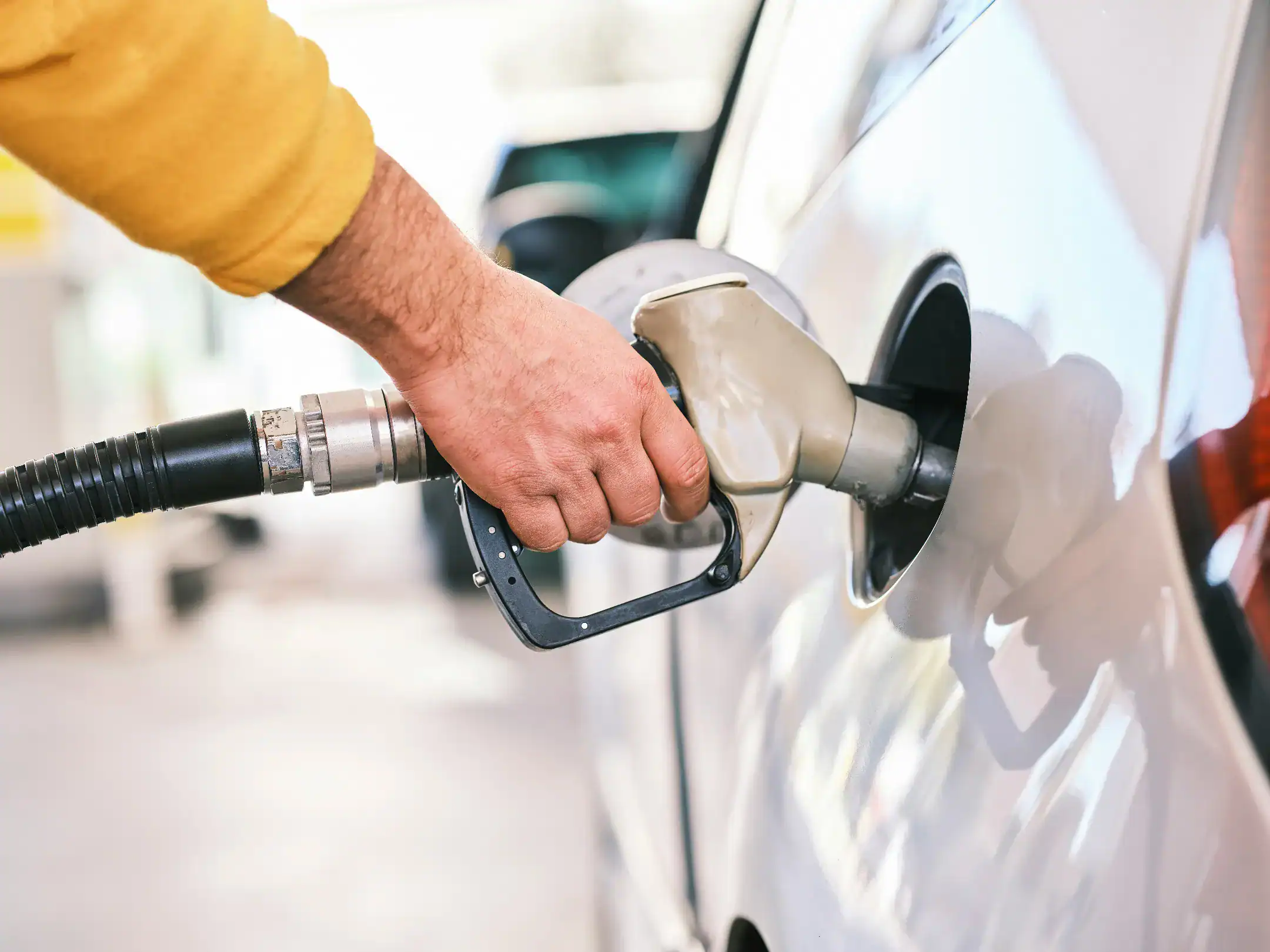
The cost of a ten-day Europe road trip from the UK depends on the car, season and type of stay you choose.
Your main costs are likely to include:
- Ferry or Channel Tunnel crossing
- Fuel or electric vehicle charging
- Accommodation for nine nights
- French tolls and the Swiss motorway vignette
- Parking, food and activities
- Travel insurance, breakdown cover and country-specific equipment
France is likely to account for most of the toll costs if you use the autoroute for the longer links. Switzerland requires an annual motorway vignette, even if you are only using the country’s motorways for part of the trip.
Book key stays early if your route depends on a particular mountain base or town-centre hotel. Keep some room in the budget for parking, a lunch you want to take your time over or an extra night somewhere that feels worth staying again.
Build your 10-day European route with New Roads
A ten-day Europe road trip works best when the route fits the car, the time you have and the driving you enjoy doing.
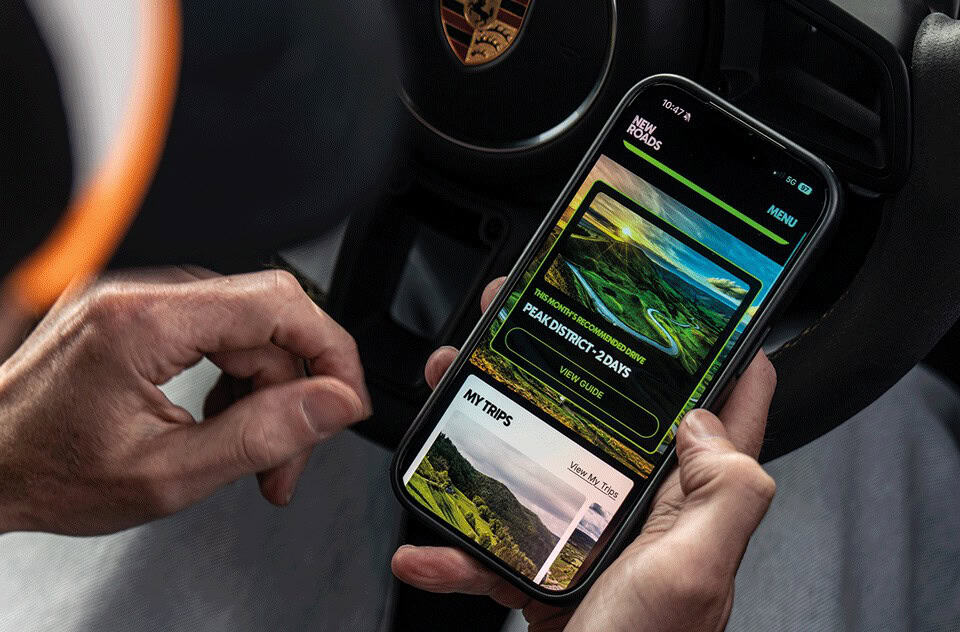
Tell New Roads where you are starting, which regions you want to include and how you want the days to feel. It can help build a bespoke itinerary with roads, places to stop, suggested accommodation and external booking links where available, plus petrol or electric vehicle information where supported. You book accommodation, crossings and other travel services directly with the relevant provider.
Before adding high passes or smaller forest roads, review the vehicle suitability report as an advisory check. You can adjust the route in the AI chat, save it in My Trips and export it to Google Maps or GPX where available.
Explore the features of New Roads, then build a ten-day Europe road trip around the roads, regions and overnight stays you want to make time for.
AI can make mistakes. Always check routes, parking, access, weather, tides, local restrictions, accommodation and vehicle suitability before travelling.
Frequently Asked Questions
- What is the best 10-day Europe road trip from the UK?
A strong 10-day Europe road trip from the UK combines France, Germany and Switzerland. It gives you time for Champagne or Alsace, the Black Forest and a few days in the Swiss Alps without turning every day into a long-distance drive.
- How many countries can you visit in 10 days?
Two or three countries is a sensible amount for a ten-day road trip from the UK. France, Germany and Switzerland work well because the borders are close together, while each region gives the trip different character.
- How far can you drive in Europe in 10 days?
You could cover well over 2,000 miles in ten days, but the better approach is to mix longer transfer days with lighter driving days. Mountain roads, towns and scenic routes often take longer than a motorway route.
- Is 10 days enough for the Alps?
Ten days is enough for a focused Alps section as part of a wider route through France, Germany and Switzerland. Give yourself at least two nights in one mountain base so you can enjoy the roads without moving accommodation every day.
- Where should you cross for a 10-day Europe road trip?
The Channel Tunnel is a practical option if you want to reach Calais quickly and begin driving south or east on Day 1. A ferry can suit the trip if its sailing times or arrival port work better for your first overnight stop.